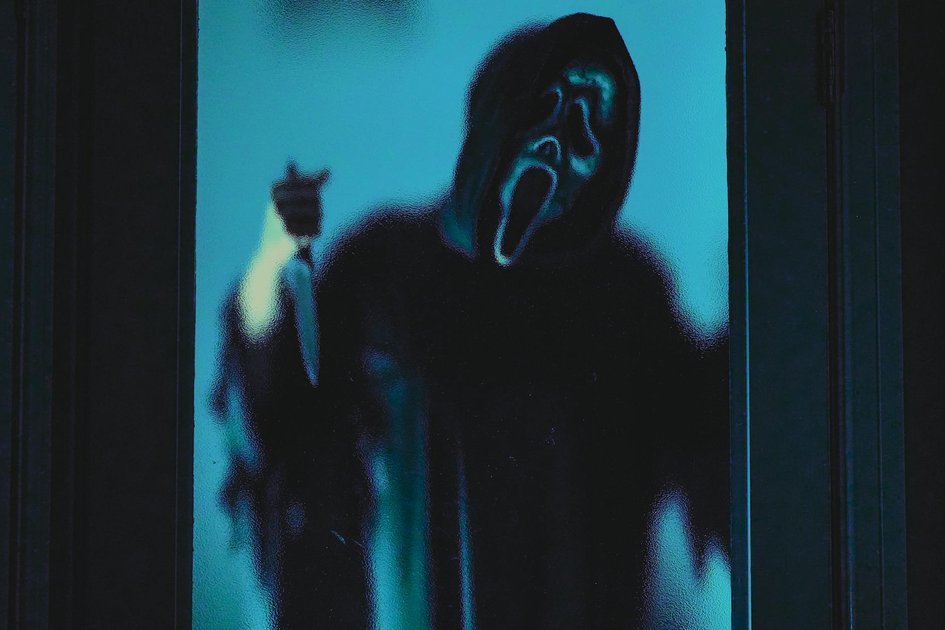
The horror genre has captivated audiences for over a century, offering a unique blend of fear, suspense, and psychological intrigue that no other film category can replicate. From the silent-era experiments that first discovered cinema’s power to terrify, through the Gothic classics of Universal and Hammer, to the psychological terrors and supernatural nightmares of modern filmmaking, horror has evolved into one of the most diverse and enduring categories in film history. What makes horror truly special is its ability to confront our deepest anxieties through the safe distance of the screen, allowing us to experience visceral fear while processing real-world concerns about identity, mortality, societal breakdown, and the unknown.
This comprehensive guide highlights the best horror movies of all time, showcasing films that have defined the genre and left an indelible mark on cinematic history. These aren’t simply movies that made audiences jump or scream, though many certainly did that effectively. Instead, these are films that pushed boundaries, introduced innovative techniques, explored complex themes, and created lasting cultural conversations about what scares us and why. From chilling ghost stories that rely on atmosphere and suggestion to unsettling psychological thrillers that burrow into the mind, each entry on this list has earned its place through artistic achievement, cultural impact, and the enduring power to disturb viewers decades after their release.
The selections span different eras, budgets, and national cinemas, proving that great horror can emerge from anywhere when filmmakers understand how to manipulate audience emotions and expectations. Whether you’re a longtime horror enthusiast looking to revisit classics or a newcomer curious about where to start exploring the genre’s rich history, this guide offers detailed insights into why each film matters and what makes it essential viewing for anyone serious about understanding cinema’s darker corners.
Timeless Psychological Horrors That Mess With Your Mind
Psychological horror operates in the shadowy territory between reality and delusion, using character psychology and subjective perception to create unease that lingers long after the credits roll. These films understand that the human mind itself can be the most frightening location of all, turning familiar spaces into nightmares through the lens of fractured consciousness.
Repulsion (1965)
Roman Polanski’s second feature remains a masterclass in psychological deterioration, following Catherine Deneuve’s Carol, a foreign-born manicurist living alone in London, as she descends into madness within the confines of her increasingly nightmarish apartment. What sets this film apart from typical horror fare is its decision to make the vulnerable woman not a victim but the subject of uneasy identification, forcing audiences to experience her paranoid delusions firsthand. The apartment itself becomes a character, with walls that crack, ooze, and eventually reach out to grope her in sequences that blur the line between hallucination and reality.
Polanski builds tension methodically, withholding the first major jolt until nearly an hour into the runtime, when Carol closes a closet door and glimpses a man’s shadow in its mirror. Later sequences depict imagined assaults in her bed, raising questions about which violent acts actually occur and which exist only in her deteriorating mind. The film’s ambiguous approach to Carol’s murders and visions created a template that influenced countless psychological horrors, from recent entries like The Babadook to Darren Aronofsky’s work. Repulsion demonstrates that the scariest place to be trapped is often inside your own consciousness, where perception cannot be trusted and escape becomes impossible.
This film is essential viewing for audiences who appreciate horror that operates through atmosphere and psychological realism rather than explicit violence, and for anyone interested in how cinema can externalize internal mental states through production design and cinematography.
The Haunting (1963)
Robert Wise’s adaptation of Shirley Jackson’s novel The Haunting of Hill House stands as one of the most sophisticated ghost stories ever committed to film, eschewing cheap scares in favor of creaky doors, sinister whispers, and masterful manipulation of shadow and light. The premise brings together a group of strangers participating in a paranormal experiment at a diabolical New England estate, but the film’s true subject is the mentally frail Eleanor, played with unforgettable nervousness by Julie Harris, whose psychological vulnerability makes her especially susceptible to the house’s influence.
What distinguishes The Haunting from countless imitators, including its own dreadful 1999 remake, is its sophisticatedly restrained approach to horror. Wise never shows ghosts directly, instead using sound design, camera angles, and the actors’ reactions to suggest supernatural presence. The film prickles the skin through suggestion, letting audiences imagine terrors far worse than special effects could render. The relationship between Eleanor and Theo (Claire Bloom) carries a sensual undercurrent that was remarkably progressive for 1963, featuring one of early horror cinema’s first openly queer characters.
The Haunting works best for viewers who appreciate slow-burn tension and character-driven narratives, those willing to invest in atmosphere and psychological complexity rather than demanding immediate gratification. Its influence can be seen throughout modern horror, particularly in films that understand silence and darkness often frighten more effectively than noise and visibility.
Black Swan (2010)
Darren Aronofsky’s modern psychological horror masterpiece follows Nina (Natalie Portman in an Oscar-winning performance), a ballerina whose obsessive pursuit of perfection in a production of Swan Lake triggers a complete mental breakdown. The film explores duality and identity through the contrast between the innocent White Swan and seductive Black Swan roles, with Nina’s desperate attempt to embody both aspects causing her fragile psyche to fracture. Aronofsky shoots the ballet world as a realm of punishing discipline and barely suppressed hysteria, where artistic excellence demands psychological sacrifice.
The horror in Black Swan emerges from watching Nina lose her grip on reality as hallucinations and paranoid delusions intensify. Mirrors become portals to darker selves, her body transforms in disturbing ways, and the line between rehearsal and performance, reality and nightmare, dissolves completely. The film’s visual style mirrors Nina’s deteriorating state, with handheld camerawork and disorienting editing that puts audiences inside her confused perspective. Supporting performances from Mila Kunis as Nina’s rival and Barbara Hershey as her controlling mother add layers of psychological complexity to what could have been a straightforward descent-into-madness narrative.
Black Swan represents psychological horror at its most visceral and character-driven, appealing especially to viewers who appreciate films that blur genre boundaries between horror, drama, and psychological thriller. Its exploration of perfectionism, artistic obsession, and identity resonates particularly with audiences interested in the psychological costs of excellence and the thin line between dedication and self-destruction.
Supernatural Thrillers That Redefine Fear
Supernatural horror introduces forces beyond rational explanation, confronting characters and audiences with the terrifying possibility that reality operates according to rules we cannot understand or control. These films tap into primal fears about the unknown and unknowable.
Suspiria (1977)
Dario Argento’s garishly overripe masterpiece remains one of the most visually stunning horror films ever made, combining vibrant Technicolor cinematography with a haunting score by progressive rock band Goblin. The plot follows Jessica Harper as an American ballet student transferring to a German dance academy that serves as a front for a coven of witches, but narrative coherence takes a backseat to pure visual and auditory assault. Argento’s sets dazzle with their over-the-top Satan-gone-Liberace aesthetic, featuring impossible color combinations and expressionistic lighting that creates a fairy-tale nightmare atmosphere.
What makes Suspiria a cult classic is its commitment to style over substance, creating a giallo film gone psychedelic where pleasures exist entirely on the surface. The 14-note evil-music-box theme by Goblin can lodge in viewers’ minds for decades, while Argento’s use of primary colors and elaborate murder set-pieces pushed the boundaries of what horror could look and sound like. The film’s matriarchal premise, with its focus on female institutions and power structures, was decades ahead of its time and has gained new appreciation in contemporary discussions of horror and gender.
Suspiria appeals primarily to viewers who value atmosphere and artistic vision over traditional narrative coherence, fans of Italian horror’s particular aesthetic excesses, and anyone interested in how color, music, and production design can create overwhelming sensory experiences. Luca Guadagnino’s 2018 remake took a completely different approach, making Argento’s original all the more singular.
The Devil’s Backbone (2001)
Guillermo del Toro’s dark supernatural fable set at an orphanage during the final days of the Spanish Civil War demonstrates the director’s trademark ability to use fantasy as a lens for exploring harsh historical realities. The story follows a young boy who encounters a ghost after arriving at the remote institution, but the haunting points toward dark secrets and unfinished business from the orphanage’s violent past. A large, undetonated bomb that has half-penetrated the courtyard ground serves as a perfect visual metaphor for the lurking danger and suspended trauma that permeates the entire setting.
Del Toro directed the film during a period of personal turbulence, channeling that energy into a story that uses a child’s limited perspective to process the horrors of war and political violence. The approach echoes films like Come and See in showing traumatic events through young eyes that cannot fully comprehend what they’re witnessing. The ghost itself is beautifully realized, neither purely malevolent nor entirely sympathetic, representing the lingering pain of injustice rather than simple supernatural threat.
The Devil’s Backbone works as both a ghost story and an allegory for how violence and secrets poison communities across generations. The film elevated del Toro’s reputation as a filmmaker capable of balancing genre pleasures with serious thematic weight, paving the way for later works like Pan’s Labyrinth. It appeals especially to viewers who appreciate horror with historical context and emotional depth, those interested in how genre cinema can process political trauma, and fans of ghost stories that value melancholy atmosphere over jump scares.
The Conjuring (2013)
James Wan’s film revitalized the haunted house subgenre by grounding supernatural terror in the supposedly true case files of paranormal investigators Ed and Lorraine Warren. The story follows the Warrens (Patrick Wilson and Vera Farmiga) as they help the Perron family deal with a malevolent presence in their Rhode Island farmhouse, but what distinguishes The Conjuring from countless similar films is Wan’s impeccable craftsmanship and the genuine warmth between characters. The Warrens and Perrons feel like real families worth caring about, which makes the supernatural threats genuinely frightening rather than just another special-effects showcase.
Wan demonstrates masterful control of horror filmmaking techniques, using negative space, strategic camera movements, and expertly timed scares to create sustained tension. The film balances effective jump scares with creeping dread, never relying too heavily on either approach. Production design creates a convincingly period 1970s setting that enhances the film’s old-fashioned approach to writing, while avoiding the visual irony that often undermines period horror films. The possessed doll Annabelle, featured in an opening sequence, proved popular enough to spawn its own franchise.
The Conjuring succeeded both commercially and critically, launching a massive shared universe of films and proving that traditional haunted house stories could still frighten modern audiences when executed with skill and sincerity. Much like some of the most celebrated action movies that balance spectacle with character development, this film understands that technical excellence means little without emotional investment. It’s ideal viewing for fans of supernatural horror who appreciate craftsmanship and atmosphere, those who enjoy ghost stories with strong ensemble casts, and anyone looking for genuinely scary mainstream horror.
Cult Classics That Shaped Horror Cinema
Some horror films achieve their greatest impact not through immediate commercial success but through devoted fan communities and lasting influence on subsequent filmmakers. These cult classics pushed boundaries and introduced innovations that changed the genre permanently.
Invasion of the Body Snatchers (1978)
Philip Kaufman’s remake of the 1956 science-fiction horror classic updates the original’s premise while completely flipping its metaphorical meaning. Set in late-1970s San Francisco rather than small-town America, the film follows Donald Sutherland and Brooke Adams as they discover alien seed pods replacing humans with emotionless duplicates. Where the original functioned as Cold War paranoia about communist conformity, Kaufman’s version critiques the self-absorbed culture of post-counterculture California, suggesting that the greatest threat comes not from external invasion but from internal emptiness.
The film builds tension relentlessly through Kaufman’s lushly crafted direction, creating genuine dread as characters realize that anyone around them might have been replaced. Special effects remain genuinely unsettling, particularly an infamous sequence featuring a dog with a human face. The supporting cast, including Leonard Nimoy and Jeff Goldblum, delivers vibrant performances that make the gradual replacement of humanity with pod-person facsimiles truly horrifying. According to Variety’s comprehensive ranking of horror cinema, the film features one of the most chilling finales in genre history.
The ending, which shows Sutherland’s character transformed into a pod person who points and shrieks accusatorily at the last remaining human, remains one of cinema’s most pessimistic and effective conclusions. This remake demonstrates how updating a premise to reflect contemporary anxieties can make a story even more resonant than the original. It appeals particularly to viewers who appreciate horror with satirical bite, fans of 1970s paranoid thrillers, and anyone interested in how science fiction and horror intersect.
Dead Alive (Braindead) (1991)
Before directing The Lord of the Rings trilogy, Peter Jackson created gleefully excessive splatter comedies from his remote New Zealand base, with Dead Alive (known as Braindead outside North America) representing the apex of his early gore-soaked vision. The film follows Timothy Balme as a stuttering, dominated young man whose mother gets bitten by a cursed Sumatran rat-monkey, triggering a zombie outbreak that culminates in one of cinema’s most outrageous gore sequences. Jackson approaches the material with swollen tongue firmly in peeling cheek, pushing special effects and practical makeup work to cartoonish extremes.
What makes Dead Alive exceptional is Jackson’s ability to balance genuine creativity with shameless excess. The film builds from darkly comic beginnings through progressively more outrageous set-pieces, climaxing in an extended finale where the protagonist heroically wields a lawn mower against hordes of zombies, covering every surface with intestines and blood. The stop-motion rat-monkey that sets events in motion and various zombie mutations showcase Jackson’s inventive approach to creature effects. The film wears its influences proudly, drawing from Sam Raimi’s Evil Dead films while adding distinctly Kiwi sensibilities.
Dead Alive earned cult status through midnight screenings and home video, with horror fans appreciating Jackson’s technical skills and willingness to push boundaries of taste and gore. The film’s reputation has grown as Jackson achieved mainstream success, with viewers curious to see his early work. It’s perfect for fans of splatter comedy who appreciate practical effects work, those who enjoy horror-comedies that favor excess over restraint, and anyone interested in tracing Jackson’s evolution as a filmmaker.
The Texas Chain Saw Massacre (1974)
Tobe Hooper’s brutal landmark film introduced audiences to visceral terror and gritty realism that changed horror cinema permanently. Shot on a tiny budget in the oppressive Texas heat, the film follows a group of young people who encounter a family of cannibals, including the iconic Leatherface with his chainsaw and mask of human skin. What shocked audiences in 1974 and continues to disturb viewers today is the film’s documentary-like aesthetic and relentless intensity, creating the impression of witnessing something forbidden and genuinely dangerous.
Despite its reputation for extreme violence, The Texas Chain Saw Massacre contains relatively little onscreen gore, instead using sound design, frantic editing, and sustained hysteria to create an overwhelming assault on the senses. The final third of the film, featuring an extended dinner scene and chase sequence, maintains such sustained intensity that it becomes almost physically exhausting to watch. Marilyn Burns delivers one of horror’s most committed performances as Sally, screaming herself hoarse as she fights for survival. The film’s low-budget origins forced creative solutions that became aesthetic strengths, with the grainy cinematography and rough sound mixing enhancing the nightmarish quality.
The Texas Chain Saw Massacre influenced countless subsequent horror films, establishing templates for both slasher films and rural horror that persist today. Similar to how new science-fiction films redefined what audiences expected from that genre, Hooper’s film permanently altered expectations for horror’s intensity and realism. The film has been analyzed as commentary on everything from Vietnam War trauma to industrialized meat production, demonstrating how effective genre filmmaking can support complex interpretation. It’s essential viewing for horror historians, fans of influential independent cinema, and anyone wanting to understand how low-budget innovation can create lasting impact.
Gothic Masterpieces and Supernatural Legends
The Gothic tradition in horror cinema emphasizes atmospheric dread, supernatural menace, and the weight of history. These films demonstrate how shadows, suggestion, and visual style can create terror as effectively as any explicit violence.
Horror of Dracula (1958)
Hammer Film Productions’ second Gothic horror following The Curse of Frankenstein established Christopher Lee as the definitive screen Dracula, his performance emphasizing the Count’s bestial nature and sexual menace. Director Terence Fisher and screenwriter Jimmy Sangster took substantial liberties with Bram Stoker’s novel, streamlining the plot and eliminating some of Dracula’s more fantastical powers to focus on visceral horror. The result emphasizes Gothic atmosphere and shocking violence, with Lee’s blood-streaked fangs and engorged eyes creating an abominable image that defined vampire cinema for decades.
Peter Cushing delivers an equally iconic performance as Dr. Van Helsing, playing the vampire hunter as a driven, no-nonsense scientist capable of both intellectual rigor and physical action. The dynamic between Cushing’s rational determination and Lee’s feral evil creates compelling conflict throughout. Jack Asher’s lush, colorful cinematography was major for horror, using Technicolor to create heaving, lurid visuals rather than the Gothic blacks and grays that dominated earlier vampire films. The production values, while modest by Hollywood standards, were lavish for Hammer, creating richly detailed period settings.
Horror of Dracula succeeded commercially and critically, launching a series of Hammer Dracula films and establishing the studio’s house style. Lee’s portrayal influenced virtually every subsequent vampire depiction, even those that deliberately departed from his interpretation. The film appeals to fans of classic Gothic horror, viewers who appreciate Hammer’s particular aesthetic approach, and anyone interested in how British horror cinema rivaled and sometimes surpassed Hollywood productions in the 1950s and 1960s.
Cat People (1942)
Producer Val Lewton’s first horror production for RKO Pictures established the template for sophisticated, low-budget horror that relies on suggestion rather than explicit effects. The film follows Oliver Reed (Kent Smith), a New York bachelor who falls for Irena Dubrovna (Simone Simon), a Serbian woman who believes she transforms into a leopard when sexually aroused. Director Jacques Tourneur shoots the film in shadowy film-noir style, using lighting and sound design to imply the transformation rather than showing it directly, trusting audience imagination to create more frightening images than special effects could achieve.
The film’s famous swimming pool sequence demonstrates Lewton and Tourneur’s mastery of atmospheric horror, using echoing sounds, rippling water reflections, and strategic shadows to suggest a predatory presence stalking Jane Randolph’s character. Throughout the film, cats react fearfully to Irena’s presence, providing hints of her supernatural nature without requiring expensive transformation effects. The script introduces arcane Serbian superstitions about cat people while leaving open the possibility that Irena’s condition might be psychological rather than supernatural, adding ambiguity that enriches repeated viewings.
Cat People proved that intelligent, artistically ambitious horror could succeed commercially, launching Lewton’s legendary series of RKO horror films and influencing generations of filmmakers who learned that restraint and suggestion often frighten more effectively than explicit display. The film works especially well for viewers who appreciate classic Hollywood craftsmanship, fans of psychological ambiguity in horror, and those interested in how creative limitations can inspire artistic innovation. Paul Schrader’s 1982 remake took a completely different approach, making the original’s subtle restraint all the more remarkable.
The Vanishing (Spoorloos) (1988)
George Sluizer’s Dutch-French thriller demonstrates that horror can emerge from methodical inevitability as effectively as from sudden shocks. The nonlinear narrative opens with a woman (Johanna ter Steege) disappearing at a highway rest stop, then jumps forward to show her boyfriend Rex (Gene Bervoets) still tormented by her unexplained absence years later. Sluizer reveals the culprit’s identity relatively early, showing Bernard-Pierre Donnadieu’s chillingly ordinary family man who committed the abduction, then builds tension around whether Rex will discover what happened.
The film’s true horror emerges when the kidnapper contacts Rex and offers to show him exactly what happened to his girlfriend, with Rex inexorably walking toward the same fate despite knowing the danger. Sluizer films the final revelation with matter-of-fact precision that makes it more disturbing than any stylized nightmare sequence, showing the exact mechanics of the woman’s abduction and eventual fate. The ending is genuinely devastating, offering no comfort or escape, just the terrible knowledge that both characters share an identical doom.
The Vanishing functions as both a thriller and a meditation on obsession, demonstrating how the need for closure can become self-destructive. The film’s sociopathic antagonist remains one of horror’s most unsettling villains precisely because of his suburban normalcy and calm rationality. Sluizer’s own English-language remake for Hollywood in 1993 diluted the story with a conventional ending, making the original’s uncompromising bleakness even more noteworthy. This film suits viewers who appreciate psychological horror over supernatural threats, fans of European thriller cinema, and anyone interested in how withholding traditional horror elements can create profound unease.
Extreme Horror and Transgressive Cinema
Some horror films push boundaries of taste and comfort to extremes, testing audience tolerance while exploring taboo subjects. These films aren’t for everyone, but they represent important moments in horror’s ongoing exploration of what can be shown and why.
Blood Feast (1963)
Herschell Gordon Lewis essentially invented the splatter film with this crude, no-budget thriller about an Egyptian caterer named Fuad Ramses who needs bodies for religious sacrifices. Lewis made films for drive-in theaters and understood that extreme content could compensate for minimal production values and nonexistent acting. Blood Feast cobbles together cheap gore effects using mannequin parts and ketchup-red blood, accompanied by a soap-opera organ score, yet despite its technical limitations, the film tapped into something genuinely new in cinema.
What makes Blood Feast historically significant is its demonstration that audiences had appetite for explicit violence beyond what mainstream studios would provide. Lewis approached filmmaking with the shrewdness of an exploitation showman, understanding that transgression itself could be marketable. The film’s murders, however technically unconvincing, showed things that hadn’t been depicted in American cinema before, breaking barriers that subsequent filmmakers would continue pushing. The solemnly preposterous plot and amateur performances actually enhance the film’s disreputable charm.
Blood Feast launched Lewis’s career as the ‘Godfather of Gore’ and proved that extremely low-budget horror could find profitable audiences. The film influenced the entire splatter subgenre and opened doors for increasingly explicit violence in horror cinema. While subsequent films far surpassed its technical achievements, Blood Feast retains historical importance as the moment when graphic gore became a viable commercial strategy. It appeals primarily to horror historians interested in the genre’s evolution, fans of exploitation cinema’s shameless excesses, and viewers curious about where modern splatter films originated.
Event Horizon (1997)
Paul W.S. Anderson’s haunted-house-in-space thriller delivers relentless jump scares and escalating horror across its tight 97-minute runtime. The premise follows a rescue team sent to retrieve the Event Horizon, an experimental spacecraft that disappeared years earlier and has now reappeared near Neptune. The crew discovers that the ship’s experimental gravity drive actually opened a gateway to a dimension that the characters describe as hell itself, with the vessel now possessed by malevolent forces.
Anderson draws liberally from influences including 2001: A Space Odyssey, Hellraiser, and Solaris, creating a wickedly designed series of corridors and chambers that grow increasingly hostile as Sam Neill’s once-rational scientist character succumbs to the ship’s influence. The film delivers genuinely disturbing imagery, including a traumatic video recording of the previous crew tearing themselves apart, and Neill’s transformation into a lacerated, eye-gouged demon figure. The production design creates memorable Gothic spaces within the science-fiction setting, with the gravity drive itself resembling a massive mechanical cathedral.
Event Horizon initially received mixed reviews but has gained substantial cult following, with viewers appreciating Anderson’s commitment to delivering visceral scares and his fusion of science-fiction and horror elements. The film shares similarities with other science-fiction films that blend genres to create unique viewing experiences. Reports suggest substantial additional gore footage was cut from the theatrical release and subsequently lost, adding to the film’s mystique. It works well for fans of science-fiction horror hybrids, viewers who appreciate stylish production design and relentless pacing, and those who enjoyed films like Alien that bring horror sensibilities to space settings.
Frequently Asked Questions
What is the best horror movie of all time?
Determining a single best horror movie proves nearly impossible because the genre encompasses such diverse approaches and subgenres, from psychological terrors to supernatural thrillers to visceral splatter films. However, films like The Texas Chain Saw Massacre, Repulsion, and Horror of Dracula consistently appear on critics’ and fans’ lists for their innovative techniques, lasting influence, and ability to disturb audiences across generations. The best horror film for any individual viewer depends on personal preferences regarding whether they value psychological complexity, atmospheric dread, explicit violence, or supernatural elements. Many consider Alfred Hitchcock’s Psycho the single most influential horror film, though it functions equally as a thriller, demonstrating how the genre’s boundaries remain fluid and contested.
What is the top horror movie of all time?
The top horror movies of all time typically include a mix of different eras and styles, reflecting the genre’s evolution over more than a century of cinema. Classic selections like The Haunting and Cat People demonstrated early on how suggestion and atmosphere could frighten without explicit violence, while films like Suspiria and The Devil’s Backbone showed how visual artistry and thematic depth could elevate horror beyond simple shock tactics. Modern entries like The Conjuring and Black Swan prove the genre continues evolving, finding new ways to frighten contemporary audiences while building on established traditions. Rankings vary significantly based on whether critics prioritize artistic innovation, cultural impact, or pure effectiveness at scaring viewers, but the most respected lists balance all three factors when identifying the absolute top films.
What is one of the best horror movies of all time?
Invasion of the Body Snatchers (1978) represents one of the best horror movies ever made, demonstrating how intelligent remakes can actually surpass their source material by updating themes to reflect contemporary anxieties. Philip Kaufman’s film transforms the 1956 original’s anti-communist paranoia into a critique of late-1970s self-absorption and emotional detachment, using science-fiction premises to explore genuine horror about losing one’s humanity and identity. The film balances sophisticated social commentary with genuinely frightening sequences and effective special effects, building to one of cinema’s most devastating and iconic endings. Its influence extends throughout subsequent horror cinema, particularly films exploring themes of bodily invasion, identity loss, and social conformity, making it essential viewing for anyone serious about understanding the genre’s capabilities and evolution.
Conclusion
The best horror movies of all time span wildly different approaches, budgets, and national cinemas, yet they share common qualities that make them endure beyond their initial release. These films understand that effective horror requires more than simply shocking audiences with violence or jump scares. Instead, they tap into deeper anxieties about identity, mortality, societal breakdown, and forces beyond human control or comprehension. Whether through the psychological deterioration of Repulsion, the Gothic atmosphere of Horror of Dracula, the visceral intensity of The Texas Chain Saw Massacre, or the supernatural dread of The Conjuring, each entry on this list demonstrates mastery of cinematic technique in service of creating genuine fear and unease.
What makes these films classics rather than mere period curiosities is their ability to frighten and disturb viewers decades after their creation. The best horror transcends its era’s specific concerns to address universal fears that remain relevant across generations. For viewers new to the genre, starting with highly regarded classics provides foundation for understanding how horror has evolved and what makes individual films innovative or influential. For longtime horror enthusiasts, revisiting these essential films offers opportunities to appreciate craft details and thematic complexities that might have been missed during initial viewings. Whether you prefer the restrained suggestion of films like The Haunting and Cat People or the transgressive extremes of Dead Alive and Blood Feast, the horror genre offers unmatched variety and continues producing films that push boundaries and challenge audiences. These selections represent starting points for deeper exploration of a genre that remains vital, evolving, and capable of revealing uncomfortable truths about ourselves and the world we inhabit.

Trust Post Desk
A journalist and editor at TrustPost.org covering world and national news, technology updates and human-interest stories. They check every fact, interview sources in person or online, and aim to deliver clear, accurate reporting. Their work ranges from breaking news to in-depth features and daily newsletters. Outside the newsroom, they follow emerging trends and engage with readers on social media.