Prime Minister Narendra Modi addressed exam-bound students on February 6, 2026, during the ninth edition of Pariksha Pe Charcha at his residence in New Delhi. The interactive session brought together students from across India to discuss exam stress, study techniques, and the critical role of nutrition in maintaining academic performance and overall health.
In This Article
Modi emphasized that education and skills are inseparable, comparing them to twins who cannot be separated. He stressed that students must balance their learning patterns with proper nutrition, adequate rest, and physical well-being to succeed academically and in life.
PM Modi Highlights the Importance of a Nutritional Diet for Students
During the session, Modi advised students to prioritize their dietary habits as a foundation for academic success. He explained that proper nutrition directly affects concentration, memory retention, and stamina during exam preparation periods.
The Prime Minister recommended incorporating millets and vegetables into daily meals. He pointed out that medical science recognizes sleep as dependent on nutrition, and students who eat balanced meals experience better rest quality and mental alertness.
Modi also encouraged students to spend time in morning sunlight, noting that vitamin D exposure supports immune function and mood regulation. This advice aligns with reducing dementia risk through healthy lifestyle choices that experts recommend across age groups.
He cautioned against ignoring basic health needs while preparing for examinations. Students who skip meals or rely on processed foods often experience energy crashes that impair their study sessions and test performance.
Key Takeaways from PM Modi’s Interaction with Students
Modi fielded questions from students representing diverse regions including Telangana, Punjab, Tamil Nadu, Sikkim, Manipur, and Ladakh. He addressed concerns about managing exam pressure alongside competitive test preparation.
When a student from Telangana asked about balancing technology skills with education, Modi explained that professional skills require continuous learning even at age 40. Medical advancements and technological changes demand constant updating, making lifelong learning essential.
He advised students facing conflicting study pattern recommendations from parents and teachers to trust their own methods. Modi compared this to different eating patterns within families, where each person follows their preferred approach while achieving the same goal.
On time management, the Prime Minister suggested maintaining a daily task diary. Students should write down their planned activities before sleeping, then review the next day to understand why certain tasks remained incomplete.
Modi also addressed students interested in gaming, encouraging them to create games based on Indian stories from Panchatantra or mythology. He warned against gambling-related gaming, noting government bans on such practices, while supporting gaming as a legitimate skill development path.
The Role of Teachers in Creating an Engaging Learning Environment
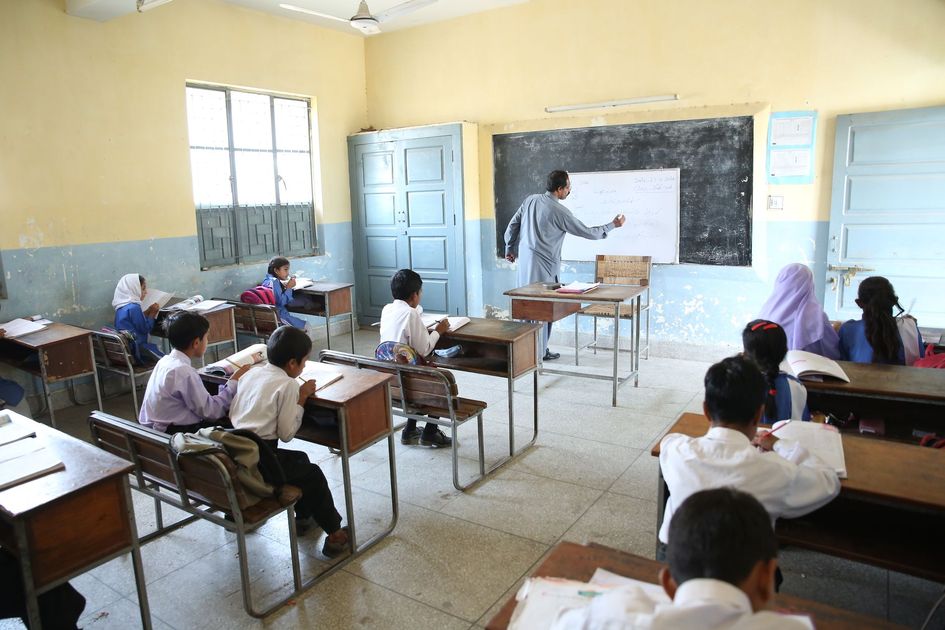
Modi directed specific advice toward teachers attending the session. He recommended they announce upcoming chapters in advance, allowing students to preview material before formal instruction begins.
He compared effective teaching to a farmer plowing fields, explaining that teachers must prepare student minds before introducing new concepts. When students arrive with basic familiarity through pre-reading or online searches, their curiosity deepens during actual lessons.
The Prime Minister cautioned teachers against rushing through syllabi at speeds that leave students behind. He suggested maintaining a pace just one step ahead of students, setting goals within reach but not easily achievable.
Modi emphasized that good teachers focus on holistic development rather than merely targeting high marks. Education serves life purposes beyond examinations, and teachers should explain real-world relevance of academic subjects.
He gave the example of cricket bowlers who must strengthen their entire bodies through exercise, yoga, proper diet, and adequate sleep rather than only building shoulder muscles. Similarly, students need comprehensive development across all subjects and life skills.
Balancing Studies, Skills, and Hobbies for Holistic Development
Modi stressed that balance remains essential between eating and sleeping, studying and playing, and acquiring skills versus earning marks. He identified two skill categories: life skills and professional skills, both equally important.
Life skills include discipline, confidence, and adaptability, which students must fully achieve. These foundational abilities enable people to handle daily tasks like cooking meals or purchasing railway tickets without assistance.
Professional skills demand continuous updating as industries evolve. Doctors must stay current with surgical techniques, while lawyers need courtroom practice beyond constitutional knowledge to develop effective advocacy skills.
When a student asked about pursuing gaming interests despite family opposition, Modi explained that parents often discourage initially but celebrate success once achieved. He advised creating content for social media platforms and YouTube channels to demonstrate commitment and gain recognition.
Modi encouraged students to share their hobbies publicly by creating practical products and distributing them freely online. Feedback from audiences generates new ideas and validates interests, potentially transforming hobbies into careers.
The Prime Minister also addressed students lacking supportive home environments for studying. He cited examples of children reading atop bullock carts and blind girls winning cricket matches despite hardships, emphasizing that comfort zones do not determine success.
Students facing household noise or guest interruptions should remember that many top board exam scorers emerge from small villages without luxuries. Modi shared that success depends on one’s approach to life rather than favorable conditions.
The interaction reflected the government’s broader push to integrate education, skilling, and employment. Finance Minister Nirmala Sitharaman announced a committee on education, employment, and entrepreneurship, signaling policy alignment with Modi’s educational vision.
Modi distributed Assamese gamochas to students, explaining their cultural significance and role in women’s empowerment in northeastern states. Students performed songs, recited poetry, and played flute compositions during lighter moments throughout the session.
The Prime Minister asked students to contribute ideas toward achieving Viksit Bharat by 2047. He explained that today’s youth will reach ages 35 to 45 by that deadline, positioning them to receive maximum benefits from India’s development when they reach career peaks.
Modi urged students to list five personal commitments toward national development. Responses included skill development, building self-confidence, and using indigenous products, which Modi praised as practical starting points for contributing to national progress.
He directed students to inventory all daily-use items in their households, identify foreign-made products, and gradually replace them with Indian alternatives. Modi argued that if Indians do not take pride in domestic products, global markets will not respect them either.
The Prime Minister also emphasized cleanliness as a fundamental duty. He noted that developed nations maintain clean public spaces because citizens refuse to litter, not because of superior sanitation workers.
On technology, Modi advised using Artificial Intelligence to enhance strengths rather than replace effort. Students should ask AI to recommend biographies based on age and interests, then read those books thoroughly rather than merely requesting summaries.
Union Education Minister Dharmendra Pradhan called Modi’s session a masterclass, stating that Pariksha Pe Charcha has evolved into a nationwide movement recognizing each child’s individuality. The next episode aired on February 9, 2026.
Frequently Asked Questions
What is Pariksha Pe Charcha and its significance?
Pariksha Pe Charcha is Prime Minister Narendra Modi’s initiative to interact directly with students facing board examinations and competitive tests. The program began in 2018 and aims to reduce exam anxiety by addressing student concerns about preparation strategies, time management, and balancing academics with personal interests. The ninth edition held on February 6, 2026, brought together students from multiple states to discuss education, skills, and wellness in an informal setting at the Prime Minister’s residence.
How can students implement PM Modi’s advice on nutrition?
Students should incorporate millets and vegetables into daily meals while avoiding processed foods that cause energy crashes during study sessions. Modi recommended exposure to morning sunlight for vitamin D, which supports immune function and mental alertness. Maintaining regular meal schedules ensures stable blood sugar levels that improve concentration and memory retention. Students should also prioritize adequate sleep, as Modi noted that nutrition directly affects sleep quality, which medical science confirms as essential for cognitive performance during examinations.
What are some practical tips for balancing studies and hobbies?
Modi advised students to pursue hobbies actively by creating content for social media platforms and YouTube channels, demonstrating commitment through public sharing. Parents initially may discourage non-academic interests, but success in those areas eventually earns their support and pride. Students should allocate specific time blocks for hobbies separate from study hours, treating personal interests as legitimate components of holistic development rather than distractions. Maintaining this balance prevents burnout while developing diverse skills that enhance creativity and problem-solving abilities applicable to academic challenges.
Conclusion
Modi’s February 6 session underscored that academic success requires more than textbook knowledge. Students need proper nutrition, adequate rest, balanced hobbies, and continuous skill development alongside traditional learning.
The Prime Minister’s emphasis on nutrition reflects growing recognition that diet directly affects cognitive performance. Students who prioritize balanced meals, morning sunlight exposure, and sufficient sleep establish foundations for both immediate exam success and long-term health.
His advice on balancing education with skills addresses economic realities where degrees alone no longer guarantee employment. Professional competencies demand lifelong learning and adaptation to technological changes across industries.
The government’s parallel initiatives linking education, skilling, and employment through ministerial committees demonstrate policy alignment with Modi’s educational vision. These efforts aim to prepare students not merely for examinations but for meaningful careers in India’s developing economy.

Trust Post Desk
A journalist and editor at TrustPost.org covering world and national news, technology updates and human-interest stories. They check every fact, interview sources in person or online, and aim to deliver clear, accurate reporting. Their work ranges from breaking news to in-depth features and daily newsletters. Outside the newsroom, they follow emerging trends and engage with readers on social media.