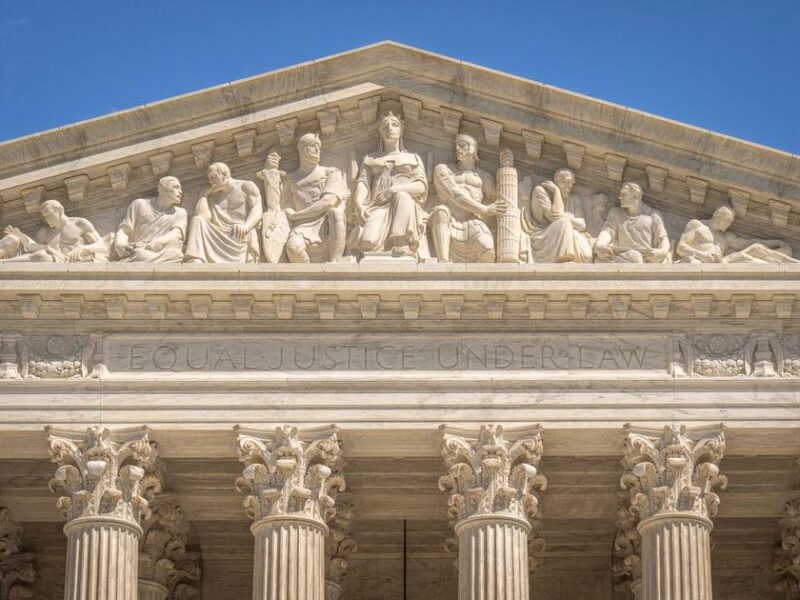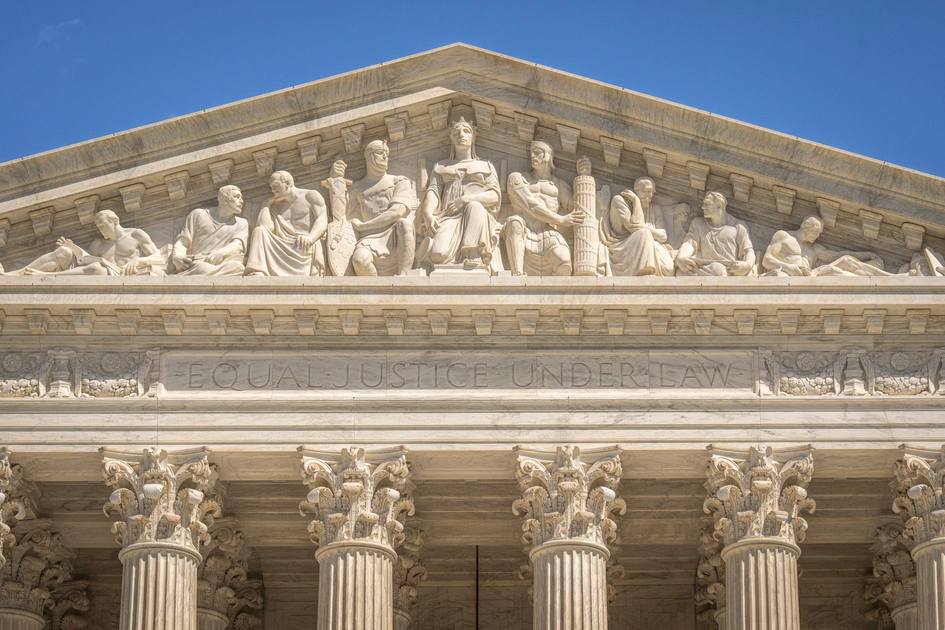
As the U.S. Supreme Court approaches the end of its term, the justices are poised to deliver significant rulings on contentious issues that have become central to the American cultural landscape. Among these are pivotal cases concerning gun laws and the participation of transgender athletes in sports. The outcomes of these cases are expected to shape legal precedents and public policy in ways that resonate across the nation, reflecting the ongoing debates about rights, freedoms, and societal norms.
Gun Laws: A Constitutional Dilemma
The Supreme Court is set to rule on two major cases regarding gun laws that highlight the divisive nature of gun rights in America. The first case challenges a federal law that prohibits individuals classified as “unlawful users” of controlled substances from possessing firearms. This law is part of the broader Gun Control Act of 1968, which specifies categories of individuals barred from gun ownership, including felons and fugitives. The case came to light after a Texas man, who admits to using marijuana regularly, was charged under this provision.
Legal experts suggest that the court may be inclined to question the constitutionality of this prohibition. Darrell Miller, a law professor at the University of Chicago, noted that while the court is examining the drug user restriction, it is also wary of undermining other critical aspects of gun control laws, particularly those aimed at felons. “The court is deciding a drug case but they have one eye on the felony possession statute,” Miller stated.
Hawaii’s Handgun Law
The second case involves a Hawaii law that requires express authorization from property owners for individuals to carry handguns onto private property that is open to the public. This regulation has been challenged on the grounds that it infringes upon Second Amendment rights. During oral arguments, conservative justices appeared skeptical of the law’s validity, suggesting a potential ruling that could expand gun rights further.
Gun control advocates, such as Hayley Lawrence, the executive director of the Duke Center for Firearms Law, anticipate a ruling against Hawaii, estimating a likely outcome of 6-3 in favor of expanding gun rights. “It seems to me Hawaii is going to lose 6-3,” Lawrence remarked, highlighting the court’s trend towards a more expansive interpretation of the Second Amendment. The implications of this ruling could resonate across states with similar laws, potentially leading to widespread changes in gun ownership regulations.
Transgender Athletes: A Legal and Social Battleground
The Supreme Court is also poised to address the legality of laws in Idaho and West Virginia that prohibit transgender athletes from participating in female sports teams. This issue has become a flashpoint in the culture wars, reflecting broader societal divisions over transgender rights. These states assert that allowing transgender women to compete on women’s teams undermines the integrity of female sports.
During arguments, conservative justices indicated a likelihood to uphold the bans, reflecting the prevailing sentiment among certain political factions and segments of the populace. According to William Bock, a sports law attorney, public opinion appears to favor these restrictions, with polls suggesting that a majority of Americans oppose transgender athletes competing in sports teams that align with their gender identity. “There is vast consensus on this issue,” Bock claimed, emphasizing the widespread belief that the participation of transgender athletes in female sports is problematic.
Legal Precedents and Implications
This case follows a series of legal challenges and rulings that have shaped the landscape for transgender rights in the United States. The Supreme Court’s previous decisions, including a significant ruling in 2020 that protected LGBTQ+ employees from workplace discrimination, have created a complex legal framework regarding transgender rights. However, recent rulings have allowed various restrictions on these rights to take effect, raising concerns among advocates for transgender individuals.
In a related case, the court upheld Tennessee’s ban on gender-affirming medical care for transgender minors, marking a significant setback for transgender rights advocates. As legal battles continue, the outcomes of the current cases may either reinforce or challenge the trajectory established by these earlier rulings.
The Broader Context of Cultural Wars
The Supreme Court’s decisions on gun laws and transgender rights are occurring against the backdrop of broader cultural and political battles. The current term has also seen significant disputes related to immigration policies, including challenges to President Donald Trump’s efforts to restrict birthright citizenship and humanitarian protections for immigrants. As the court deliberates these issues, the implications of its rulings extend beyond the specific cases at hand, influencing public policy and societal attitudes across the spectrum.
As the Supreme Court prepares to issue these rulings, the nation awaits with bated breath, knowing that the decisions will not only affect the individuals and states involved but will also reverberate through the legal system and society at large. The outcomes will likely shape public discourse around these critical issues for years to come.
Looking Ahead: Potential Outcomes and Their Impact
The anticipated rulings on gun laws and transgender athletes are expected to spark renewed debates across the country. Should the court decide to expand gun rights further, it could embolden lawmakers in various states to pursue more permissive gun ownership laws, potentially leading to an increase in firearms-related incidents. Conversely, a ruling against the federal prohibition on gun possession for drug users could complicate the enforcement of existing laws and open the door for broader challenges to gun control measures.
On the transgender athletes front, an upholding of the Idaho and West Virginia laws could lead to a wave of similar legislation across the country, further marginalizing transgender individuals in sports and potentially impacting their rights in other areas. Conversely, a ruling against these laws could affirm the rights of transgender athletes, setting a precedent that could influence future cases and legislation.
The Supreme Court’s decisions will undoubtedly play a pivotal role in shaping the legal landscape surrounding gun rights and transgender issues, with implications that extend far beyond the courtroom. As the nation grapples with these cultural conflicts, the court’s rulings will provide a crucial lens through which to understand the evolving dynamics of rights, freedoms, and societal norms in America.
As the justices prepare to announce their decisions, the nation is left to ponder the ramifications of their rulings on the fabric of American society. The ongoing culture wars are set to intensify, with each ruling serving as a potential catalyst for further legal and social battles in the years to come.
For more detailed information on the upcoming rulings and their implications, visit SRN News.

Trust Post Desk
A journalist and editor at TrustPost.org covering world and national news, technology updates and human-interest stories. They check every fact, interview sources in person or online, and aim to deliver clear, accurate reporting. Their work ranges from breaking news to in-depth features and daily newsletters. Outside the newsroom, they follow emerging trends and engage with readers on social media.