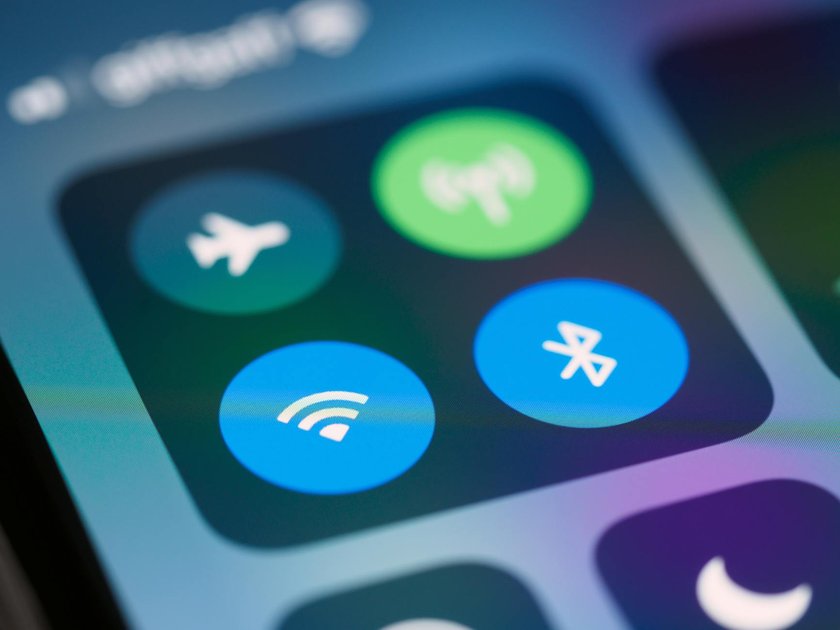
Apple has officially unveiled its latest software updates, including iOS 27, which introduces a stunning new design known as Liquid Glass and significant enhancements to Apple Intelligence. This release marks a crucial moment for Apple as it integrates these features across all its platforms, including iPadOS, macOS, watchOS, tvOS, and visionOS. The combination of aesthetic innovation and functional upgrades promises to raise user experience and redefine interactions with Apple devices.
Liquid Glass is not just a visual enhancement; it signifies a shift in how users will engage with their devices. The new design employs a translucent material that reflects and refracts its surroundings, creating a active interface that adapts to the user’s environment. This design aims to create a more immersive experience, making interactions feel more organic and intuitive.
Apple Intelligence, on the other hand, brings a suite of features designed to enhance communication and productivity. With tools like Live Translation and Workout Buddy, Apple is setting the stage for a more interconnected and personalized user experience. These updates are more than just superficial changes; they reflect Apple’s commitment to integrating advanced technology into everyday tasks, making devices smarter and more responsive to user needs.
Factual Breakdown of iOS 27 Features
The Liquid Glass design is a significant departure from previous user interfaces. This new aesthetic is not only visually striking but also enhances usability. The translucent elements create a sense of depth and dimension, making it easier for users to focus on content. The design extends across all Apple platforms, which is a strategic move to unify the user experience.
In iOS 27, Liquid Glass transforms app icons, widgets, and navigation controls, making them appear more lively and engaging. This cohesive design approach helps users transition smoothly between different devices. The focus on visual consistency across platforms enhances brand identity and user familiarity.
Apple Intelligence introduces new features that leverage machine learning to improve user interactions. Live Translation allows users to communicate across language barriers in real-time, which is particularly beneficial for international calls and messages. This feature is integrated into various apps, including Messages and FaceTime, making it accessible and easy to use.
Another notable addition is the Workout Buddy, which provides personalized audio insights during workouts. This feature uses voice data from Apple Fitness+ trainers to motivate users, creating a more engaging fitness experience. The integration of these advanced features underscores Apple’s focus on health and wellness, aligning with broader industry trends.
Implications of Liquid Glass and Apple Intelligence
The introduction of Liquid Glass and Apple Intelligence has several implications for the technology landscape. First, the shift towards a more immersive and visually appealing interface could influence design trends across the industry. Competitors may feel pressured to enhance their user interfaces to keep pace with Apple’s innovation. This could lead to a wave of new design philosophies that prioritize user engagement and aesthetic appeal.
Second, the advancements in Apple Intelligence suggest a future where devices are more adaptive to user behavior. As machine learning capabilities improve, users can expect even more personalized experiences. This could redefine how we interact with technology, making it more intuitive and less cumbersome. Companies that fail to adopt similar technologies may find themselves at a competitive disadvantage.
Lastly, these updates could significantly impact the market for third-party applications. Developers will need to adapt their apps to leverage the new Liquid Glass design and Apple Intelligence features. This could lead to a surge in app innovation as developers seek to create experiences that resonate with users in this new environment.
Broader Context and Trends
Apple’s latest updates are part of a broader trend within the tech industry towards enhanced user experiences through design and intelligence. As seen in the recent moves of Nintendo and other major players, there is a clear shift towards creating more engaging and interactive experiences for users. The emphasis on aesthetics and functionality is becoming a defining characteristic of successful products.
Furthermore, the growing importance of health and wellness in technology cannot be overlooked. With features like Workout Buddy and sleep score monitoring, Apple is positioning itself as a leader in health tech. This aligns with consumer trends that prioritize health and fitness, suggesting a promising future for Apple in this sector.
The integration of advanced machine learning capabilities also reflects a larger industry trend towards artificial intelligence. As companies invest in AI, the potential for smarter, more responsive devices increases. This could lead to a future where our devices anticipate our needs and adapt accordingly, fundamentally changing our interactions with technology.
Frequently Asked Questions
What is Liquid Glass in iOS 27?
Liquid Glass is a new design feature in iOS 27 that uses a translucent material to create a visually stunning interface. It reflects and refracts its surroundings, providing a active and immersive user experience.
How does Apple Intelligence enhance user experience?
Apple Intelligence includes features like Live Translation and Workout Buddy, which improve communication and fitness experiences. These tools leverage machine learning to provide personalized insights and facilitate smooth interactions across languages.
What impact will these updates have on app development?
Developers will need to adapt their applications to align with the new Liquid Glass design and Apple Intelligence features. This may lead to increased innovation in app development as creators seek to enhance user engagement.
Authoritative Takeaway
The launch of iOS 27, featuring Liquid Glass and Apple Intelligence, marks a significant evolution in Apple’s software ecosystem. These updates not only enhance the visual appeal of devices but also integrate advanced machine learning capabilities that redefine user interactions. As Apple continues to lead in design and technology, the implications for competitors and the industry at large are serious. Users can expect a future where their devices are not only more beautiful but also smarter and more attuned to their needs.

Trust Post Desk
A journalist and editor at TrustPost.org covering world and national news, technology updates and human-interest stories. They check every fact, interview sources in person or online, and aim to deliver clear, accurate reporting. Their work ranges from breaking news to in-depth features and daily newsletters. Outside the newsroom, they follow emerging trends and engage with readers on social media.