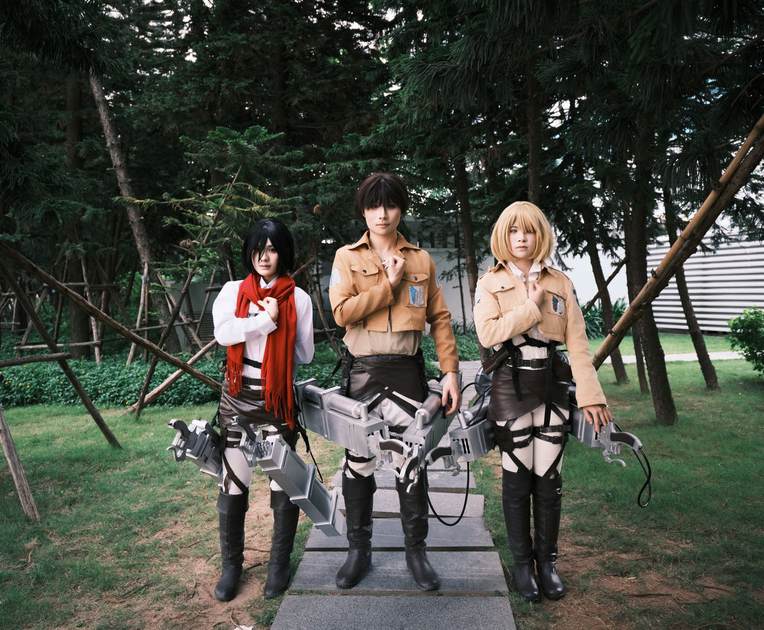
Anime has grown from a niche cultural export to a dominant force in global entertainment, influencing everything from Hollywood blockbusters to streaming platform strategies. What began as a distinctly Japanese art form has evolved into a medium that speaks to universal human experiences through imaginative worlds, complex characters, and stories that refuse to be constrained by conventional boundaries. The best anime series transcend language barriers and cultural differences, offering viewers profound explorations of identity, morality, friendship, and what it means to be human in worlds both familiar and fantastical.
Selecting the definitive best anime series of all time requires balancing multiple factors: cultural impact, artistic innovation, narrative depth, and the ability to resonate with audiences years or even decades after initial release. The series featured in this comprehensive guide have not only entertained millions but have fundamentally shaped the medium itself, inspiring countless creators and establishing writing conventions that continue to influence new works. From the explosive action of shounen classics to the psychological depth of mature dramas, these titles represent the pinnacle of what animation can achieve when freed from the constraints often placed on Western cartoons.
Whether you’re exploring anime for the first time or you’re a veteran fan revisiting the classics that defined your relationship with the medium, this list offers a carefully curated selection that spans genres, themes, and eras. Each entry has earned its place through a combination of artistic excellence, cultural significance, and the enduring emotional connection it creates with viewers. These are the series that prove anime is not just entertainment but a legitimate art form capable of telling stories with the same depth and sophistication as any prestige drama or acclaimed film.
New Series that Shaped Anime Culture
Dragon Ball Z
Dragon Ball Z stands as the gateway anime for an entire generation of Western fans, introducing millions to Japanese animation through its explosive blend of martial arts action, otherworldly adventures, and surprisingly heartfelt character moments. The series follows Goku and his allies as they defend Earth from increasingly powerful threats, from alien invaders to universe-destroying gods, with battles that frequently escalate to planet-shattering proportions.
What sets Dragon Ball Z apart is its masterful pacing of action sequences and its ability to make viewers genuinely care about the outcome of fights that often span multiple episodes. The series introduced iconic concepts like the Super Saiyan transformation, the Kamehameha energy blast, and the tension-building power level system that have been referenced, parodied, and emulated countless times across pop culture. Beyond the spectacle, the show explores themes of redemption through characters like Vegeta and Piccolo, who transition from villains to beloved heroes.
The cultural impact of Dragon Ball Z cannot be overstated. It dominated afternoon television programming in the late 1990s and early 2000s, creating a shared cultural touchstone that brought anime into mainstream American consciousness. The series proved that Japanese animation could succeed in Western markets without significant censorship or cultural sanitization, paving the way for the anime boom that followed. Its influence extends beyond anime into video games, merchandise, and internet culture, where its imagery and catchphrases remain instantly recognizable. Dragon Ball Z is essential viewing for anyone seeking to understand how anime became a global phenomenon.
Naruto Shippuden
Naruto Shippuden represents the maturation of one of anime’s most beloved franchises, taking the foundation established in the original Naruto series and deepening it with darker themes, higher stakes, and more sophisticated character development. The series picks up two and a half years after Naruto’s departure to train with Jiraiya, following him and his friends as they confront the terrorist organization Akatsuki while grappling with personal demons and the weight of their respective destinies.
The series excels at balancing intense action sequences with genuine emotional resonance, exploring complex themes like the cycle of hatred, the burden of legacy, and the possibility of redemption even for those who have committed terrible acts. Characters like Sasuke, Itachi, and Pain are given nuanced motivations that challenge simplistic notions of good and evil, while Naruto’s unwavering belief in friendship and understanding serves as a counterpoint to the world’s cynicism. The animation quality varies throughout the extensive run, but key battles like Naruto versus Pain and the Fourth Shinobi World War arc showcase stunning choreography and visual effects.
As one of the ‘big three’ shounen anime alongside Bleach and One Piece, Naruto Shippuden helped define an entire era of anime fandom. Its influence can be seen in subsequent series that adopted its formula of ninja abilities, complex power systems, and extended tournament or war arcs. The series has spawned a multimedia empire including films, video games, and the sequel series Boruto. Despite its occasionally frustrating pacing and filler episodes, Naruto Shippuden remains a cornerstone of shounen anime, demonstrating how long-running series can evolve beyond their initial premises to tackle increasingly mature themes while maintaining their core appeal.
My Hero Academia
My Hero Academia revitalized the superhero genre for anime by centering on Izuku Midoriya, a powerless boy in a world where 80 percent of the population possesses superpowers called quirks. After proving his heroic spirit by attempting to save a childhood bully from a villain despite having no powers, Izuku inherits the quirk of the world’s greatest hero, All Might, and begins training at U.A. High School to become a professional hero.
What distinguishes My Hero Academia from countless other superhero stories is its earnest exploration of what heroism actually means. The series constantly questions whether heroes are born or made, examining the societal structures that support professional heroism and the psychological toll of maintaining a heroic image. Characters like Todoroki grapple with abusive pasts, Bakugo confronts his own insecurity masked as aggression, and even villains like Stain and Shigaraki are given compelling ideological foundations for their actions. The series features some of the most creative power applications in anime, with quirks ranging from explosion generation to gravity manipulation, each requiring strategic thinking rather than simple power escalation.
The animation quality produced by Studio Bones is consistently exceptional, with fluid fight choreography that makes even minor skirmishes visually spectacular. Major battles like All Might versus All For One or the students versus Overhaul demonstrate cinematic quality that rivals theatrical releases. The series has garnered numerous accolades and maintains strong viewership globally, proving that traditional superhero narratives still resonate when executed with genuine passion and creativity. My Hero Academia succeeds by respecting its audience’s intelligence while delivering the emotional catharsis that makes superhero stories enduringly popular, similar to how action movies deliver thrilling spectacle alongside meaningful character development.
Iconic Adventures and Unique Worlds
Made in Abyss
Made in Abyss presents one of the most deceptive viewing experiences in anime history, with its adorable art style and seemingly innocent adventure premise masking a brutal, emotionally devastating narrative. The series centers on Riko, a young orphan whose mother was a legendary cave raider, and Reg, an amnesiac robot boy, as they descend into the Abyss, a massive chasm filled with ancient artifacts and dangerous creatures. The deeper they descend, the more lethal the ascent becomes due to the Curse of the Abyss, which inflicts increasingly severe physical trauma on those who attempt to climb back up.
The world-building in Made in Abyss is extraordinary, creating a fully realized ecosystem with its own internal logic, creature hierarchies, and historical mysteries. Each layer of the Abyss introduces new environmental hazards, bizarre fauna, and revelations about the ancient civilization that created it. The series does not shy away from graphic violence or disturbing imagery, earning every content warning it receives. Moments of body horror and child endangerment are presented with unflinching honesty, creating genuine tension because the series has demonstrated that no character has plot armor.
What makes Made in Abyss exceptional is how it balances this darkness with genuine wonder and hope. Riko’s determination to find her mother and understand the Abyss’s secrets drives the narrative forward, while her relationship with Reg provides emotional grounding. The supporting cast, from the mentor figure Ozen to fellow explorers like Nanachi, are richly developed with their own tragic backstories and complex motivations. The anime adaptation captures both the beauty and horror of the source material with stunning backgrounds and a haunting musical score. This series is emphatically not for younger viewers or the faint of heart, but for mature audiences seeking a truly unique fantasy adventure that respects their intelligence and emotional fortitude.
Jojo’s Bizarre Adventure
Jojo’s Bizarre Adventure defies conventional anime writing by spanning multiple generations of the Joestar family, with each part featuring a different protagonist, setting, and even battle system. Beginning with Jonathan Joestar’s Victorian-era conflict with the vampire Dio Brando, the series evolves through his descendant Joseph’s Hamon-powered battles in the 1930s, Jotaro’s Stand-wielding adventures in the 1980s, and beyond into increasingly bizarre territories including small-town murder mysteries and cross-country horse races.
The series is characterized by its flamboyant art style, with impossibly muscular characters striking dramatic poses while shouting attack names and engaging in battles that prioritize creative problem-solving over raw power. The Stand system introduced in Part 3 changed shounen combat by giving each character a unique supernatural ability with specific rules and limitations, requiring strategic thinking rather than simple power escalation. Stands range from straightforward combat abilities to reality-warping powers with obscure activation conditions, creating fights that feel like elaborate puzzles.
Jojo’s influence on internet culture is immense, with countless memes, references, and jokes originating from its most quotable moments and bizarre situations. The series has become synonymous with unexpected plot twists, over-the-top reactions, and musical references, as nearly every Stand is named after a Western rock band or song. Creator Hirohiko Araki’s willingness to completely reinvent the series every few years keeps it perpetually fresh, with later parts like Diamond is Unbreakable and Golden Wind developing sophisticated narratives about small-town intrigue and mafia politics alongside the expected supernatural battles. For viewers seeking something genuinely unlike any other anime, Jojo’s Bizarre Adventure delivers eccentricity, creativity, and style in equal measure.
Trigun
Trigun occupies a unique space in anime as a space Western that blends gunslinger action with philosophical meditation on pacifism, redemption, and the value of life. Set on a desert planet called No Man’s Land, the series follows Vash the Stampede, a legendary gunman with a massive bounty who is revealed to be a goofy, kind-hearted pacifist desperately trying to avoid violence despite chaos following him wherever he goes. His cheerful exterior masks deep trauma and a mysterious past involving advanced technology, lost civilizations, and a conflict with his nihilistic brother Knives.
What makes Trigun exceptional is how it balances episodic adventures with gradually mounting existential questions about whether Vash’s absolute commitment to preserving life is admirable idealism or dangerous naivety. The series forces viewers to confront difficult questions about whether some people are beyond redemption and whether violence can ever be truly justified. Vash’s refusal to kill, even when facing genuinely evil opponents, creates genuine moral tension rather than serving as simple plot armor. The supporting cast, including insurance agents Meryl and Milly and the pragmatic priest Wolfwood, provide contrasting perspectives on Vash’s philosophy.
The animation style is distinctively late 1990s, with exaggerated character designs, dramatic shading, and fluid action sequences that emphasize Vash’s superhuman marksmanship. The series shifts between slapstick comedy and genuine darkness, sometimes within the same episode, creating tonal variety that keeps viewers emotionally engaged. Trigun’s influence can be seen in later anime that blend Western aesthetics with science fiction elements, and its 2023 rethinking as Trigun Stampede introduced the story to a new generation with updated animation while maintaining the core themes. The original series remains a cult classic that rewards viewers seeking thoughtful action narratives rather than mindless spectacle.
Heartfelt Stories with Emotional Depth
Haikyuu!!
Haikyuu!! stands as proof that sports anime can achieve excellence through character development and emotional investment rather than relying solely on spectacular action sequences. The series follows Shoyo Hinata, a short but determined middle schooler who dreams of becoming a great volleyball player despite his height disadvantage, as he joins Karasuno High School’s volleyball team and works to revive the program’s former glory alongside a talented but temperamental setter named Tobio Kageyama.
What elevates Haikyuu!! above typical sports anime is its commitment to developing not just the main characters but the entire ensemble cast, including rivals from opposing teams. Each player receives meaningful backstory, personal motivations, and distinct playing styles that make every match feel like a clash of personalities and philosophies rather than just athletic ability. The series excels at showing how teamwork requires individuals to subordinate their egos while still contributing their unique strengths, with conflicts arising not from simple antagonism but from genuine differences in approach and philosophy.
The animation from Production I.G. is consistently exceptional, capturing the speed and physicality of volleyball through dynamic camera angles, slow-motion emphasis on crucial moments, and facial expressions that convey the intense concentration required for high-level play. Even viewers with no interest in volleyball find themselves emotionally invested in whether Karasuno can score the next point because the series has made them care about the characters’ dreams and struggles. Matches are depicted with genuine tension, complete with momentum shifts, psychological pressure, and the exhausting physical toll of extended play. Haikyuu!! demonstrates that sports anime can appeal to broad audiences when grounded in authentic human emotion and relationships, transcending its specific sport to tell universal stories about dedication, growth, and the bonds formed through shared struggle.
Your Lie in April
Your Lie in April delivers one of anime’s most emotionally devastating coming-of-age stories, following piano prodigy Kosei Arima as he struggles to overcome the psychological trauma that has left him unable to hear his own playing following his abusive mother’s death. His carefully maintained emotional distance is shattered by the arrival of Kaori Miyazono, a free-spirited violinist whose unconventional playing style and infectious enthusiasm reawaken his passion for music and his ability to connect with others.
The series is visually stunning, with musical performances depicted through impressionistic imagery that visualizes the emotional content of the music rather than simply showing fingers on keys. Vibrant colors flood the screen during moments of musical breakthrough, while Kosei’s traumatic memories are rendered in harsh, desaturated tones that emphasize his psychological imprisonment. The actual musical performances are given proper weight, with full pieces played in their entirety and the animation synchronized to capture the physical technique required for professional-level performance.
What makes Your Lie in April genuinely special is its willingness to confront difficult themes including childhood abuse, terminal illness, grief, and the fear of moving forward after tragedy. The relationship between Kosei and Kaori develops with genuine emotional complexity, avoiding simple romance tropes to explore how two damaged people can help each other heal while acknowledging that love cannot solve all problems. Supporting characters like Tsubaki and Watari provide additional perspectives on friendship, jealousy, and the pain of watching someone you care about suffer. The series does not shy away from its tragic elements, earning its emotional payoff through careful character development rather than manipulative melodrama. For viewers seeking a mature romance that explores the healing power of art and human connection, Your Lie in April offers an unforgettable experience, much like the emotional depth found in carefully crafted comedy series that balance humor with genuine heart.
Mind-Bending Narratives and Complex Themes
Death Note
Death Note changed the shounen genre by centering on an intelligent antagonist rather than a heroic protagonist, following Light Yagami as he discovers a supernatural notebook that kills anyone whose name is written in it. Rather than using this power responsibly or rejecting it entirely, Light embarks on a self-appointed crusade to create a new world order by systematically eliminating criminals, setting up a psychological cat-and-mouse game with the eccentric detective L who is determined to expose and stop him.
The series excels at depicting intellectual battles, with Light and L engaging in elaborate mind games where a single slip could prove fatal. Every conversation becomes a minefield of hidden meanings and calculated risks as both parties attempt to manipulate each other while concealing their true intentions. The writing is remarkably tight, with plot developments that feel both surprising and inevitable in retrospect, and rules governing the Death Note’s use that create genuine limitations forcing creative problem-solving.
Death Note’s exploration of justice, morality, and the corrupting influence of absolute power remains compelling years after its initial release. Light’s gradual transformation from idealistic student to megalomaniacal killer is depicted with psychological realism, showing how easy it is to rationalize increasingly extreme actions when convinced of your own righteousness. The series raises uncomfortable questions about whether Light’s world of reduced crime justifies his methods, and whether the existing justice system’s failures created the conditions for someone like Light to emerge. Supporting characters like Misa, Ryuk, and later L’s successors Near and Mello add additional layers to the moral complexity. The series has inspired numerous adaptations and imitators, though few have matched the original’s sustained tension and intellectual rigor. Death Note remains essential viewing for anyone interested in psychological thrillers that respect viewers’ intelligence.
Attack on Titan
Attack on Titan emerged as a cultural phenomenon that transcended anime fandom to become a mainstream topic of discussion, following humanity’s desperate struggle for survival against enormous humanoid Titans that devour people for no apparent reason. The series begins with childhood friends Eren Yeager, Mikasa Ackerman, and Armin Arlert joining the military after Titans breach their city’s protective walls, killing Eren’s mother and thousands of others, but gradually expands into a complex exploration of war, fascism, colonialism, and the cyclical nature of hatred.
What sets Attack on Titan apart is its willingness to completely subvert initial expectations, transforming from a straightforward survival horror story into a morally complex war drama where there are no simple heroes or villains. The series introduces game-changing revelations about the Titans’ true nature, humanity’s actual situation, and the historical atrocities that created the current conflict, forcing viewers to reconsider everything they thought they understood about the story. Characters who initially seemed heroic are revealed to have committed terrible acts, while apparent monsters are shown to be victims of circumstances beyond their control.
The animation quality from studios Wit Studio and MAPPA is consistently spectacular, with the three-dimensional maneuvering gear allowing for dynamic action sequences as soldiers swing through urban environments to attack Titan weak points. The series does not shy away from graphic violence, depicting the horror of being eaten alive or crushed in disturbing detail that emphasizes the stakes. Beyond the spectacle, Attack on Titan explores weighty themes including the psychology of militarism, the dangers of propaganda and historical revisionism, the perpetuation of trauma across generations, and whether revenge can ever truly be satisfied. The final season proved divisive among fans for its willingness to complicate the narrative rather than providing simple catharsis, but this commitment to moral complexity is precisely what elevates Attack on Titan above typical action anime. Director Alex Garland cited the series as an inspiration, demonstrating its influence beyond anime into broader filmmaking circles.
Neon Genesis Evangelion
Neon Genesis Evangelion stands as one of anime’s most influential and controversial series, deconstructing the mecha genre while serving as director Hideaki Anno’s deeply personal exploration of depression, alienation, and the difficulty of human connection. The series follows Shinji Ikari, a traumatized 14-year-old who is recruited by his estranged father to pilot a giant bio-mechanical weapon called an Evangelion to fight mysterious beings called Angels that threaten to destroy humanity. What begins as a relatively conventional monster-of-the-week setup gradually transforms into a psychological nightmare that abandons traditional narrative structure entirely.
The series is renowned for its complex symbolism drawing from Judeo-Christian mysticism, Freudian psychology, and Japanese cultural concepts, creating layers of meaning that fans have debated for decades. Characters are all fundamentally broken in different ways, using psychological defense mechanisms to avoid genuine intimacy despite desperately craving connection. Shinji’s passivity and self-loathing, Asuka’s aggressive overcompensation for deep insecurity, Rei’s existential confusion, and Misato’s avoidance through forced cheerfulness all reflect different manifestations of depression and trauma. The series does not offer easy answers or simple character growth, instead presenting uncomfortable truths about how difficult it is to change destructive patterns.
The final two episodes remain divisive 30 years after initial broadcast, abandoning conventional animation for avant-garde mixed media as Shinji undergoes psychological deconstruction. This controversial ending spawned multiple feature films attempting to provide closure, including The End of Evangelion’s apocalyptic vision and the recent Rebuild films’ more hopeful conclusion. Regardless of which ending viewers prefer, the original series’ influence on anime cannot be overstated, establishing templates for psychological mecha anime and demonstrating that animation could tackle mature themes with the same sophistication as any live-action prestige drama. Evangelion demands active engagement from viewers rather than passive consumption, rewarding repeated viewing with new insights into its dense symbolism and character psychology.
Genre-Defining Classics with Lasting Impact
Hunter x Hunter
Hunter x Hunter earns its reputation as one of shounen anime’s greatest achievements through its intelligent power system, morally complex characters, and willingness to subvert genre conventions at every opportunity. The series follows young Gon Freecss as he takes the Hunter Examination to become a professional Hunter like his absentee father, meeting friends including the revenge-driven Kurapika, the aspiring doctor Leorio, and the assassin-trained Killua who becomes his best friend. What begins as a relatively lighthearted adventure gradually reveals darker depths as the series explores the nature of justice, the costs of revenge, and whether the ends can ever truly justify the means.
The Nen power system is one of anime’s most carefully constructed, establishing clear rules about aura types, conditions, and limitations that create strategic depth rather than relying on power escalation. Characters develop abilities that reflect their personalities and goals, with restrictions that increase power but create genuine vulnerabilities. Fights become elaborate puzzles where victory depends on understanding opponents’ abilities and exploiting weaknesses rather than simply being stronger. The series is unafraid to show main characters losing, suffering permanent consequences, or making morally questionable decisions in pursuit of their goals.
Hunter x Hunter’s story arcs vary dramatically in tone and focus, from the game-like structure of Greed Island to the political intrigue of the Chimera Ant arc, which transforms into a meditation on what separates humans from monsters and whether humanity is worth preserving. The Chimera Ant King Meruem’s character development represents some of anime’s finest writing, transforming from an inhuman tyrant into something genuinely sympathetic without excusing his atrocities. Supporting characters are given remarkable depth, with even minor antagonists receiving meaningful backstories and understandable motivations. The 2011 adaptation from Madhouse provides consistently excellent animation and pacing, making it the definitive version for most viewers. Hunter x Hunter demonstrates how shounen anime can maintain mass appeal while refusing to talk down to its audience or rely on tired formulas.
Cowboy Bebop
Cowboy Bebop achieved the rare feat of creating something that appeals equally to anime fans and mainstream audiences, blending film noir, westerns, kung fu movies, and jazz music into a stylish space opera following a ragtag crew of bounty hunters aboard the spaceship Bebop. Each character is running from their past: Spike Sretski from his history with a crime syndicate and lost love, Jet Black from his idealistic police career, Faye Valentine from her amnesia and massive debt, and even the precocious hacker Ed from abandonment. The series is largely episodic, allowing standalone adventures that explore different genres and tones while gradually revealing character backstories.
What makes Cowboy Bebop exceptional is its commitment to style and atmosphere, with director Shinichiro Watanabe creating a lived-in future that feels both futuristic and retro. The animation from Sunrise studio is fluid and cinematic, with action sequences choreographed like Hong Kong martial arts films and quiet character moments given space to breathe. Yoko Kanno’s legendary jazz soundtrack is inseparable from the series’ identity, with musical cues that define each episode’s emotional tone and the iconic opening theme ‘Tank!’ becoming one of anime’s most recognizable songs.
The series balances humor, action, and melancholy with remarkable skill, creating episodes that range from slapstick comedy to genuine tragedy. The English dub is widely considered one of the best ever produced, with performances that rival or exceed the original Japanese voice acting. Cowboy Bebop explores themes of loneliness, the impossibility of escaping the past, and the difficulty of moving forward when haunted by regret, all while maintaining a cool, laid-back exterior that makes its emotional gut-punches hit even harder. The series proved that anime could achieve mainstream critical acclaim in Western markets, influencing everything from later anime to live-action science fiction. Its 26-episode run tells a complete story without filler, making it an ideal entry point for viewers new to anime while offering enough depth to satisfy experienced fans.
Fullmetal Alchemist: Brotherhood
Fullmetal Alchemist: Brotherhood represents anime adaptation done right, faithfully translating Hiromu Arakawa’s manga into 64 episodes of perfectly paced writing that balances action, comedy, philosophy, and genuine emotional depth. The series follows brothers Edward and Alphonse Elric, who as children attempted to resurrect their deceased mother using alchemy and paid a terrible price: Edward lost his arm and leg, while Alphonse lost his entire body and had his soul bound to a suit of armor. Their quest to find the Philosopher’s Stone to restore their bodies gradually reveals a massive conspiracy involving the military dictatorship of Amestris, artificial humans called Homunculi, and a plan centuries in the making.
The series excels at world-building, creating a fully realized alchemical system with consistent rules and limitations, a detailed geopolitical landscape with multiple nations and competing interests, and a rich supporting cast where even minor characters receive meaningful development and contribute to the overall plot. The equivalent exchange principle, that alchemy cannot create something from nothing, serves as both a practical limitation and a thematic throughline about the costs of ambition and the impossibility of returning to how things were before tragedy.
Fullmetal Alchemist: Brotherhood does not shy away from difficult subject matter, depicting war crimes, genocide, human experimentation, and the psychological toll of violence with unflinching honesty while maintaining hope that people can choose to do better. The relationship between the Elric brothers serves as the emotional core, with their unwavering commitment to each other providing grounding even as the plot expands to nation-threatening stakes. Action sequences are spectacular, with creative applications of alchemy creating visually distinct fighting styles for each character. The series builds to a genuinely satisfying conclusion that resolves major plot threads while honoring character development, a rarity in long-running shounen anime. It regularly tops best anime lists and serves as an ideal introduction to the medium, offering everything that makes anime special in one excellently crafted package.
Frequently Asked Questions
What is the best anime series of all time?
The answer depends on personal taste and what criteria matter most to individual viewers, but Fullmetal Alchemist: Brotherhood frequently tops critical and fan rankings due to its perfect balance of action, humor, emotional depth, and thematic complexity. The series combines exceptional animation, a fully realized world with consistent internal logic, memorable characters with genuine development, and a satisfying conclusion that rewards viewers’ investment. Other strong contenders include Hunter x Hunter for its intelligent power system and moral complexity, Cowboy Bebop for its style and accessibility to non-anime fans, and Neon Genesis Evangelion for its psychological depth and industry influence. Ultimately, the best anime series is the one that resonates most strongly with you personally, whether through its themes, characters, or unique approach to writing.
What is the best anime show of all time?
While subjective, Attack on Titan represents one of the most culturally impactful anime of the modern era, transcending the medium to generate mainstream discussion and influence filmmakers beyond anime. Its transformation from survival horror to morally complex war drama demonstrates sophisticated writing rarely seen in action anime, forcing viewers to confront uncomfortable questions about revenge, militarism, and the perpetuation of hatred across generations. The series combines spectacular action sequences with genuine philosophical depth, earning comparisons to prestige television dramas. However, classics like Dragon Ball Z defined the medium for Western audiences and maintain relevance decades after initial release, while Death Note changed psychological thrillers in anime. The best show ultimately depends on whether you value cultural impact, narrative innovation, animation quality, or emotional resonance most highly in your viewing experience.
What is the best cartoon series of all time?
If considering anime as a subset of animation alongside Western cartoons, the competition expands significantly to include shows like Avatar: The Last Airbender, Batman: The Animated Series, and classic Disney productions. However, anime offers unique strengths including serialized writing that allows for extended character development, willingness to tackle mature themes without condescension, and visual styles that emphasize emotional expression over realistic motion. Series like Made in Abyss demonstrate anime’s capacity for stunning world-building and emotionally devastating narratives that would be difficult to execute in other animation traditions. The medium’s flexibility allows for everything from epic multi-generational sagas like Jojo’s Bizarre Adventure to intimate character studies like Your Lie in April, much like how diverse offerings can be found among streaming platforms catering to varied audience preferences. The best cartoon series ultimately depends on individual taste, but anime’s unique strengths ensure it remains a vital and distinctive form of animated writing.
Conclusion
The anime series featured in this guide represent the medium’s finest achievements, demonstrating anime’s capacity for writing that rivals any form of entertainment. From the explosive action of Dragon Ball Z that introduced a generation to Japanese animation, through the psychological complexity of Neon Genesis Evangelion and Death Note, to the morally challenging narratives of Attack on Titan and Hunter x Hunter, these series prove that animation is not just for children but a legitimate art form capable of exploring the full range of human experience.
Whether you’re drawn to the heartfelt sports drama of Haikyuu!!, the stylish space noir of Cowboy Bebop, the mind-bending adventures of Jojo’s Bizarre Adventure, or the emotionally devastating beauty of Made in Abyss and Your Lie in April, these series offer entry points into anime’s diverse landscape. Each title has earned its place through exceptional craft, cultural impact, and the ability to create genuine emotional connections with viewers across linguistic and cultural boundaries. Start with whichever premise appeals most to your existing tastes, but remain open to exploring beyond your comfort zone. The best anime series challenge expectations, reward active engagement, and prove that the only limit to animated writing is imagination itself. These are not just the best anime series of all time but essential viewing for anyone seeking to understand why anime has become a global phenomenon captivating millions of fans worldwide.

Trust Post Desk
A journalist and editor at TrustPost.org covering world and national news, technology updates and human-interest stories. They check every fact, interview sources in person or online, and aim to deliver clear, accurate reporting. Their work ranges from breaking news to in-depth features and daily newsletters. Outside the newsroom, they follow emerging trends and engage with readers on social media.