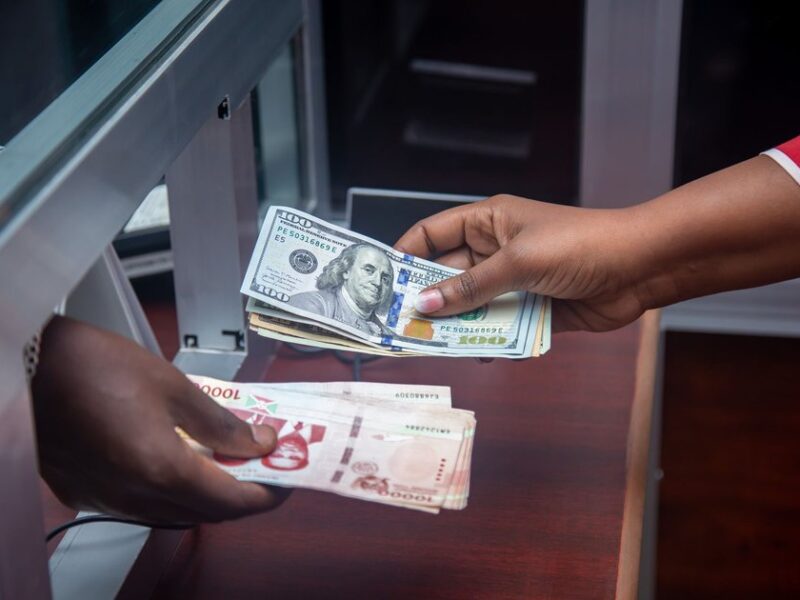
The U.S. economy confronts mounting pressure as inflation surged to 3.8 percent year-over-year in May 2026, driven by energy prices that jumped 18 percent amid the closure of the Strait of Hormuz. The Bureau of Economic Analysis released the data on May 28, 2026, marking the fastest pace of price increases since early 2023.
In This Article
This inflationary spike arrives at a politically sensitive moment. President Donald Trump faces scrutiny ahead of November’s midterm elections, while the Federal Reserve navigates policy decisions under newly sworn-in Chair Kevin Warsh.
The conflict between the United States and Iran, which erupted after U.S. and Israeli strikes in February, disrupted global oil flows. Iran’s closure of the Strait of Hormuz blocked roughly one-fifth of the world’s oil shipments, creating the largest supply shock on record according to the International Energy Agency.
U.S. Inflation Hits 3.8% Year-Over-Year in May 2026
The Personal Consumption Expenditures Price Index, the Federal Reserve’s preferred inflation gauge, showed headline inflation climbing to 3.8 percent from a year earlier. Core inflation, which excludes volatile food and energy categories, reached 3.3 percent.
This represents a sharp acceleration from the 2.8 percent rate recorded in February 2026. The month-over-month increase came in softer than expected, but the annual comparison points to persistent price pressures spreading beyond fuel pumps.
Housing costs, utilities, and recreational spending all contributed to elevated underlying inflation. These increases occurred even as other economic indicators showed slowing growth and weaker income gains.
The Consumer Price Index, tracked by the Labor Department, painted a similar picture. April’s CPI data revealed a 3.8 percent annual jump, the fastest pace in three years.
Grocery prices posted their largest monthly gain since 2022. Tariff-sensitive categories including apparel and household furnishings continued climbing, suggesting the inflationary impact extends well beyond energy markets.
Energy Prices Surge by 18%, Affecting Broader Economic Indicators
Energy costs jumped 18 percent year-over-year in April, directly hitting American households at gas stations where prices exceeded 4 dollars per gallon nationally. This represents an increase of more than one dollar from earlier in 2026.
The energy price spike ripples through the entire economy. Transportation costs, airline fares, food production, and packaging all absorb higher fuel expenses, which companies then pass to consumers.
Airline spending surged over 20 percent, according to the April CPI report. These higher costs reduce households’ purchasing power for discretionary spending like restaurants, retail, and travel.
Finance and applied investments professors who track business decision-making warned in their 2026 economic outlook that recession fears could persist alongside rising prices. The fresh inflation data confirms their concerns about a prolonged challenge.
Energy prices function as both a current inflation measure and a signal of future price increases. When costs remain elevated long enough, workers demand higher wages to maintain purchasing power, potentially triggering a wage-price spiral.
Asia bore the brunt of the supply disruption. More than 80 percent of oil transiting the Strait of Hormuz supplies Asian markets, forcing Bangladesh garment factories to sit idle and Pakistan to close schools.
The Philippines and Sri Lanka shortened workweeks to conserve fuel. Even wealthier economies like Australia and South Korea implemented conservation measures.
Federal Reserve Faces Dilemma as New Chair Kevin Warsh Takes Office
Kevin Warsh assumed the Federal Reserve chairmanship in May 2026, making the June 16-17 policy meeting his first in that role. He inherits an unusually difficult environment with committee members divided on the appropriate policy response.
The Federal Reserve maintained interest rates at 3.50 to 3.75 percent at its April meeting, holding steady after three consecutive 25-basis-point cuts late in 2025. Minutes from that meeting noted that many officials worried persistent inflation could require additional rate hikes.
Warsh faces scrutiny over rhetorical shifts regarding inflation since President Trump nominated him. Trump has publicly pressured the Fed to cut rates, while Warsh downplayed the significance of PCE data in recent statements.
The Fed’s dual mandate creates a policy dilemma. Higher energy prices fuel inflation but simultaneously act like a tax on consumers, reducing spending power and dampening economic growth.
Raising interest rates combats inflation but cannot resolve geopolitical conflicts or increase global oil supplies. Rate hikes would reduce demand and slow price increases, yet risk tipping the economy toward recession.
Long-term Treasury yields reached their highest levels since 2007, reflecting market expectations for either higher rates or prolonged uncertainty. These yields influence mortgage rates, business borrowing costs, and retirement portfolio values.
Markets anticipate inflation may remain elevated even without immediate Fed action. Borrowing costs can rise independently if investors demand higher returns for perceived risk.
Warsh’s first major test may involve explaining which indicators the Fed prioritizes. Will policymakers emphasize headline inflation, core inflation, consumer expectations, or signs of slowing demand? Some measures sit closer to the Fed’s 2 percent target while others diverge rapidly.
Artificial intelligence investment adds complexity. AI-related spending supports growth even as households struggle with higher gas and grocery prices, creating what observers describe as a divided economy.
Warsh argues AI will help drive down prices, allowing rate cuts sooner. Critics question whether productivity gains will materialize quickly enough to offset current inflationary pressures.
Consumer Spending Behavior Shifts Amid Rising Costs and Economic Uncertainty
Consumer confidence plummeted to an all-time low of 47.6 in the University of Michigan Survey of Consumers, falling below the previous record of 50 set in June 2022 during the Biden administration.
Americans increasingly rely on savings to maintain spending levels as inflation outpaces wage growth. This behavior cannot continue indefinitely without damaging household balance sheets.
Only 30 percent of voters approve of Trump’s handling of the economy, according to polling data. The administration released oil from the Strategic Petroleum Reserve in coordination with the International Energy Agency and partner countries to provide near-term relief.
Congress is discussing a temporary reduction in the federal gas tax. These measures offer some cushion but cannot remedy long-term damage to fertilizer supplies, oil infrastructure, and consumer confidence.
The economic fallout affects sectors unevenly. Farmers who had not purchased and stored fertilizer before planting season face sharply higher input costs. Both imported and domestically produced food prices will rise as a result.
Damage to oil and gas infrastructure in the Gulf could take years to repair in some cases. Fertilizer shortages cannot be remedied mid-season, locking in higher costs for months ahead.
Business confidence initially showed resilience. First-quarter 2026 measures rose to 59, well above the neutral threshold of 50, with executives at larger companies reporting optimism about their industries and the broader economy.
That survey was released two days before February’s missile strikes. Subsequent data will reveal whether business sentiment has shifted as supply shocks intensified.
The labor market showed mixed signals. After adding 160,000 jobs in January and losing 133,000 in February, the economy added 178,000 positions in March. The unemployment rate held at 4.3 percent.
Major tech companies including Amazon and Meta announced large-scale layoffs, raising fears about AI-driven job displacement. Recent college graduates reported particular difficulty securing entry-level positions in a tightening market.
The housing market faces renewed pressure. Mortgage rates climbed to 6.25 percent or above after briefly dropping below 6 percent for the first time since 2022. Prospective buyers who hoped for Fed rate cuts now face the prospect of rate increases instead.
A bipartisan housing bill cleared the Senate with strong support. The legislation aims to cut red tape, restrict large institutional investors from purchasing single-family homes, and expand affordable housing supply.
The White House acknowledged the scale of the challenge, noting the United States faces a shortage of as many as ten million homes. Rising borrowing costs complicate efforts to address this deficit.
For investors tracking financial markets on edge from inflation concerns, the current environment presents both risks and opportunities. Stock valuations face pressure from higher discount rates, while energy sector equities benefit from elevated commodity prices.
Analysts following profit growth trading strategies note that companies with pricing power can maintain margins during inflationary periods, while those with fixed-price contracts struggle.
Frequently Asked Questions
What are the primary drivers of the current inflation surge in the U.S.?
The closure of the Strait of Hormuz following U.S.-Iranian conflict caused the largest oil supply shock on record, driving energy prices up 18 percent year-over-year. These higher energy costs spread through transportation, food production, and utilities, creating broader inflationary pressures. Housing and recreational spending also contributed to the 3.8 percent annual inflation rate reported in May 2026.
How does the Federal Reserve plan to address rising inflation?
New Chair Kevin Warsh faces the June 16-17 policy meeting with limited options. The Fed can raise interest rates to reduce demand and slow inflation, but this risks damaging an already pressured economy. Minutes from the April meeting indicate many officials consider additional rate hikes if inflation persists. The Fed held rates at 3.50 to 3.75 percent in April after three cuts in late 2025.
What impact does inflation have on consumer spending and economic growth?
Higher prices reduce household purchasing power, forcing consumers to rely on savings to maintain spending levels. Consumer confidence hit an all-time low of 47.6 in the University of Michigan survey. Americans face gasoline above 4 dollars per gallon, higher grocery prices, and rising mortgage rates above 6.25 percent. These pressures threaten to slow economic growth while inflation remains elevated, creating stagflation risk.
Conclusion
The interplay between inflation, energy prices, and Federal Reserve policy will significantly shape the U.S. economic landscape through the remainder of 2026 and into 2027.
Warsh’s leadership faces immediate testing as markets, consumers, and policymakers assess whether the Fed can maintain inflation credibility without tipping the economy into recession.
The geopolitical dimension adds uncertainty. Even a full reopening of the Strait of Hormuz and immediate end to hostilities would not spare the economy from significant pain in coming months due to infrastructure damage and disrupted supply chains.
Political pressure intensifies as midterm elections approach in November. The administration’s economic messaging faces headwinds from inflation running nearly double the Fed’s 2 percent target and voter approval of economic management at just 30 percent.
Investors, businesses, and households must navigate an environment where traditional policy tools face constraints. Rate hikes cannot resolve supply shocks, while rate cuts risk entrenching inflation expectations.
The key question remains whether energy price increases represent a temporary shock or the beginning of a sustained inflationary period requiring aggressive monetary tightening despite growth concerns.

Trust Post Desk
A journalist and editor at TrustPost.org covering world and national news, technology updates and human-interest stories. They check every fact, interview sources in person or online, and aim to deliver clear, accurate reporting. Their work ranges from breaking news to in-depth features and daily newsletters. Outside the newsroom, they follow emerging trends and engage with readers on social media.