NVIDIA Cosmos 3: The Open Physical AI Omnimodel Explained
NVIDIA launched Cosmos 3 at Computex 2026 on May 31, unveiling the world’s first open physical AI omnimodel.
Cosmos 3 natively understands and generates text, images, video, ambient sound, and robot action signals.
Per NVIDIA, Cosmos 3 uses a mixture-of-transformers architecture that pairs reasoning with expert generation.
What Is NVIDIA Cosmos 3 and What Makes It the First Physical AI Omnimodel
An omnimodel is a single AI model that handles multiple modalities: text, images, video, sound, and actions.
Cosmos 3 is the first model to also output robot action signals such as joint angles and trajectory points.
This makes it uniquely useful for training and simulating physical robots in complex real-world environments.
Previous AI models could generate video or text but could not natively output robot control instructions.
Cosmos 3 bridges the gap between understanding the world and taking physical actions within it.
NVIDIA says it reduces physical AI training and evaluation cycles from months to days using Cosmos 3.
NVIDIA Cosmos 3 Architecture: How the Mixture-of-Transformers Works
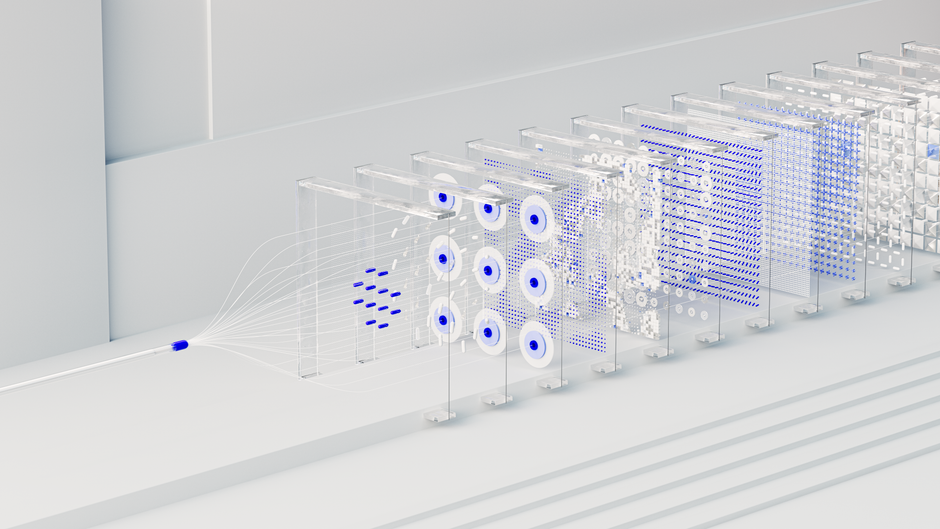
Cosmos 3 uses a mixture-of-transformers (MoT) architecture with two specialized transformer components.
A reasoning transformer first understands object interactions, motion, and spatial-temporal relationships.
An expert generation transformer then produces video, images, sound, and robot action outputs based on that understanding.
The design allows Cosmos 3 to reason about physics before generating physically accurate video or motion.
Per Hugging Face, Cosmos 3 weights are publicly available and can be tried on build.nvidia.com without a GPU.
The model is released under the NVIDIA Open Model License, which permits commercial use and derivative models.
NVIDIA Cosmos 3 Model Sizes: Super and Nano Variants
Cosmos 3 is available in two sizes: Cosmos 3 Super at 32 billion parameters and Cosmos 3 Nano at 8 billion.
The Super variant targets high-fidelity simulation tasks like robotics testing and autonomous vehicle training.
Cosmos 3 Nano is optimized for edge deployment and lighter inference workloads on smaller hardware.
A third variant called Cosmos 3 Edge is coming soon for real-time inference at the edge of robotic systems.
All Cosmos 3 variants can be downloaded from Hugging Face and deployed on standard NVIDIA GPU hardware.
The open-source approach connects to big tech AI investment strategies competing on openness versus proprietary models.
Use Cases for NVIDIA Cosmos 3 in Robotics and Physical AI
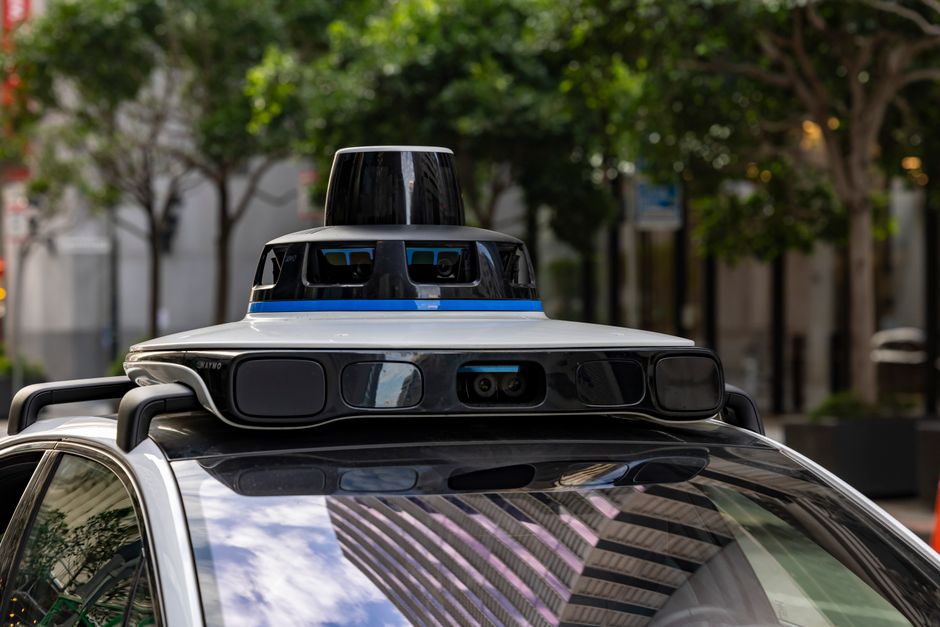
Autonomous vehicle companies can use Cosmos 3 to simulate millions of driving scenarios without real road testing.
Robotics manufacturers can generate training data for robot arms by simulating physical manipulation tasks.
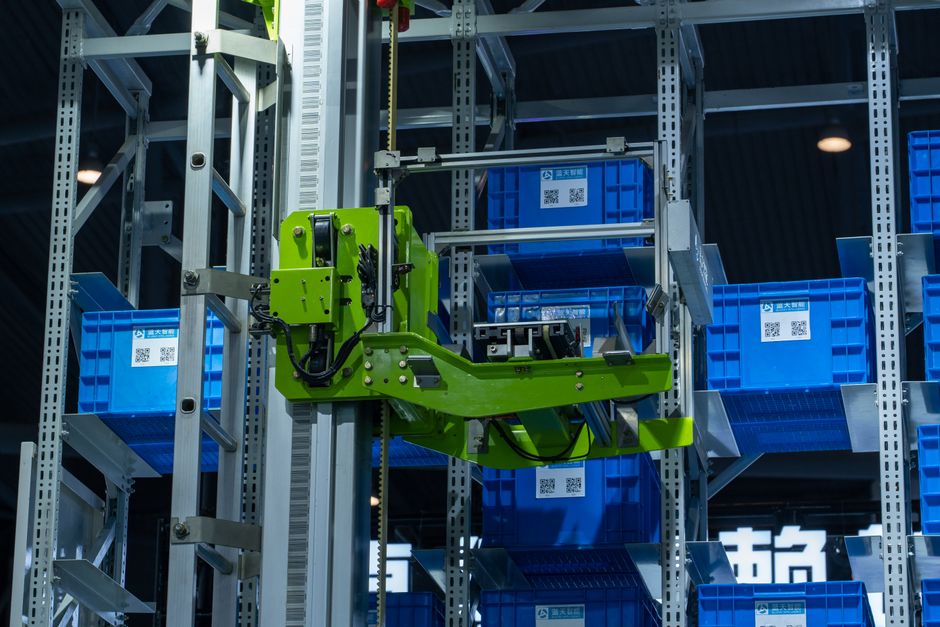
Warehouse automation companies can train AI-powered forklifts and delivery robots using Cosmos 3 simulations.
NVIDIA says the model shows leading physics accuracy, meaning simulated actions closely mirror real-world outcomes.
This physical AI capability connects to SoftBank Roze robotics ambitions that depend on high-quality simulation.
Humanoid robot companies are expected to be early adopters, using Cosmos 3 to accelerate development timelines.
What NVIDIA Cosmos 3 Means for the AI Robotics Industry
Cosmos 3 positions NVIDIA as the software platform layer for physical AI, not just the hardware provider.
It directly competes with Google DeepMind’s physical AI research and Amazon’s Olympus robotics foundation model.
By open-sourcing Cosmos 3, NVIDIA builds a developer ecosystem that drives demand for its own GPU hardware.
Researchers can fine-tune Cosmos 3 on domain-specific datasets, making it adapt quickly to new robotic tasks.
The model is a signal that 2026 is the year physical AI transitions from research labs to production deployments.
NVIDIA expects Cosmos 3 to become the standard simulation backbone for the next generation of autonomous machines.