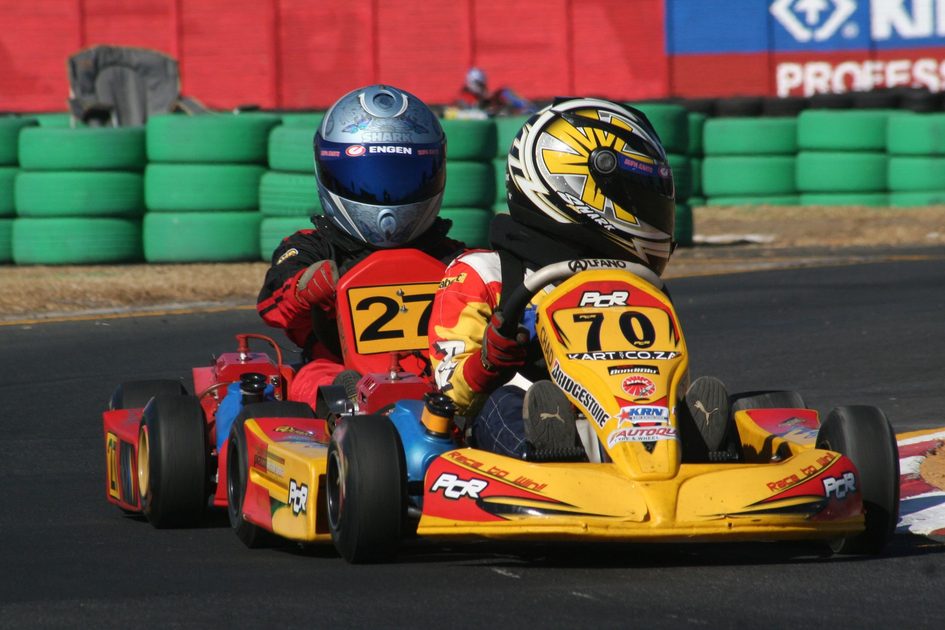
Fernando Alonso, the seasoned Aston Martin driver, claimed a whimsical ‘victory’ yesterday in Formula 1’s second annual Lego drivers’ parade at Silverstone, an event that quickly devolved into a chaotic, yet highly entertaining, mini-race. Ahead of Sunday’s British Grand Prix, all 22 F1 drivers navigated the iconic circuit in custom-built go-karts, each meticulously crafted from 28,000 Lego bricks.
The spectacle, broadcast live across television and social media, saw drivers embracing their competitive instincts, leading to numerous karts becoming beached in the gravel, aggressive corner-cutting, and good-natured bumping. This light-hearted pre-race activation, a follow-up to last year’s successful Miami parade featuring full-size Lego F1 cars, delivered unexpected drama and became one of the weekend’s most talked-about moments.
Alonso’s triumph, achieved by cutting across the grass at the final corner, provided a humorous contrast to his actual qualifying performance, where he started plum last for the main British Grand Prix. The event underscored F1’s ongoing partnership with Lego, designed to bring fans closer to the sport through innovative and engaging experiences.
Alonso Secures Lego Go-Kart ‘Win’ Amidst Track Limit Chaos
The battle for the ceremonial win in yesterday’s Lego go-kart parade intensified towards the final sector of the Silverstone circuit. Aston Martin’s Fernando Alonso, Cadillac’s Valtteri Bottas, and Haas driver Esteban Ocon emerged as the primary contenders.
In a move reminiscent of his on-track cunning, Alonso, alongside Bottas and Ocon, opted for a daring shortcut across the grass at the final corner. This decisive maneuver allowed the 44-year-old Spaniard to cross the finish line first, securing the playful ‘victory’.
Reports from the track even suggested GPFans.com highlighted Alonso’s mischievous attempts to press the brake pedal on Bottas’s kart, showcasing the drivers’ full commitment to the fun yet fiercely competitive spirit of the parade. The victory offered a light-hearted moment for Alonso, whose Aston Martin team has spent the season running at the back of the field.
Silverstone’s Lego Mayhem: Gravel Traps and Driver Antics
The second edition of the Lego drivers’ parade quickly descended into delightful disorder, far exceeding the expectations for a simple lap. FIA President Mohammed Ben Sulayem led the field away from the grid in his own Lego kart, only for chaos to erupt almost immediately.
Many drivers, including Ben Sulayem himself, attempted to cut the first corner by venturing into the gravel trap, resulting in multiple karts becoming hopelessly beached. Marshals were seen frantically trying to free the stranded vehicles, adding to the comedic spectacle.
The corner-cutting continued throughout the lap, with drivers liberally using the second pit lane approaching Copse and running across the grass at the exit of Maggots and Becketts to gain time. Race control, perhaps wisely, noted no incidents of track limits breaches for this particular event.
Among the most memorable moments, reigning world champion Lando Norris gave his former teammate Carlos Sainz a lift on the back of his Lego McLaren after Sainz’s own Williams kart became stranded. Norris later stopped at his ‘Landostand’ at Stowe to greet fans and conduct an interview, leaving Sainz to complete the lap in the McLaren.
Further down the Hangar Straight, Ollie Bearman delighted the crowd by performing donuts in his go-kart, adding another layer of unplanned entertainment. The event provided a stark contrast to the high-stakes drama seen in other major sporting spectacles, such as the ongoing World Cup 2026 Week 1, where stars like Messi, Kane, and Haaland have been dazzling fans.
Engineering the Brick-Built Racers and Driver Reservations
The Lego go-karts were not merely toys; they were engineering marvels designed for the unique parade. Each kart featured an impressive 28,000 Lego bricks, contributing 65 kg to the total weight of roughly 280 kg, all constructed around a robust metal frame.
Powered by an electric motor, these brick-built machines could reach a top speed of 20-25 kph (16-20 mph), providing just enough pace for the drivers to introduce their competitive spirits. The meticulous planning for these karts began in October of last year, involving a dedicated team of 20 designers, engineers, and builders at the Lego factory in Kladno, Czech Republic.

Trust Post Desk
A journalist and editor at TrustPost.org covering world and national news, technology updates and human-interest stories. They check every fact, interview sources in person or online, and aim to deliver clear, accurate reporting. Their work ranges from breaking news to in-depth features and daily newsletters. Outside the newsroom, they follow emerging trends and engage with readers on social media.