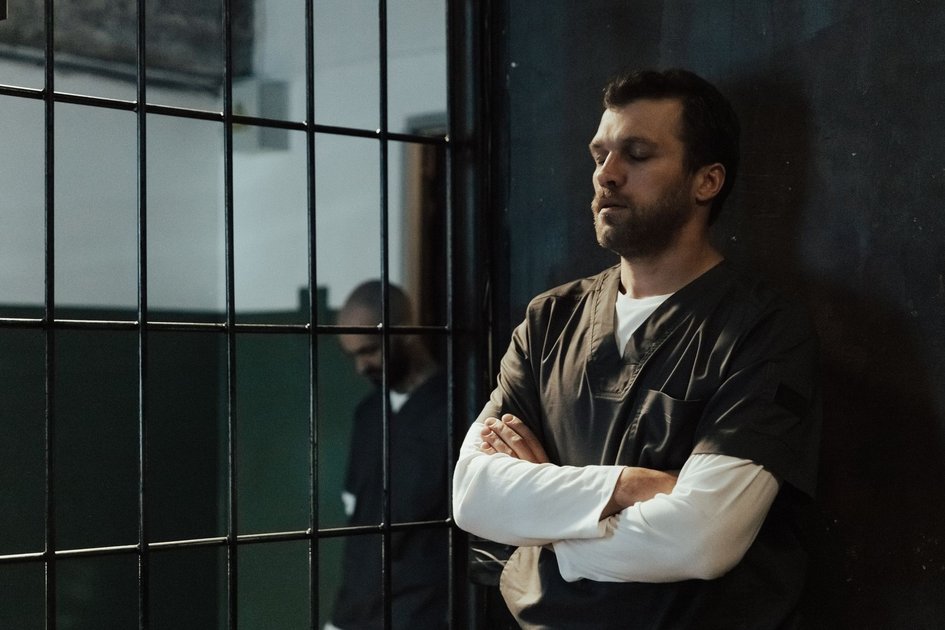
Erik Menendez, convicted alongside his brother Lyle for the 1989 murders of their parents, was denied parole on Thursday, July 9, 2026, following a lengthy virtual hearing. The decision by the California Parole Board means Menendez, 54, will not be eligible to seek early release again until 2028.
The ruling, handed down by Parole Board Commissioner Robert Barton, cited Menendez’s continued willingness to commit crimes and violate prison rules as the primary factor in rejecting his request. Commissioner Barton explicitly stated that Menendez continues to pose an unreasonable risk to public safety, despite giving significant weight to youth offender factors in the review.
This outcome arrives just over 36 years after the brutal killings of Jose and Kitty Menendez in their Beverly Hills home. The denial casts a shadow over the family’s hopes for Erik’s freedom, particularly as attention now shifts to his older brother, Lyle Menendez, whose own parole hearing was scheduled for yesterday, Friday, July 10, 2026.
Parole Board Cites Prison Misconduct and Public Safety Risk
The virtual hearing, which commenced at 8:45 AM PT and spanned ten hours, saw Erik Menendez participate remotely from the Richard J. Donovan Correctional Facility in San Diego. Commissioner Barton, along with a deputy commissioner and Parole Board Executive Officer Scott Wyckoff, presided over the proceedings, with Deputy LA County District Attorney Habib Balian arguing against parole.
Central to the Parole Board’s decision was Menendez’s conduct during his decades of incarceration. Commissioner Barton meticulously reviewed a history of infractions, which included threatening behavior towards California Department of Corrections and Rehabilitation (CDCR) officials, drug use, and more recent violations.
These recent transgressions included inappropriate contact with his wife while their nine-year-old daughter was present, alleged involvement with prison gangs in a tax scam, and possession of an unauthorized smartphone. These incidents, particularly the smartphone violations, became a focal point of the questioning, leading Commissioner Barton to accuse Menendez of having lied about certain aspects of his past, including not disclosing alleged sexual abuse by his brother Lyle to corrections staff.
Conflicting Narratives: Self-Defense Claims and Remorse
During the hearing, Menendez addressed his past, describing his youth as impulsive and entitled. He reiterated the long-standing defense that he felt he had no choice but to kill his parents on August 20, 1989, claiming his father, Jose Menendez, intended to rape him that night. He stated, “Dad was going to come to my room and rape me that night. That was going to happen. One way or another. If he was alive, that was going to happen.”
However, a critical moment occurred when Commissioner Barton directly questioned Menendez about whether the shotgun killings constituted self-defense. Menendez, who had previously written a letter asserting self-defense, refuted that claim, responding with a simple “No.” He expressed profound regret, stating, “I wish to God I did not do that,” referring specifically to reloading his shotgun to kill his already wounded mother, Kitty Menendez, that night.
The killing of Kitty Menendez has consistently been a complicating factor in the brothers’ case. Commissioner Barton directly addressed this, telling Erik Menendez via video, “The killing of your mother especially showed a lack of empathy and reason.” He further described the act as “devoid of human compassion,” highlighting the board’s concern over the brutality of the crime, particularly given that Kitty Menendez was also allegedly a victim of domestic violence.
District Attorney’s Stance and Family’s Response
Los Angeles County District Attorney Nathan Hochman has maintained a firm stance against the Menendez brothers’ release. Just this week, Hochman reiterated his office’s position, stating, “The Menendez brothers have never fully accepted responsibility for the horrific murders of their parents, instead continuing to promote a false narrative of self-defense that was rejected by the jury decades ago.” He emphasized that the brothers have not demonstrated full insight into their crimes or rehabilitation, thus continuing to pose a risk to society.
Following the Parole Board’s decision, DA Hochman praised the outcome, asserting, “The Board correctly determined that Erik Menendez’s actions speak louder than words, and that his conduct in prison and current mentality demonstrates that he still poses an unreasonable risk of danger to the community.” He commended the board for not succumbing to public spectacle or pressure, thereby upholding the integrity of the justice system.
Despite the denial, the Menendez family expressed unwavering support for Erik. In a statement released after the decision, they conveyed disappointment but affirmed their belief in Erik, stating he would take the board’s recommendation in stride. The family, many of whom participated in the hearing, also voiced cautious optimism for Lyle’s upcoming parole review, hoping the commissioner would recognize his alleged transformation and readiness for release.
Broader Context and Legal Implications
The Menendez case, which garnered significant media attention during its initial trials in the 1990s, has seen a resurgence in public interest due to recent documentaries and series, including Netflix’s “Monsters: The Lyle and Erik Menendez Story.” This renewed focus has brought the brothers’ claims of sexual abuse by their father back into the public discourse, influencing some calls for reconsideration of their sentences or new trials.
Indeed, a habeas petition seeking a new trial based on new evidence of alleged sexual abuse by their father remains active before the courts. This legal avenue represents a separate, ongoing effort by the brothers’ legal team to challenge their convictions, independent of the parole process. The legal landscape surrounding such high-profile cases often involves multiple simultaneous challenges, as seen with attorneys requesting new trials in other complex criminal matters.
The denial of parole for Erik Menendez underscores the stringent criteria applied in cases involving severe violence, particularly when there is a documented history of prison rule violations. Parole boards must balance rehabilitation efforts against the paramount concern of public safety, often weighing a prisoner’s expressed remorse against their institutional record and the nature of their original crime. This decision reflects a judicial system that, as reported by Deadline, remains cautious about releasing individuals convicted of such heinous acts, especially when questions of full responsibility and insight into their actions persist.
Frequently Asked Questions
What was the primary reason for Erik Menendez’s parole denial?
The Parole Board denied Erik Menendez’s parole primarily due to his continued willingness to commit crimes and violate prison rules, leading Commissioner Robert Barton to conclude that he still poses an unreasonable risk to public safety.
When will Erik Menendez be eligible for parole again?
Erik Menendez will not be eligible to seek early release again until 2028, according to the Parole Board’s decision.
What is the status of Lyle Menendez’s parole hearing?
Lyle Menendez’s parole hearing was scheduled for yesterday, Friday, July 10, 2026. The outcome of his hearing is pending and will be closely watched following his brother’s denial.
Conclusion
The California Parole Board’s denial of parole for Erik Menendez reaffirms the judicial system’s emphasis on consistent conduct and demonstrated rehabilitation, particularly in cases of profound violence. While the family and legal team may pursue further legal challenges, including the active habeas petition for a new trial, Erik Menendez will remain incarcerated until at least 2028. The focus now shifts to the outcome of Lyle Menendez’s parole hearing, which will undoubtedly be influenced by the precedent set by his younger brother’s denial and the ongoing scrutiny of their decades-old case.

Trust Post Desk
A journalist and editor at TrustPost.org covering world and national news, technology updates and human-interest stories. They check every fact, interview sources in person or online, and aim to deliver clear, accurate reporting. Their work ranges from breaking news to in-depth features and daily newsletters. Outside the newsroom, they follow emerging trends and engage with readers on social media.