Choosing the best cat litter is not just about picking the most popular brand. The right litter affects your cat’s comfort, your home’s cleanliness, odor control, and how easy daily maintenance feels.
Different litters behave very differently. Some clump tightly, others absorb moisture without clumping. Some control odor well but create dust. Others are natural and lightweight but track more around the house. Cats also have preferences. A litter that works well for one cat may cause another to avoid the litter box completely.
This guide breaks down the best cat litters in detail. Each option is explained clearly, including how it works, what it does well, where it falls short, and who it is best suited for. The goal is to help you choose confidently, without guessing.
Quick Cat Litter Buying Tips
- Try small bags first. Before committing to a large quantity, test a small bag so you can see how your cat responds. Some cats are picky about texture or scent.
- Use a litter mat. If tracking is still a problem, a good mat can trap granules before they hit floors.
- Scoop daily. Frequent scooping helps keep odors under control no matter which litter you use.
- Replace all litter periodically. Even strong litters benefit from a full change every few weeks for freshness.
- Match litter to box type. Deeper boxes work well with clumping litters; shallow boxes can work with lighter options.
Cat Litter Comparison Table
| Cat Litter | Material Type | Odor Control | Clumping | Dust Level | Tracking | Best Use Case |
|---|---|---|---|---|---|---|
| Dr. Elsey’s Ultra Premium | Clumping clay | Strong | Excellent | Low | Moderate | Best all-around |
| Arm & Hammer Clump & Seal | Clumping clay | Excellent | Very Good | Moderate | Moderate | Odor control focus |
| World’s Best Cat Litter | Corn / plant | Good | Good | Low | Higher | Natural / eco option |
| Tidy Cats Clean Paws | Clumping clay | Good | Good | Low | Low | Low tracking homes |
| Yesterday’s News | Recycled paper | Moderate | No | Very Low | Moderate | Kittens / sensitive cats |
| Fresh Step Multi-Cat | Clumping clay | Strong | Very Good | Moderate | Moderate | Multi-cat households |
1. Dr. Elsey’s Ultra Premium Clumping Cat Litter: Best Overall Cat Litter
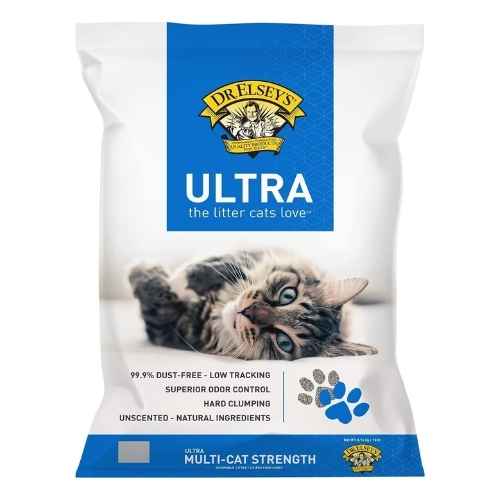
Dr. Elsey’s Ultra Premium Clumping Cat Litter is often considered the most balanced option because it performs well across all major areas: clumping, odor control, dust level, and usability.
This litter is made from sodium bentonite clay, a material known for its ability to absorb liquid quickly and form solid clumps. When urine hits the litter, it binds almost instantly, creating firm clumps that stay intact during scooping. This prevents waste from breaking apart and spreading through the box.
Odor control is handled through absorption rather than strong fragrance. That makes it suitable for cats that dislike scented litter. The low-dust formula also helps reduce respiratory irritation, especially in enclosed spaces or homes with multiple litter boxes.
Another advantage is consistency. The granules are evenly sized, which helps cats feel comfortable digging and covering waste without sinking too deeply or kicking litter out of the box.
Pros
- Forms very hard, scoopable clumps
- Controls odor without heavy scent
- Produces less dust than most clay litters
Cons
- Heavier than natural or plant-based litters
- Still tracks slightly outside the box
Best suited for
- Single or multi-cat households
- Owners who want strong clumping and low maintenance
2. Arm & Hammer Clump & Seal Cat Litter: Best Cat Litter for Odor Control
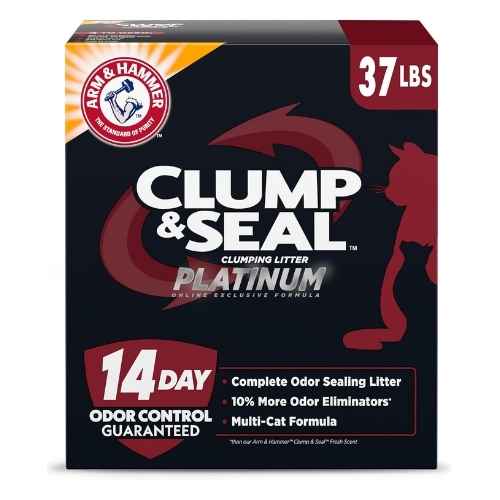
Arm & Hammer Clump & Seal is designed specifically to deal with strong litter box odors, which is the main concern for many cat owners, especially in apartments or homes where the litter box is placed indoors.
This litter is made from clumping clay combined with baking soda technology. Baking soda helps neutralize ammonia odors rather than just covering them up. When moisture hits the litter, it forms tight clumps that seal waste inside, limiting how much odor escapes into the air.
One noticeable difference with this litter is how quickly it reacts to moisture. Urine is absorbed fast, which reduces the chance of smells spreading before scooping. The clumps stay compact, making it easier to remove waste without disturbing clean litter around it.
Arm & Hammer offers both scented and unscented versions. The unscented option is usually better for cats that are sensitive to smells, while the lightly scented versions help further reduce odor in high-use boxes.
Pros
- Excellent odor neutralization
- Tight clumps that trap smell
- Works well in small or poorly ventilated spaces
Cons
- Scented versions may bother sensitive cats
- Slightly higher price than basic clay litter
Best suited for
- Apartments and small homes
- Owners who struggle with litter box odor
- Multi-cat households with frequent box use
3. World’s Best Cat Litter: Best Natural Cat Litter
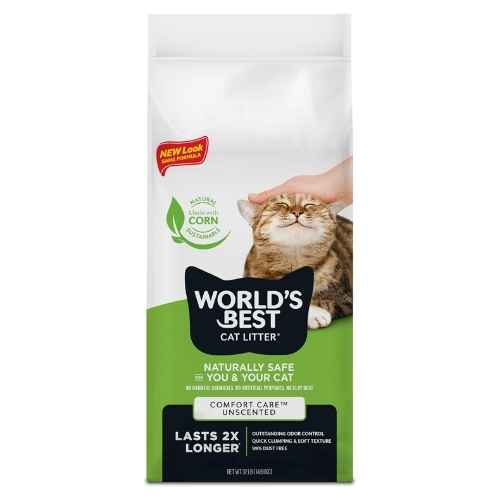
World’s Best Cat Litter is a popular choice for cat owners who want a natural alternative to clay litter without giving up clumping performance.
This litter is made from whole-kernel corn, which naturally absorbs moisture and helps control odor. Unlike many natural litters that fall apart when scooped, this one forms clumps that hold together reasonably well, though they are softer than clay clumps.
Because it’s plant-based, the litter is lighter in weight, making it easier to carry, pour, and replace. It also produces very little dust, which is helpful for cats or owners with respiratory sensitivity. Odor control is effective in single-cat homes, but it can struggle in boxes that see heavy use.
Another factor to consider is tracking. The granules are smaller and lighter than clay, so some tracking outside the box is common. Using a litter mat helps reduce this issue.
Pros
- Made from natural, biodegradable materials
- Low dust and lightweight
- No artificial fragrances
Cons
- Tracks more than heavier litters
- Odor control weakens in multi-cat homes
Best suited for
- Eco-conscious cat owners
- Single-cat households
- Cats sensitive to dust or strong scents
4. Tidy Cats Clean Paws: Best Low-Tracking Cat Litter
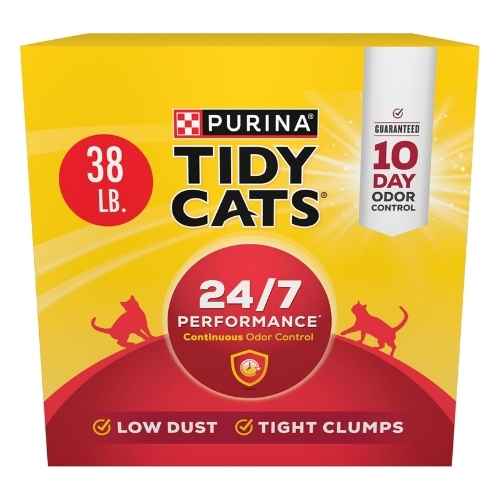
Tracking is one of the most common complaints cat owners have. It happens when litter sticks to a cat’s paws and gets carried onto floors, furniture, and carpets. Tidy Cats Clean Paws is designed specifically to reduce how much litter leaves the box.
This litter uses larger, heavier clay granules compared to standard clumping litters. Because the pieces are heavier, they are less likely to cling to paws or fur. When cats step out of the box, most of the litter falls back in instead of being tracked through the house.
Clumping performance is solid. Urine forms firm clumps that hold together during scooping, which keeps the rest of the box cleaner. Odor control is reliable, though not as aggressive as litters designed purely for smell control.
Dust levels are moderate to low, especially compared to older clay formulas. This helps keep surfaces cleaner around the litter area.
Pros
- Significantly reduces litter tracking
- Forms stable, scoopable clumps
- Cleaner floors around the litter box
Cons
- Heavier granules mean heavier bags
- Not as strong on odor control as some competitors
Best suited for
- Homes with carpets or rugs
- Owners tired of sweeping litter daily
- Cats that tend to kick litter out of the box
5. Purina Yesterday’s News: Best Non-Clumping Cat Litter
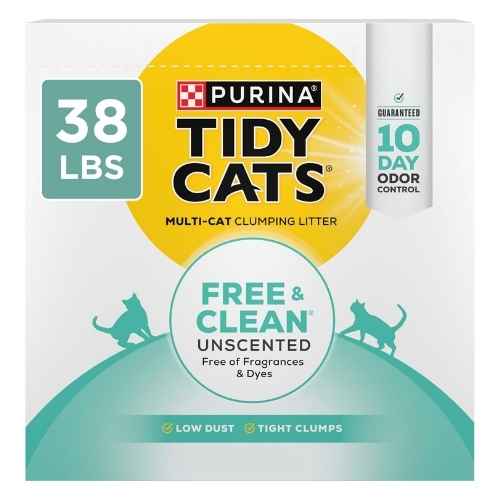
Yesterday’s News is a non-clumping cat litter made from recycled paper, designed for situations where traditional clay litter is not ideal. It works very differently from clumping litter and serves a specific purpose rather than trying to do everything.
Instead of forming clumps, this litter absorbs moisture into paper pellets. The pellets swell slightly as they absorb liquid, helping control odor through absorption rather than binding. Because there’s no clumping, waste is removed by scooping solid matter and replacing saturated pellets as needed.
One of the biggest advantages is comfort and safety. The paper pellets are soft on paws and produce almost no dust, which makes this litter suitable for kittens, older cats, or cats recovering from surgery. It’s also less likely to stick to wounds or be inhaled.
Odor control is decent for urine but weaker for feces compared to clumping clay. Daily maintenance is more important to keep smells under control.
Pros
- Extremely low dust
- Gentle on paws and safe for medical recovery
- Made from recycled materials
Cons
- Does not clump
- Requires more frequent full litter changes
- Weaker odor control in high-use boxes
Best suited for
- Kittens learning to use the litter box
- Cats after surgery or with sensitive paws
- Owners who want a dust-free option
6. Fresh Step Multi-Cat Litter: Best Cat Litter for Multiple Cats
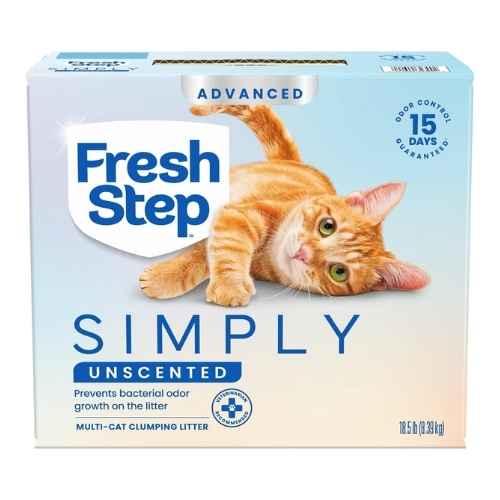
Multi-cat homes put much more stress on a litter box. The litter has to handle frequent use, strong odors, and repeated moisture exposure without breaking down. Fresh Step Multi-Cat Litter is made specifically for that kind of environment.
This litter uses clumping clay with added odor-absorbing compounds. It reacts quickly when urine hits the surface, forming clumps that stay firm even when the box is used many times a day. This prevents old waste from breaking apart and mixing into clean litter.
Odor control is one of its stronger points. The formula is designed to neutralize ammonia smells that build up faster in shared litter boxes. While it does contain fragrance, it is usually mild enough for most cats when the box is cleaned regularly.
Because multiple cats often dig aggressively, this litter’s consistency helps reduce breakdown and sludge at the bottom of the box.
Pros
- Handles frequent use without turning mushy
- Strong odor control for shared boxes
- Fast and firm clumping
Cons
- Fragrance may not suit scent-sensitive cats
- Tracking can occur without a litter mat
Best suited for
- Homes with two or more cats
- Owners who scoop more than once a day
- Shared or high-traffic litter boxes
How to Choose the Best Cat Litter for Your Home
Choosing cat litter isn’t one-size-fits-all. Here’s a clear guide to help you decide based on your specific needs:
1. Odor Control Comes First
If smell is your biggest concern — especially in small spaces like apartments — pick a litter engineered for odor control, such as Arm & Hammer Clump & Seal or Fresh Step Multi-Cat. These are formulated to lock in ammonia and waste odor more effectively than basic litters.
2. Clumping Means Easier Scooping
Clumping litter forms firm clumps that make scooping fast and clean. If convenience is your priority, clay litters like Dr. Elsey’s Ultra Premium or Fresh Step Multi-Cat are excellent choices.
3. Low Dust for Health and Cleanliness
Dust can cause irritation for both cats and humans, especially in homes with respiratory sensitivities. Natural and paper litters like World’s Best and Yesterday’s News produce very little dust.
4. Tracking Depends on Granule Size
If you’re tired of litter everywhere, choose a low-tracking option with heavier granules like Tidy Cats Clean Paws. Larger granules are less likely to cling to paws and spread.
5. Special Cases: Kittens and Sensitive Cats
For kittens, cats recovering from surgery, or those with sensitive paws, softer non-clumping options like Yesterday’s News are safer and more comfortable.
6. Multi-Cat Homes Need Heavy-Duty Performance
If you have more than one cat, odor and moisture build up faster. Litters designed for heavy use like Fresh Step Multi-Cat or any strong clay clumping formula are your best bet.
Frequently Asked Questions About Cat Litter
For most homes, clumping clay litter works best because it is easy to clean, controls odor well, and lasts longer between full changes. Options like Dr. Elsey’s Ultra Premium offer a good balance of clumping strength, odor control, and low dust.
Yes. Clumping litter is safe for adult cats when used as directed. For kittens under four months or cats recovering from surgery, non-clumping litter is usually recommended to avoid ingestion or irritation.
Litters designed specifically for odor control, such as Arm & Hammer Clump & Seal and Fresh Step Multi-Cat, are the most effective. They neutralize ammonia smells rather than just masking them.
Paper-based and plant-based litters produce the least dust. Yesterday’s News and World’s Best Cat Litter are good options for cats or owners with allergies or breathing sensitivity.
Tracking usually depends on granule size and weight. Lightweight and fine-grain litters tend to stick to paws. Heavier litters like Tidy Cats Clean Paws, combined with a litter mat, help reduce tracking.
You should scoop daily. A full litter change is usually needed every 2–4 weeks, depending on the litter type, number of cats, and how often you scoop.
Yes. Cats can be sensitive to texture, dust, or strong scents. If a cat avoids the litter box after a change, switching back or trying an unscented option is often the solution.
Conclusion
The best cat litter is the one that meets both your cat’s needs and your household’s requirements. Strong clumping clay litters work well for most homes, especially when odor control and easy cleaning are priorities. Natural and paper-based litters serve specific purposes, such as low dust or extra comfort for sensitive cats.
There is no perfect litter for everyone. The right choice depends on factors like the number of cats you have, how sensitive they are to dust or scent, and how much tracking or odor you can tolerate. By understanding how each type of litter works, you can choose confidently and keep the litter box clean, comfortable, and easy to manage.
Also read