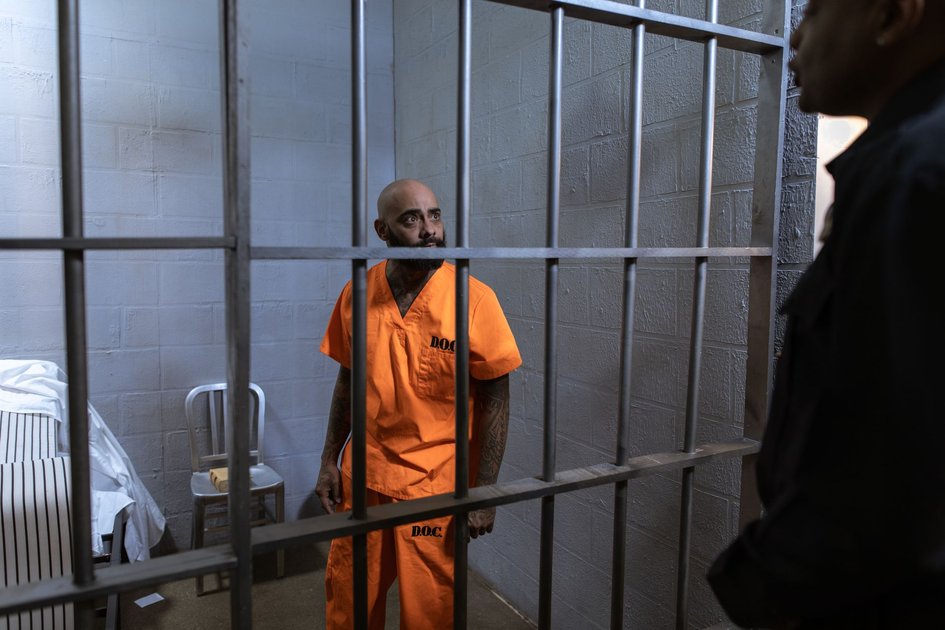
A total of 273 convicted prisoners currently occupy condemned cells in prisons across Bangladesh despite the fact that their death sentences have not been finalised, according to information released by the Department of Prison on June 10, 2026. The disclosure has reignited public debate over the country’s prolonged judicial appeal process, solitary confinement practices, and the treatment of death row inmates awaiting the completion of all legal proceedings, including mercy petitions.
The convicts in question were sentenced to death by lower courts for serious offences against women and children, a category of crime that carries heightened public outrage and legal severity in Bangladesh. Yet under current law, a death sentence imposed by a trial court is not considered final until all statutory appeals and constitutional remedies have been exhausted. This includes review by the High Court Division, possible leave to appeal to the Appellate Division of the Supreme Court, and in some cases, submission and rejection of a presidential mercy petition.
The prolonged nature of these appellate processes, combined with overcrowded court dockets and limited judicial resources, means that many individuals convicted of these offences remain in condemned cells for years before their sentences are confirmed or commuted. The Department of Prison has not disclosed how long these 273 individuals have been in such confinement, but legal observers note that delays of five to ten years are not uncommon.
Legal Framework Governing Condemned Cell Detention in Bangladesh
The status of death row convicts in condemned cells became a matter of judicial scrutiny following a 2021 writ petition filed on behalf of three death row prisoners held in Chattogram, Sylhet, and Cumilla jails. The petitioners challenged the practice of placing individuals convicted and sentenced to death in solitary confinement immediately after trial, arguing that such treatment violated constitutional rights and international human rights standards.
On May 13, 2025, the High Court Division delivered a landmark judgment prohibiting the confinement of death row convicts in condemned cells until their sentences are finalised through the disposal of all appeals. The court ruled that a convict cannot be classified as a death row prisoner or subjected to solitary confinement until every legal remedy, including mercy petitions, has been exhausted and all official formalities completed. The judgment was hailed by human rights advocates as a step toward aligning Bangladesh’s prison practices with constitutional protections.
However, the state promptly filed a petition seeking a stay on the High Court ruling. The Appellate Division of the Supreme Court granted the stay, effectively suspending the judgment and allowing the continued use of condemned cells pending a full hearing. On October 28, 2025, a three-member bench of the Appellate Division headed by Justice Zubayer Rahman Chowdhury heard the state’s challenge. The matter remains under judicial consideration, and no final order has been issued as of June 2026.
Advocate Mohammad Shishir Manir, representing the original petitioners, stated that the High Court’s reasoning was clear: until all appeals are disposed of, a conviction remains subject to reversal or modification, and therefore the convict should not be treated as if the sentence were final. He noted that the state’s challenge reflects broader concerns about prison management, security, and public safety, but argued that legal protections for the accused must not be subordinated to administrative convenience.
The legal limbo surrounding the High Court judgment means that, as of June 2026, the 273 death row convicts continue to be held in condemned cells despite the original court ruling. The Appellate Division’s eventual decision will determine whether Bangladesh revises its treatment of such inmates or retains the current practice.
Public Safety Concerns and Judicial Delays in Capital Cases
The prolonged detention of 273 individuals in condemned cells without final sentences underscores the systemic delays that plague Bangladesh’s capital punishment framework. Crimes against women and children, including rape, murder, and sexual assault, are prosecuted under laws that mandate the death penalty for certain offences. These cases attract intense public attention and political pressure for swift justice, yet the reality is that final adjudication can take many years.
Public frustration has mounted as high-profile cases involving heinous crimes remain unresolved for extended periods. Victims’ families and advocacy groups have called for expedited appeals processes and stricter enforcement of existing timelines for judicial review. At the same time, human rights organisations caution that rushing capital cases can result in irreversible miscarriages of justice, particularly in a legal system where forensic evidence and witness protections remain underdeveloped.
The Department of Prison’s disclosure of 273 condemned cell occupants comes at a time when Bangladesh’s judiciary faces mounting pressure to clear case backlogs. The High Court and Appellate Division handle thousands of criminal appeals annually, and death penalty cases, which require multiple layers of review, are among the most resource-intensive. Legal experts have pointed to the need for additional judges, specialised benches for capital cases, and reforms to streamline the appeals process without compromising due process rights.
The issue also intersects with broader debates over the death penalty itself. While capital punishment remains legal and widely supported in Bangladesh for certain crimes, international human rights bodies and domestic civil society groups have urged the government to consider a moratorium or abolition. The prolonged pre-execution detention of convicts whose sentences are not yet final adds another dimension to this debate, raising questions about the humane treatment of prisoners and the risk of executing individuals whose convictions may ultimately be overturned.
Similar legal challenges to solitary confinement and death row conditions have been raised in other jurisdictions. In the United States, debates over the prolonged detention of death row inmates have led to judicial scrutiny of early release and sentencing practices, though the constitutional frameworks differ significantly from Bangladesh’s system.
Comparative Analysis and International Standards for Death Row Detention
Bangladesh is one of several South Asian countries that retain the death penalty and use condemned cells to house convicts awaiting execution. However, the use of solitary confinement for individuals whose sentences are not yet final has drawn criticism from international human rights organisations, including Amnesty International and Human Rights Watch.
The United Nations Standard Minimum Rules for the Treatment of Prisoners, known as the Nelson Mandela Rules, set out international guidelines for humane detention. These rules prohibit prolonged solitary confinement, defined as confinement exceeding 15 consecutive days, and require that pre-execution detention conditions respect the inherent dignity of the prisoner. The High Court’s 2025 judgment cited these standards in its reasoning, noting that solitary confinement should not begin until all legal avenues have been exhausted.
Comparative jurisprudence from India, which shares a similar legal tradition with Bangladesh, offers relevant parallels. The Supreme Court of India has ruled in multiple cases that death row convicts are entitled to fair treatment and that prolonged delays in execution can constitute cruel and unusual punishment, warranting commutation of the sentence to life imprisonment. While the US Supreme Court has backed federal regulators in separate administrative contexts, the treatment of death row inmates in the United States has also been subject to constitutional challenges under the Eighth Amendment prohibition on cruel and unusual punishment.
Legal scholars in Bangladesh have argued that the country’s judicial system must balance the need for public safety and accountability for heinous crimes with the constitutional rights of the accused. The current situation, in which 273 individuals remain in condemned cells without final sentences, illustrates the tension between these competing imperatives. Observers note that unless appellate procedures are accelerated and judicial resources increased, the number of convicts in legal limbo is likely to grow.
The Appellate Division’s forthcoming decision will have significant implications not only for the 273 individuals currently affected but also for future capital cases. If the court upholds the High Court’s judgment, prisons will need to reconfigure their detention practices, potentially releasing death row convicts from solitary confinement into general prison populations until all appeals are resolved. If the court sides with the state, the status quo will continue, and condemned cell detention will remain permissible even for convicts whose sentences are not yet final.
Human rights advocates have urged the Appellate Division to consider the broader implications of its ruling, including the psychological and physical toll of prolonged solitary confinement. Studies from jurisdictions around the world have documented the severe mental health consequences of extended isolation, including depression, anxiety, and cognitive impairment. These findings have informed judicial rulings in countries such as Canada and the United Kingdom, where courts have imposed strict limits on the use of solitary confinement.
Frequently Asked Questions
What crimes result in death sentences in Bangladesh?
Death sentences in Bangladesh are imposed for a range of serious offences, including murder, rape, terrorism, drug trafficking, and certain crimes against women and children. The Women and Children Repression Prevention Act of 2000, as amended, provides for capital punishment in cases involving rape resulting in death, gang rape, and other aggravated sexual offences. These laws reflect the country’s stringent legal stance on crimes that cause severe harm to vulnerable populations, and death sentences handed down under these statutes are subject to automatic appellate review by higher courts.
Can death row convicts be kept in condemned cells before their sentences are final?
The legal status of such detention is currently under review by the Appellate Division of the Supreme Court. The High Court ruled on May 13, 2025, that convicts cannot be placed in condemned cells until their death sentences are finalised through the exhaustion of all appeals and mercy petitions. However, the state obtained a stay on this judgment, and the matter has not yet been finally decided. Until the Appellate Division issues its ruling, the practice of placing death row convicts in condemned cells immediately after trial continues in Bangladesh.
How long do appeals in death penalty cases take in Bangladesh?
The duration of appeals in death penalty cases in Bangladesh varies widely depending on factors such as court backlogs, the complexity of the case, and the availability of legal representation. In many instances, the appellate process, including review by the High Court Division and the Appellate Division of the Supreme Court, can take between five and ten years or longer. Delays are often compounded by procedural issues, adjournments, and the volume of pending cases. Legal reforms aimed at expediting capital case appeals have been proposed but not yet implemented on a systematic basis.
Conclusion
The continued detention of 273 death row convicts in condemned cells without final sentences reflects systemic challenges in Bangladesh’s judicial and penal systems. While public demand for accountability in cases involving crimes against women and children remains strong, the protracted appellate process and the legal ambiguity surrounding condemned cell detention raise serious human rights concerns. The Appellate Division’s forthcoming decision on the High Court’s 2025 judgment will be pivotal in determining whether Bangladesh aligns its practices with international standards or retains the current approach.
As the country grapples with these complex legal and ethical issues, the experiences of the 273 individuals currently affected serve as a stark reminder of the need for reforms that balance justice, public safety, and respect for fundamental rights. The outcome of the pending Supreme Court case will shape the future of capital punishment administration in Bangladesh and set important precedents for the treatment of prisoners awaiting final adjudication of their sentences. Tbsnews Report.

Trust Post Desk
A journalist and editor at TrustPost.org covering world and national news, technology updates and human-interest stories. They check every fact, interview sources in person or online, and aim to deliver clear, accurate reporting. Their work ranges from breaking news to in-depth features and daily newsletters. Outside the newsroom, they follow emerging trends and engage with readers on social media.