
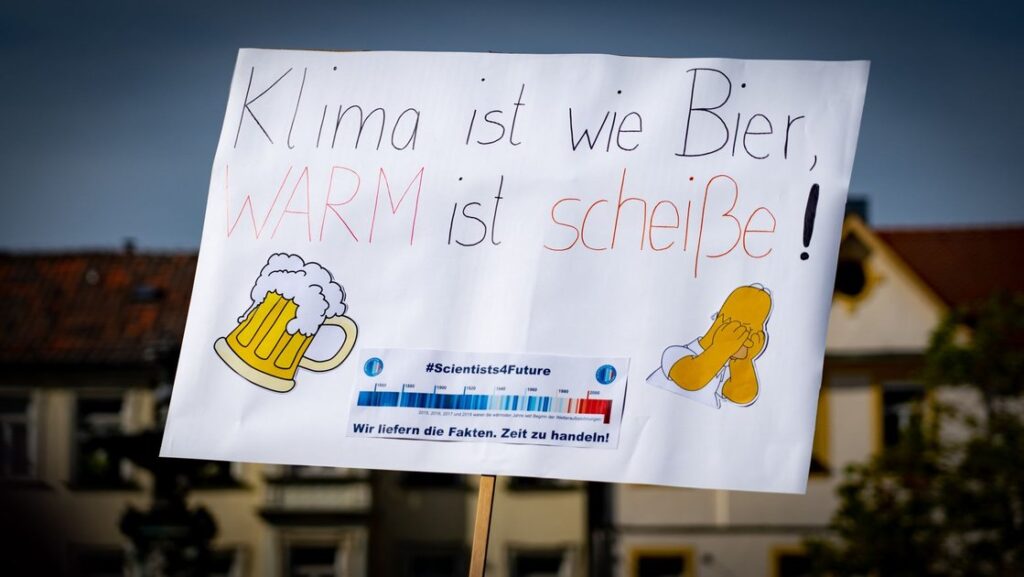
Europe is experiencing its most intense early-summer heat event on record, with temperature anomalies 8-12 degrees Celsius above the seasonal average affecting France, Spain, Italy, Greece, and the Balkans simultaneously – a geographic extent of extreme heat that meteorologists say is consistent with the intensifying pattern of heat extremes that climate models have been predicting and that observational data has increasingly confirmed across the 2020s. The heat wave has already been associated with multiple heat-related deaths across affected countries, strained electrical grids as air conditioning demand reached record levels, and disrupted transportation networks in countries whose infrastructure was built for historical temperature ranges that no longer represent the climate reality.
The World Meteorological Organization confirmed that the first five months of 2026 constitute the hottest January-May period in recorded global history, extending a streak of record-breaking monthly temperature readings that has now lasted more than 24 consecutive months. The consistency and duration of this record-breaking period has prompted several national meteorological agencies to issue statements indicating that the observed temperature trajectory is tracking at or above the most aggressive scenarios from the IPCC’s most recent assessment report.
The Scale of the Current Heat Event
The current European heat wave is notable not just for its peak temperatures but for its geographic breadth and its persistence. Heat waves that affect a single country or region for a few days are climatologically distinct from events that cover an entire continent for two or more weeks, with the latter creating conditions where agricultural systems, water resources, and human health management are strained simultaneously across multiple countries without the possibility of mutual aid from neighboring unaffected regions.
- Spain recorded its highest June temperature in history at 47.3°C in the Andalusian region, exceeding the previous June record by more than two degrees – a margin that meteorologists describe as climatologically extraordinary.
- France’s national electrical grid operator warned of demand strains as air conditioning use reached levels typically associated with July and August, prompting requests for industrial users to voluntarily reduce consumption during peak afternoon hours.
- Agricultural forecasters are revising European wheat and corn harvest projections downward as the heat coincides with critical crop development periods, with the potential food security implications extending beyond European borders through their effect on global commodity prices.
- The Mediterranean Sea surface temperature is tracking 2-3°C above the seasonal average, creating conditions that will sustain and potentially intensify the heat wave through a feedback mechanism where anomalously warm sea surface temperatures reduce the temperature contrast that drives the atmospheric circulation patterns that would otherwise displace the heat dome.
What Climate Science Says About These Events
Attribution science – the discipline that quantifies the contribution of human-caused climate change to specific extreme weather events – has advanced significantly over the past decade to the point where real-time attribution analyses are now possible within days of an extreme event. The World Weather Attribution group’s preliminary analysis of the current European heat wave estimates that the event was made at least 5-10 times more likely by anthropogenic climate change, and that temperatures of this magnitude would have been virtually impossible in the pre-industrial climate.
The broader climate context for the 2026 heat wave includes the ongoing influence of the El Nino event that began in late 2023 and has persisted at moderate strength through 2025 and into 2026, adding additional warming to an already warming baseline. The combination of long-term anthropogenic warming and the shorter-term El Nino cycle creates compound conditions where record temperatures become more likely and their magnitudes more extreme than either driver would produce independently.

Get the TrustPost briefing
The stories that matter, in your inbox. No spam, unsubscribe anytime.
Newsletter signup will be available soon.
Related stories

Best Instagram Hashtag Generators in 2026: Free and Paid Tools
Instagram hashtag generators are now essential tools for content creators, helping discover the right tags faster and improving reach across every niche. Instead of manually researching hashtags one by one, these tools…

Dopamine Sites: The Viral Trend Where Gen Z Shops Without Buying Anything
Dopamine sites are fake versions of delivery and shopping apps where users go through the full checkout experience without spending money or receiving anything. The viral trend from South Korea reveals something uncomfortable about how modern e-commerce is designed.

How to Build a Morning Routine That Actually Sticks
A morning routine does not need to be long to be effective. Even a focused 15 minutes changes your output and mood for the entire day. Here is how.