In a surprising turn of events, former President Donald Trump has announced that he will headline the upcoming Great American State Fair, kicking off a celebration of America’s 250th anniversary on June 24. This announcement comes in the wake of multiple high-profile musical acts dropping out of the event, citing concerns over its ties to Trump and the political implications of performing at a fair associated with the former president. The decision to have Trump as the centerpiece of the celebration has sparked a mix of enthusiasm and controversy, reflecting the ongoing cultural and political divisions in the United States.
The Great American State Fair: A Celebration of History
The Great American State Fair, organized by the group Freedom 250, aims to celebrate the nation’s 250 years of independence with a series of events, performances, and exhibits. Set to take place on Washington’s National Mall from June 25 through July 10, the fair promises family-friendly attractions, musical performances, and even military flyovers. However, the attention has quickly shifted to the event’s opening day, when Trump is set to take the stage.
As the fair’s organizers noted in a statement, “we are excited to announce that President Trump will personally kick off this historic celebration on Wednesday, June 24.” This news follows a series of withdrawals by artists who were initially slated to perform, including Bret Michaels, the Commodores, and Martina McBride. These artists expressed their discomfort with the event’s overt political connections, leading to a significant reshuffling of the performance lineup.
Artists Withdraw Amid Controversy
The controversy surrounding the Great American State Fair intensified last week when several artists announced their decision to pull out. Bret Michaels and others indicated that they felt misled about the fair’s nonpartisan claims, with Michaels stating he was wary of participating in an event that might become a political battleground. In a statement made via social media, McBride clarified, “I had been presented with an opportunity to perform at a nonpartisan event but that turned out to be misleading.”
This wave of withdrawals has not only affected the fair’s lineup but has also raised questions about the role of artists in politically charged environments. The backlash from artists reflects a broader trend in the entertainment industry, where many feel compelled to navigate the complex intersections of politics and performance.
Trump’s Response to Artist Concerns
In response to the backlash, Trump took to his social media platform Truth Social, where he addressed the situation directly. He remarked, “I understand Artists are getting ‘the yips’ having to do with their performance,” insinuating that the withdrawals were a result of fear rather than genuine concerns about the event. Trump’s announcement that he would step in as the headliner has been met with mixed reactions, with some supporters expressing excitement at the prospect of his performance, while critics decry the politicization of what was intended to be a celebratory event.
The Lineup: Who Will Perform?
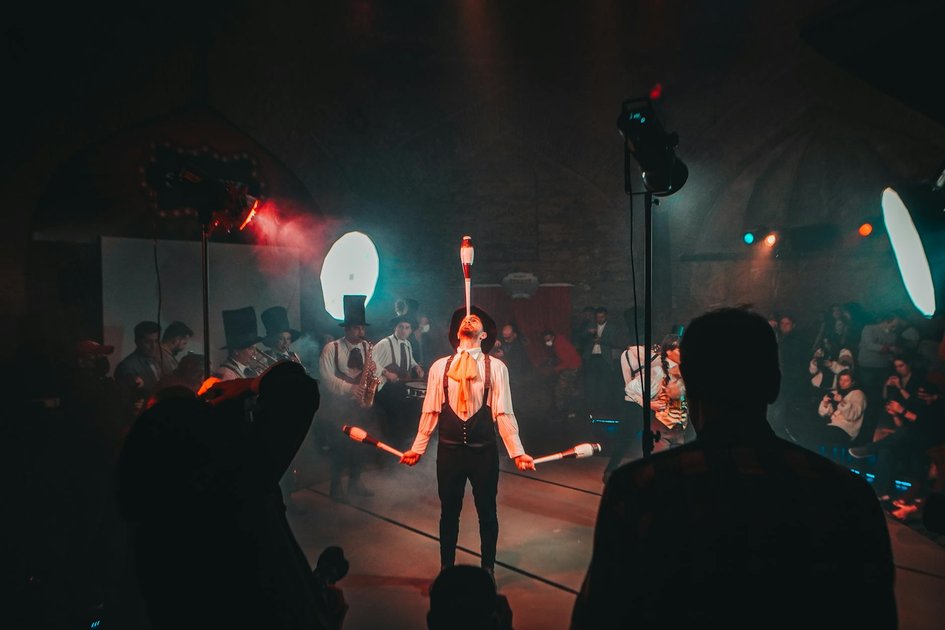
Despite the high-profile withdrawals, the Great American State Fair will still feature other artists, including Flo Rida, Fab Morvan of Milli Vanilli, and Vanilla Ice. Vanilla Ice’s representative stated that the rapper is “proud to help celebrate America’s 250th Anniversary!” This eclectic mix of artists further emphasizes the fair’s attempt to balance entertainment with the historical significance of the event.
The inclusion of Trump as the headliner has undoubtedly overshadowed the rest of the lineup, drawing attention away from the other performances. Organizers are hoping that the fair will still attract a wide audience, balancing the political elements with family-friendly activities and attractions.
The Broader Implications of Trump’s Headlining Role
Trump’s decision to headline the Great American State Fair brings forth significant implications for the intersection of politics and entertainment. As the fair aims to celebrate a historic milestone in American history, the involvement of a polarizing figure like Trump raises questions about the event’s intended purpose and the nature of public celebrations in a deeply divided political landscape.
Many experts believe that Trump’s presence could either galvanize his supporters or alienate those who oppose him. The fallout from this decision may extend beyond the fair itself, influencing how future events are organized and how artists approach participation in politically charged celebrations.
Moreover, the situation illustrates the ongoing cultural clash in America, where public events are increasingly becoming arenas for political expression. As artists and fans alike navigate these tensions, the Great American State Fair serves as a microcosm of a larger national conversation about identity, celebration, and the role of art in society.
Looking Ahead: What’s Next for Freedom 250?
The Freedom 250 organization, while claiming to be nonpartisan, has been closely associated with Trump since its inception. As the fair approaches, it remains to be seen how the organization will manage the fallout from the artist withdrawals and the heightened political scrutiny surrounding the event. The presence of Trump as the headliner may draw significant media attention, but it also risks overshadowing the fair’s broader goals of celebrating American history and unity.
As the nation prepares to mark its 250th anniversary, the Great American State Fair stands at a crossroads—where celebration meets controversy, and history intertwines with politics. With Trump set to take the stage, all eyes will be on Washington’s National Mall to see how this pivotal moment unfolds.

Trust Post Desk
A journalist and editor at TrustPost.org covering world and national news, technology updates and human-interest stories. They check every fact, interview sources in person or online, and aim to deliver clear, accurate reporting. Their work ranges from breaking news to in-depth features and daily newsletters. Outside the newsroom, they follow emerging trends and engage with readers on social media.