The Department of Prisons in Bangladesh disclosed figures that have reignited urgent debate over the treatment of death row inmates and the prolonged judicial delays affecting their fate. According to information released one hour ago, 273 prisoners who have been convicted and sentenced to death for serious crimes against women and children remain confined in condemned cells across the country’s prison system. These prisoners are awaiting the finalization of their death sentences through the completion of all appeal processes, a procedure that can take more than a decade in many cases.
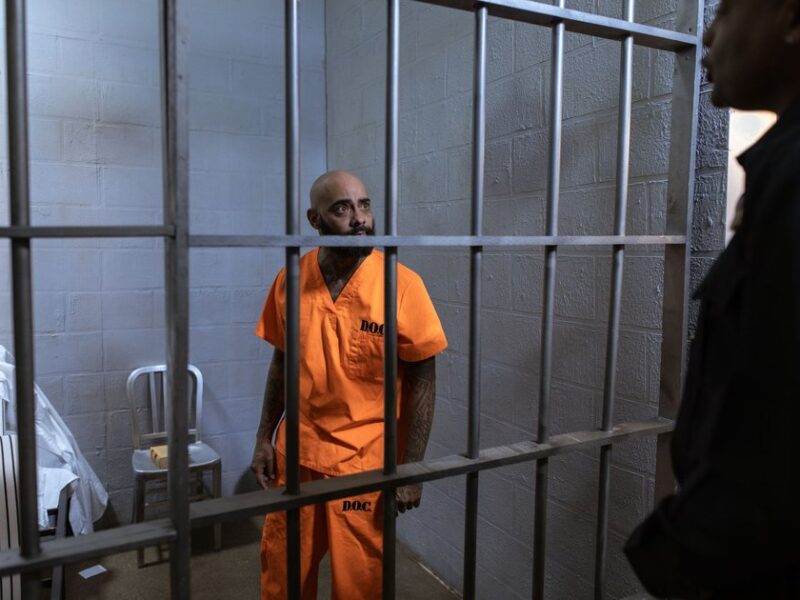
The revelation comes amid mounting public frustration over both the slow pace of justice and the severe conditions inmates endure while awaiting final legal determinations. Many of these prisoners have spent years in solitary confinement in cells measuring approximately 10 feet by 6 feet, where they must eat, sleep, and carry out all daily activities in a space barely larger than a bathroom. Legal experts and human rights advocates have long argued that this extended period of isolation amounts to cruel and degrading treatment that violates both constitutional guarantees and international human rights obligations.
Bangladesh law prescribes the death penalty for 33 types of offences, including murder, rape, and abetment of suicide. However, the path from conviction to execution involves multiple layers of judicial review, including mandatory confirmation by the High Court Division, the right to appeal to the Appellate Division, review petitions, and presidential mercy petitions. While these safeguards are essential to prevent wrongful executions, they have created a system where prisoners can languish in condemned cells for 13 to 14 years on average.
273 Prisoners Face Indefinite Wait in Condemned Cells
The 273 prisoners currently held in condemned cells represent individuals convicted of what Bangladesh law categorizes as the most heinous crimes against women and children. These include cases prosecuted under the Suppression of Violence against Women and Children Act 2000, which carries mandatory death penalty provisions for certain offences.
According to a 2020 study by the Department of Law at the University of Dhaka, prisoners sentenced to death in Bangladesh face lengthy periods of confinement before execution. The research documented that the average time between sentencing and execution ranges from 13 to 14 years, though some prisoners have been held for significantly longer periods.
The Prisons Act 1894 and the Bangladesh Jail Code provide the legal framework governing the treatment of death row inmates, but these colonial-era statutes contain minimal provisions for humane treatment and fail to address modern human rights concerns. The term ‘condemned cell’ itself does not appear in the Prison Act or Jail Code, yet the practice of segregating death row prisoners in separate, isolated cells has become standard throughout Bangladesh’s prison system.
A 2021 investigation by The Daily Star highlighted the severe psychological toll this confinement takes on prisoners, describing the experience as ‘living under the agony of death’ where inmates exist in a state of perpetual uncertainty about their fate.
High Court Ruling and Government Appeal
On 13 May 2025, the High Court Division delivered a landmark judgment prohibiting the confinement of people convicted and sentenced to death in condemned cells until their death sentences are finalized through the disposal of all appeals. The ruling came in response to a writ petition filed in 2021 on behalf of three death row convicts who were kept in condemned cells in Chattogram, Sylhet, and Cumilla jails.
The High Court directed authorities to submit a written report on the facilities provided to 1,987 death row convicts in various jails across the country and issued a rule on 5 April 2022. When the court made the rule absolute in its final judgment, it established that convicts cannot be termed death row prisoners and kept in condemned cells until their sentences are finalized.
Advocate Mohammad Shishir Manir, counsel for the petitioners, explained that according to the High Court verdict, a death row convict can only be kept in solitary confinement when all their appeals, including mercy petitions, are disposed of and all official formalities are completed.
The state subsequently filed a petition seeking a stay on the High Court judgment. The Chamber Judge Court of the Appellate Division stayed the verdict, and on 28 October 2025, a three-member bench of the Appellate Division headed by Justice Zubayer Rahman Chowdhury fixed the date for hearing the state’s appeal. The matter remains pending before the apex court’s regular bench.
Why Legal Delays Prolong Condemned Cell Confinement
The prolonged judicial process in Bangladesh contributes significantly to the extended periods prisoners spend in condemned cells. When a Sessions Judge or Additional Sessions Judge sentences someone to death, the proceedings are automatically forwarded to the High Court Division as a Death Reference Case. The death sentence cannot be carried out unless the High Court Division confirms it, as mandated by Section 374 of the Code of Criminal Procedure 1898.
If the High Court Division affirms the death sentence, the prisoner has the right to appeal to the Appellate Division of the Supreme Court under Article 103(2)(b) of the Constitution. A petition for review of the Appellate Division’s decision is also available under Article 105. Beyond judicial remedies, death-sentenced prisoners have the right to petition for mercy from the president.
This multi-tiered system, while designed to prevent miscarriages of justice, creates years of delay. Courts are overburdened with case backlogs, legal aid services are inadequate, and many prisoners from impoverished backgrounds cannot afford competent legal counsel. A 2023 report noted that legal aid lawyers often fail to communicate effectively with their clients, resulting in poorly prepared defense cases and further delays.
Constitutional and International Rights Violations
Article 35(5) of the Constitution of Bangladesh explicitly prohibits torture and cruel, inhuman, or degrading treatment or punishment. Yet the conditions in condemned cells and the prolonged uncertainty prisoners face have been documented as clear violations of this constitutional guarantee.
Research conducted at the University of Rajshahi examined the human rights of death convicts in condemned cells and found systemic issues including overcrowding, inadequate sanitation, lack of medical care, and prolonged solitary confinement. These conditions violate not only domestic constitutional protections under Articles 27, 31, 32, and 35 but also international human rights obligations.
Bangladesh is a signatory to the International Covenant on Civil and Political Rights and the Convention Against Torture. The United Nations Standard Minimum Rules for the Treatment of Prisoners, known as the Mandela Rules, emphasize the need to respect the inherent dignity of prisoners and prohibit practices like prolonged solitary confinement.
The UN Special Rapporteur on Torture has stated that prolonged solitary confinement amounts to cruel, inhuman, or degrading treatment prohibited under international law. Experts describe the psychological impact as the ‘death row phenomenon,’ characterized by severe anxiety, depression, paranoia, and in some cases suicidal thoughts resulting from years of isolation and uncertainty.
In the 2019 case of Union of India vs Dharam Pal, the Supreme Court in India ruled that solitary confinement prior to the denial of a mercy petition by the president is tragic and clearly unlawful. The court stated that only when the punishment has become final, conclusive, and indefeasible can the prisoner be deemed under sentence of death and subject to special confinement provisions.
Prison Conditions and Systemic Inadequacies
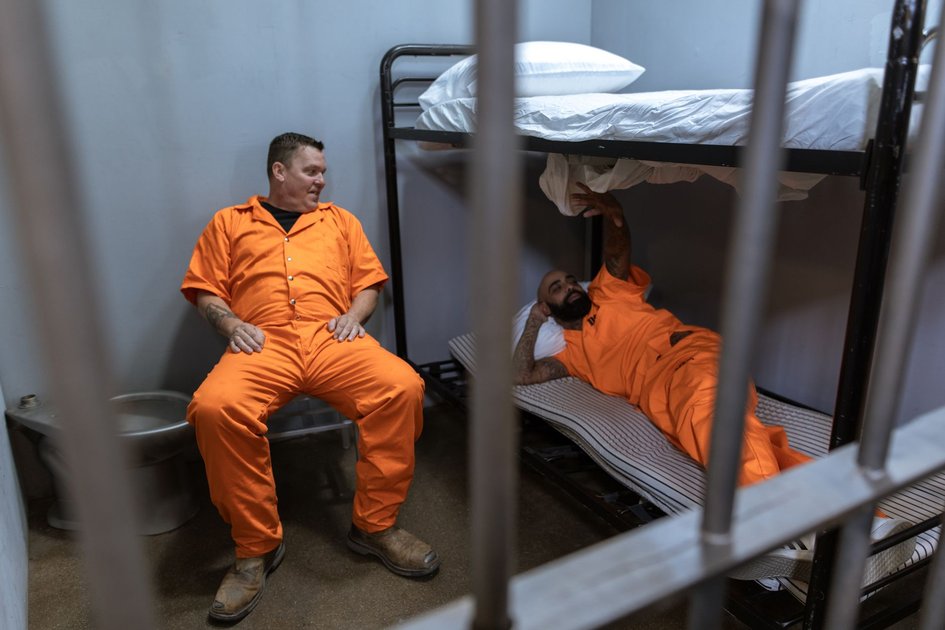
According to the Department of Prisons, as of 2023 Bangladesh’s prisons house more than 89,000 inmates, nearly three times their official capacity of 42,450. Condemned cells, originally designed for one or two individuals, frequently hold three to four inmates, resulting in extreme discomfort and lack of privacy.
Poor sanitation and hygiene standards are endemic. Condemned cells often lack proper toilet facilities, with many prisoners forced to use shared buckets or unhygienic latrines. Access to clean water for drinking and sanitation is severely limited, contributing to outbreaks of waterborne diseases.
Medical care for death row inmates is either severely limited or nonexistent. A 2021 study by Transparency International Bangladesh found that 75 percent of death row inmates had not received medical attention in the past year. Mental health care is virtually absent in Bangladeshi prisons, despite the high levels of psychological distress experienced by inmates awaiting execution.
Prison officials operate under significant constraints, including overcrowded facilities, insufficient budgets, and inadequate staffing. Corruption within the prison system further exacerbates the issue, as resources meant for prisoners are often misappropriated. Many prison officers lack adequate training in human rights principles or the specific needs of vulnerable inmates.
Frequently Asked Questions
What crimes lead to condemned cell confinement in Bangladesh?
Bangladesh law prescribes the death penalty for 33 types of offences. The 273 prisoners currently in condemned cells were convicted of serious crimes against women and children, primarily under the Suppression of Violence against Women and Children Act 2000. These include murder, rape, and related offences that carry mandatory death penalty provisions. The condemned cell population specifically relates to those convicted of crimes targeting vulnerable populations.
How long do prisoners spend in condemned cells before execution?
Prisoners in Bangladesh spend an average of 13 to 14 years in condemned cells awaiting the completion of all appeal processes. Some have remained confined for significantly longer periods. This extended duration results from the multi-tiered judicial review system, which includes mandatory High Court confirmation, rights to appeal to the Appellate Division, review petitions, and presidential mercy petitions. Court backlogs and inadequate legal representation contribute to these delays.
What did the High Court rule about condemned cell confinement?
On 13 May 2025, the High Court Division ruled that convicts cannot be kept in condemned cells until their death sentences are finalized through disposal of all appeals. The court held that a death row convict can only be kept in solitary confinement when all appeals, including mercy petitions, are disposed of and all official formalities are completed. The state has appealed this decision, and the matter remains pending before the Appellate Division.
Conclusion
The revelation that 273 convicted prisoners remain in condemned cells for crimes against women and children underscores fundamental flaws in Bangladesh’s criminal justice and prison systems. While the death penalty remains on the statute books for the most serious crimes, the treatment of those awaiting execution falls far short of constitutional guarantees and international human rights standards.
The pending Appellate Division decision on the High Court’s 2025 ruling will determine whether Bangladesh reforms its practice of prolonged solitary confinement for death row inmates. Regardless of the outcome, comprehensive reforms are urgently needed to address overcrowding, improve sanitation and medical care, provide adequate legal representation, and ensure that the dignity of all prisoners is respected throughout the judicial process.
Until these systemic issues are addressed, the treatment of the 273 prisoners in condemned cells will continue to represent a significant gap between Bangladesh’s stated commitment to human rights and the reality experienced by some of its most vulnerable populations.

Trust Post Desk
A journalist and editor at TrustPost.org covering world and national news, technology updates and human-interest stories. They check every fact, interview sources in person or online, and aim to deliver clear, accurate reporting. Their work ranges from breaking news to in-depth features and daily newsletters. Outside the newsroom, they follow emerging trends and engage with readers on social media.