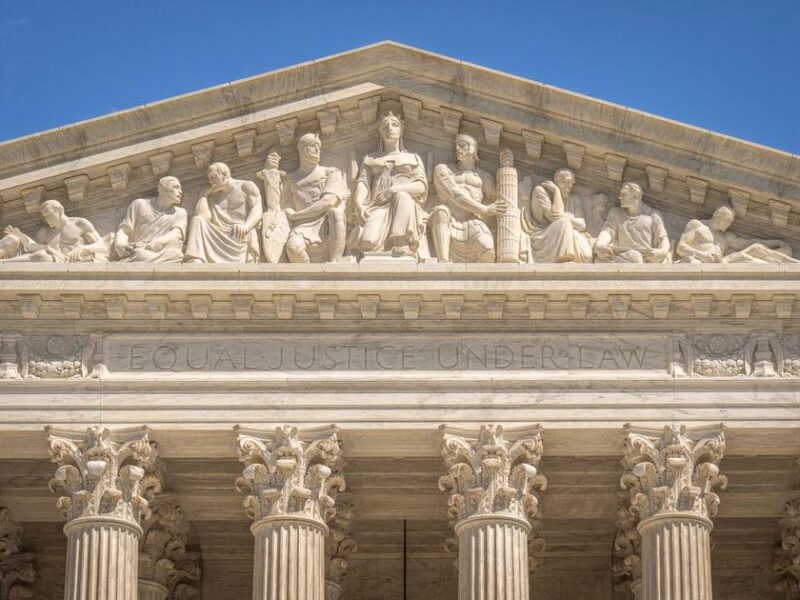
As the U.S. Supreme Court prepares to issue decisions in two pivotal cases concerning transgender athlete participation, the nation braces for potential shifts in legal standards that could reshape the landscape of school sports regulations and broader civil rights protections. The cases, Little v. Hecox and West Virginia v. B.P.J., have sparked intense debate and scrutiny, drawing the attention of educators, policymakers, and advocacy groups nationwide. With oral arguments having concluded in January 2026, the Court’s upcoming rulings are expected to clarify the constitutional rights of transgender students and the legality of state-level restrictions on their participation in sports.
The Cases at Hand
The Supreme Court is set to deliberate on whether state laws restricting transgender athletes’ participation in school sports violate the Equal Protection Clause of the Fourteenth Amendment and conflict with Title IX of the Education Amendments of 1972. In Little v. Hecox, Idaho’s legislature enacted the Fairness in Women’s Sports Act, mandating that athletic competition be based on students’ biological sex assigned at birth. This law was challenged by transgender athletes who argued it discriminates against them based on their gender identity. The U.S. Court of Appeals for the Ninth Circuit found the law unconstitutional, asserting it violated the rights of transgender women and girls.
Similarly, in West Virginia v. B.P.J., a parent filed a lawsuit on behalf of a transgender girl, challenging a state law that barred biological boys from competing on girls’ sports teams. A federal district court initially ruled in favor of the state, but this decision was later overturned by a divided Fourth Circuit Court, which found the law violated the Equal Protection Clause.
Implications for State and Federal Policies
The Supreme Court’s eventual ruling will have significant implications for both state and federal policies regarding transgender rights. Legal experts suggest the decisions could set crucial precedents that inform how lower courts handle similar cases in the future. As the debate around transgender athlete participation intensifies, many states have enacted laws that either restrict or permit participation based on gender identity, resulting in a patchwork of regulations across the country. This inconsistency highlights the urgent need for a definitive ruling from the nation’s highest court.
Potential Outcomes of the Rulings
Legal observers predict that the Court’s decisions may uphold the current bans in 27 states, which could embolden lawmakers to pass even stricter laws. Conversely, a ruling in favor of transgender athletes could reinforce protections under federal law, potentially overriding state restrictions. Chief Justice John Roberts and other justices have raised questions about the applicability of the landmark Bostock v. Clayton County decision, which extended employment protections to LGBTQ+ individuals. The outcome of these cases could determine whether transgender individuals receive equivalent constitutional protections in educational settings.
The Broader Context of Transgender Rights
The ongoing legal battle over transgender athlete participation is part of a larger struggle for LGBTQ+ rights in America. The societal implications of the Supreme Court’s decision extend beyond sports, potentially influencing legislation and public policy in areas such as healthcare access, employment protections, and anti-discrimination measures. Advocacy groups are closely monitoring the proceedings, with many arguing that the legal landscape for transgender individuals is at a critical juncture.
Federal and State Tensions
The cases unfold against a backdrop of heightened tensions between federal and state policies concerning transgender rights. The current federal administration has threatened to withhold funding from schools that do not comply with inclusive policies regarding transgender athletes, adding another layer of complexity to the already contentious issue. As states grapple with these conflicting pressures, some have doubled down on restrictive measures, while others seek to protect transgender rights through more inclusive legislation.
Impact on Educational Institutions and Athletic Organizations
Once the Supreme Court delivers its verdict, educational institutions and athletic organizations will face the challenge of reassessing their policies to ensure compliance with the new legal standards. Many schools have already implemented participation guidelines, but these may require significant adjustments based on the Court’s interpretation of federal law. Legal analysts assert that clarity from the Supreme Court is essential for educational institutions to navigate the evolving legal landscape effectively.
Furthermore, the legal ramifications of the Court’s decision could influence funding structures and compliance requirements for schools. Institutions that fail to align their policies with federal interpretations of Title IX may risk losing essential federal funding, while those that adopt restrictive measures could face legal challenges from civil rights advocates.
Public Sentiment and Advocacy Response
Public interest in the Supreme Court’s impending decisions remains high, with advocacy groups on both sides of the issue actively participating in the discourse. Families, educators, and lawmakers are closely following the proceedings, as the rulings could fundamentally alter the rights of transgender individuals in educational and athletic settings. Both supporters and opponents of current policies have engaged in extensive advocacy efforts, underscoring the deeply polarized nature of the debate.
Regardless of the outcome, experts anticipate that the Supreme Court’s rulings will set important legal benchmarks for future discussions surrounding transgender rights. The decisions will likely resonate beyond the realm of sports, influencing broader conversations about civil rights, education, and the treatment of marginalized communities.
As the legal community and the public await the Supreme Court’s decisions, the stakes could not be higher for the millions of transgender Americans seeking equal treatment under the law. The rulings are expected to be announced by late June 2026, marking a decisive moment in the ongoing fight for transgender rights in America.
In this critical juncture, the Supreme Court has the opportunity to either reinforce protections for transgender individuals or pave the way for more restrictive policies that could undermine their rights. The implications of these decisions will resonate throughout the legal system and society at large, making this one of the most significant civil rights issues of the decade.
For more information on the ongoing debate surrounding transgender athlete policies, visit Brussels Morning, or explore insights from the National Constitution Center and The Legal Feed.

Trust Post Desk
A journalist and editor at TrustPost.org covering world and national news, technology updates and human-interest stories. They check every fact, interview sources in person or online, and aim to deliver clear, accurate reporting. Their work ranges from breaking news to in-depth features and daily newsletters. Outside the newsroom, they follow emerging trends and engage with readers on social media.