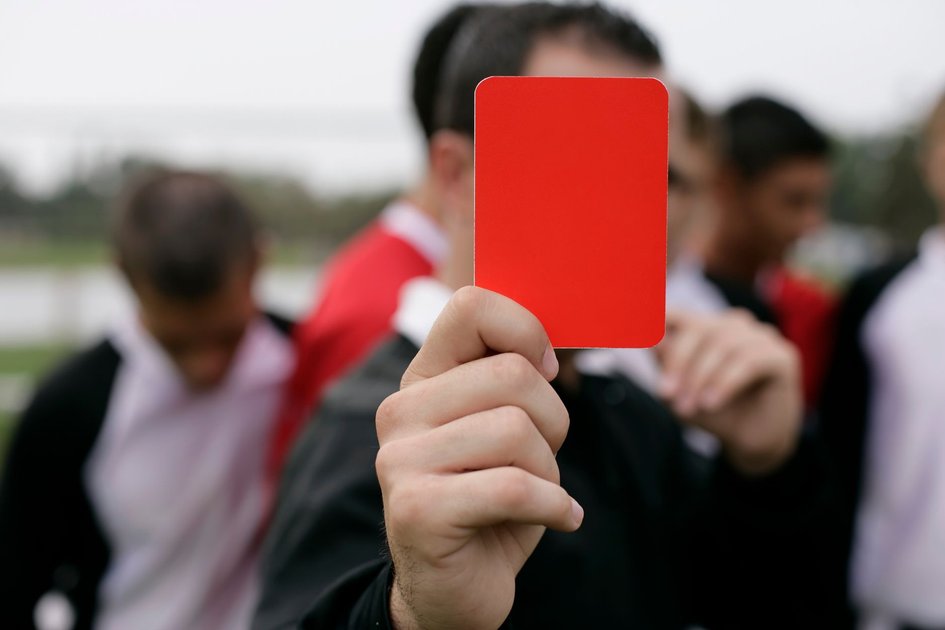
A remarkable moment of refereeing history was made at the 2026 FIFA World Cup when Tim Ream, the veteran US center-back, escaped a yellow card through the application of the ‘mistaken identity’ law in what officials and observers are confirming is the first time this particular rule has been invoked in a World Cup match. The incident has prompted widespread discussion among football fans about a law that most casual viewers did not know existed and that appears to have been designed precisely for this unusual but not impossible scenario.
What Happened and What the Rule Says
The incident began when Ream committed a foul that the referee immediately identified as a bookable offense and prepared to issue a yellow card. However, in the process of reaching for the card, an error occurred – the referee signaled or verbally communicated the yellow card to the wrong player. Recognizing the mistake before the card was formally shown, the referee invoked the ‘mistaken identity’ provision of the Laws of the Game, which allows an official to correct a disciplinary decision that was applied to the wrong player before play resumes.
The law is contained in the IFAB Laws of the Game and provides officials with a narrow window to correct identity errors. The correction requires that the wrong player has not yet received the card formally, that the error is recognized before the match resumes, and that the correct player then receives the appropriate sanction. In Ream’s case, the law was applied correctly – he ultimately received the yellow card that was meant for him, but the process was unusual enough to attract significant attention and widespread media coverage.
- This is believed to be the first documented application of the mistaken identity provision in a FIFA World Cup match, making it a genuine piece of refereeing history.
- The law was specifically introduced following incidents where players attempted to ‘take’ cards on behalf of teammates who were at risk of suspension, creating a perverse incentive that the mistaken identity provision was designed to close.
- Ream’s yellow card stands and counts toward his suspension tally for the tournament.
Reaction From Players and Coaches
The incident generated confusion on the field and in the stadium before officials clarified what had happened. Ream, an experienced international who has played in multiple high-profile tournaments, handled the situation with the composure of a veteran. His manager acknowledged the unusual nature of the incident in his post-match comments while confirming that his understanding of the outcome was that the yellow card was correctly attributed.
Frequently Asked Questions
What happens if a player incorrectly receives a yellow card and the match resumes?
Once the match resumes after a disciplinary decision, the decision becomes official and cannot be changed by the referee. Corrections can only be made before play restarts, which is why the timing of the Ream incident was so important to the correct application of the rule.

Trust Post Desk
A journalist and editor at TrustPost.org covering world and national news, technology updates and human-interest stories. They check every fact, interview sources in person or online, and aim to deliver clear, accurate reporting. Their work ranges from breaking news to in-depth features and daily newsletters. Outside the newsroom, they follow emerging trends and engage with readers on social media.