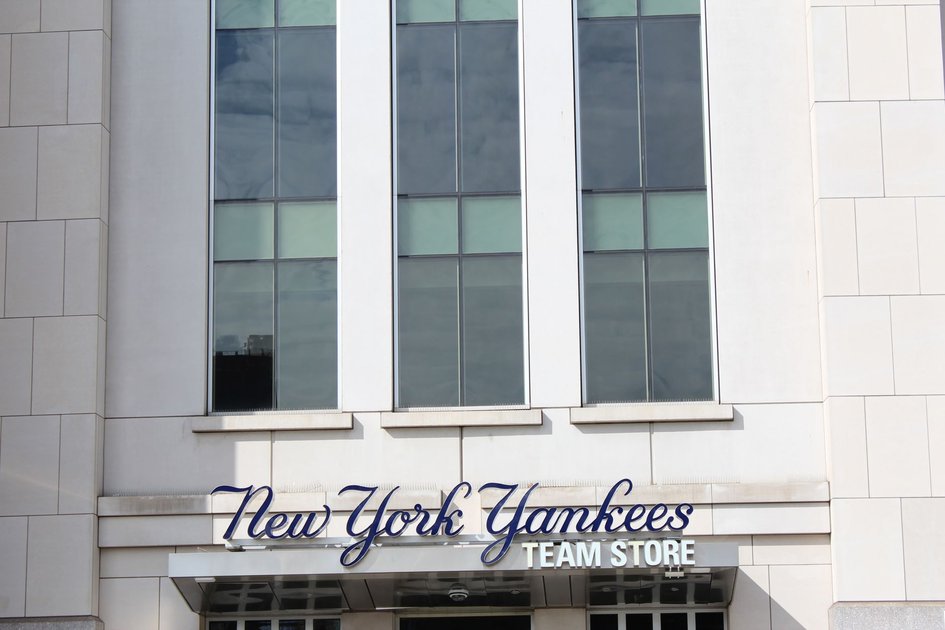
New York Yankees manager Aaron Boone addressed reporters this week with a clear and unambiguous position on the question of whether the organization owes former closer Aroldis Chapman any form of apology for how his tenure with the team ended. The short answer, in Boone’s telling, is no. The longer context involves Chapman’s inconsistent performances in high-leverage situations during his final seasons in New York, the contract decisions the Yankees made around him, and Chapman’s subsequent comments about the organization that have kept the relationship contentious even after his departure.
Chapman, the Venezuelan lefthander who once held the record for the fastest pitch ever recorded in Major League Baseball, had multiple productive stints with the Yankees that made him a genuine fan favorite. His ability to throw the fastball consistently above 100 mph made him one of the most imposing closers in the game at his peak, and his 2016 World Series ring with the Chicago Cubs (acquired at the trade deadline that year) was preceded and followed by important contributions in pinstripes.
What Led to the Friction
The deterioration of Chapman’s relationship with the Yankees organization was gradual and reflected the normal tension that develops when a high-priced veteran reliever loses the elite velocity that justified his contract. Chapman’s fastball velocity declined from the stratospheric levels that made him unhittable to merely excellent, and in baseball, the difference between 101 mph and 96 mph in terms of results is not negligible. Hitters who had been overpowered adjusted, and Chapman’s ERA in his final Yankees seasons reflected the adjustment.
- Boone’s specific comments were measured but definitive – acknowledging Chapman’s contributions while maintaining that the organization’s decisions regarding his usage and eventual departure were based on performance and roster construction, not personal grievance.
- Chapman’s subsequent public comments about his Yankees treatment were perceived within the organization as unfair given the salary and opportunities extended to him during his time in New York.
- The episode illustrates a dynamic common in sports where veterans whose physical decline makes them less effective than their contracts predicted develop grievances that feel genuine to them but look different from the organization’s data-driven perspective.
The Yankees’ Current Bullpen
Whatever the history with Chapman, the Yankees’ focus in 2026 is on the present bullpen situation, which has its own characters and storylines. The team’s current closer and the configuration of high-leverage relief roles represents the evolution of the bullpen management philosophy that Boone and the front office have developed over several years of trial and error with high-profile and high-priced relievers.
Frequently Asked Questions
Where is Aroldis Chapman playing now?
Chapman has continued his career after his Yankees tenure, signing with other MLB organizations. Check current MLB transaction news for his most recent roster status.

Trust Post Desk
A journalist and editor at TrustPost.org covering world and national news, technology updates and human-interest stories. They check every fact, interview sources in person or online, and aim to deliver clear, accurate reporting. Their work ranges from breaking news to in-depth features and daily newsletters. Outside the newsroom, they follow emerging trends and engage with readers on social media.