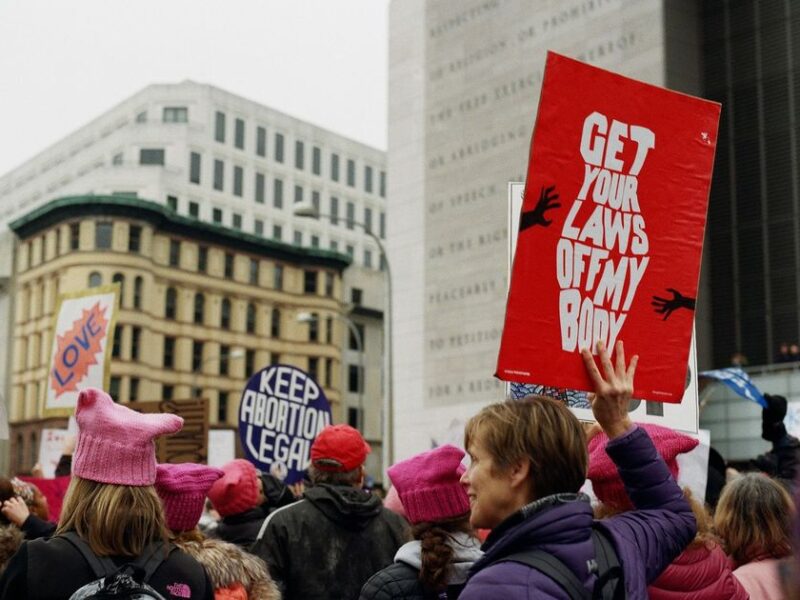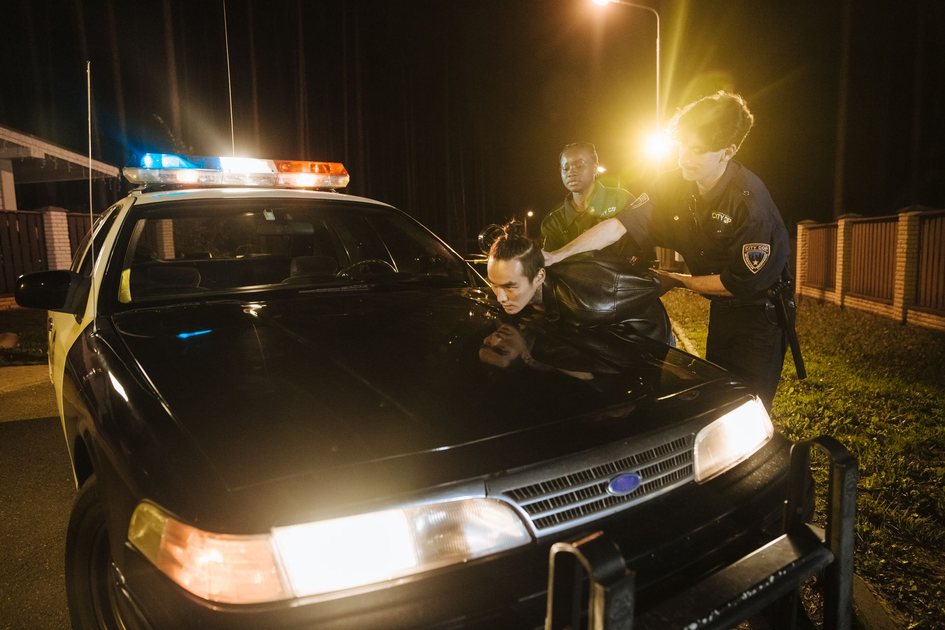
The legal battles over AI facial recognition’s role in criminal justice are intensifying as more wrongful arrest cases surface and civil liberties organizations coordinate litigation strategies designed to establish precedents that constrain how law enforcement can use automated identification technology. The accumulation of documented cases – where facial recognition matches that proved to be errors led to arrests of innocent people – has created a body of evidence that is increasingly difficult for courts, legislatures, and police departments to dismiss as isolated incidents.
The Pattern of Errors
Multiple documented wrongful arrest cases share a common structure: facial recognition software identifies a person as a potential match for a suspect, a detective uses the match as the sole or primary basis for an arrest without independent corroboration, and the arrested person turns out to be innocent. In several cases, the demographic characteristics of the wrongly arrested individuals – disproportionately Black men – align with the documented bias in facial recognition systems toward higher error rates for darker skin tones, connecting individual harms to a systemic pattern.
- Robert Williams in Michigan, Nijeer Parks in New Jersey, and Michael Oliver in Michigan are among the documented cases where men were wrongly arrested based on facial recognition errors, with the cases producing legal settlements and media attention that have fueled broader policy conversations.
- The ACLU and other organizations have been tracking these cases systematically and using them to support legislation in multiple states requiring independent corroboration before facial recognition results can be used as the basis for arrest.
- Several wrongful arrest plaintiffs have received settlement payments from law enforcement agencies, but the settlements typically do not require policy changes and do not establish legal precedents that constrain future use of the technology.
What Legal Reform Would Look Like
The reform proposals advanced by civil liberties organizations and endorsed by many legal scholars would change the legal status of facial recognition matches in criminal proceedings. Rather than treating a high-confidence facial recognition match as evidence sufficient to support probable cause for an arrest, proposed reforms would require that facial recognition matches be treated as investigative leads requiring independent corroboration before being used to justify detention.
Industry and Law Enforcement Responses
Facial recognition technology vendors have responded to these cases by pointing to improvements in accuracy and the role of user training rather than technology limitations. Law enforcement associations have argued that facial recognition is a valuable investigative tool that should be regulated rather than banned, and that policies requiring additional corroboration are already standard in well-run departments. Critics note that voluntary policies are insufficient and that mandatory legal standards are needed to ensure consistent compliance.
Frequently Asked Questions
Is there a federal law governing police use of facial recognition?
As of 2026, there is no comprehensive federal statute governing law enforcement use of facial recognition. Regulation exists at the state and local level, with significant variation between jurisdictions ranging from near-complete bans (San Francisco, Boston) to largely unrestricted use.

Trust Post Desk
A journalist and editor at TrustPost.org covering world and national news, technology updates and human-interest stories. They check every fact, interview sources in person or online, and aim to deliver clear, accurate reporting. Their work ranges from breaking news to in-depth features and daily newsletters. Outside the newsroom, they follow emerging trends and engage with readers on social media.