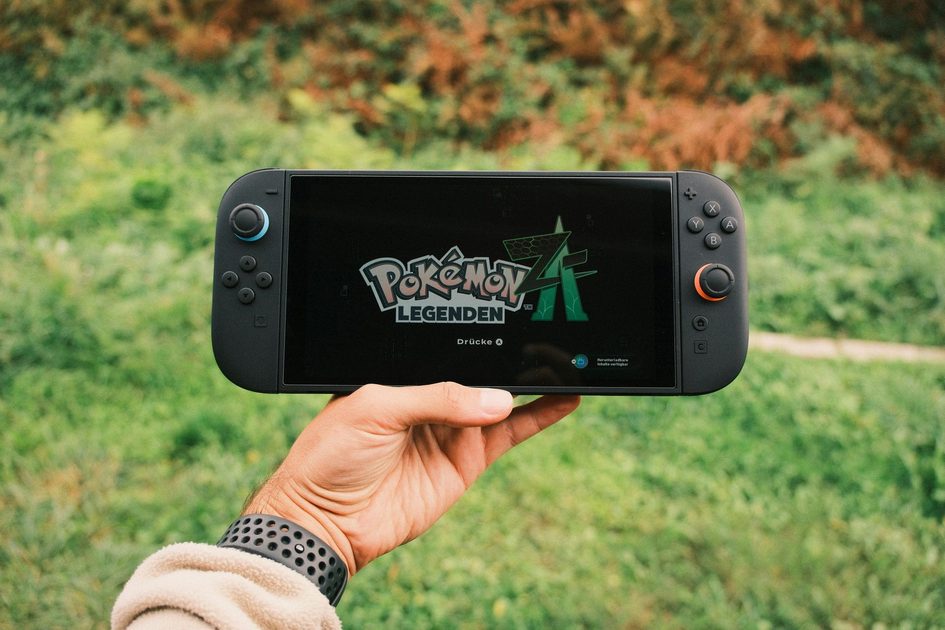
The Nintendo Switch is approaching or has reached a sales milestone that puts it in direct conversation with the PlayStation 2 – the best-selling video game console in history with approximately 155 million units sold during its commercial lifetime. The comparison is generating significant discussion in gaming media because it represents the potential end of a record that has stood for over two decades, and because the Nintendo Switch’s achievement – if confirmed – would validate Nintendo’s distinctive hybrid portable-home console design philosophy against all commercial expectations at the time of its launch.
The Nintendo Switch’s Sales Journey
When the Nintendo Switch launched in March 2017, it did so in the shadow of the Wii U’s catastrophic commercial failure. Nintendo’s previous home console had sold fewer than 14 million units lifetime despite launching with substantial ambition, and there was genuine concern in the industry about whether Nintendo’s console hardware business was viable. The Switch’s hybrid design – a home console that could be taken anywhere as a portable device – was an elegant solution to the problem of justifying a home console purchase to consumers who already had smartphones for portable gaming, but it was not obvious that the solution would work at scale.
What followed was one of the most remarkable commercial rehabilitations in gaming history. The Switch launched with The Legend of Zelda: Breath of the Wild, which is widely considered one of the greatest games ever made, and built a library of critically acclaimed exclusives that made it a platform people bought for the games rather than just the hardware concept. By 2020, the Switch was the fastest-selling Nintendo console ever. By 2024, it had passed the Nintendo DS to become Nintendo’s best-selling hardware ever.
- The Switch’s longevity has been exceptional for console hardware – typically, console cycles last 5-7 years, but the Switch has remained commercially relevant into its eighth year due to continued strong software releases and the resilience of the handheld market in Japan and other portable-gaming-focused markets.
- Nintendo’s revenue per unit (driven by first-party software attach rates) has remained strong throughout the Switch lifecycle, making the commercial picture even more favorable than pure hardware sales numbers suggest.
- The upcoming Nintendo hardware transition has not significantly cannibalized current Switch sales, suggesting consumer confidence in the platform’s continued relevance.
What the PS2 Comparison Means
Passing the PS2 in lifetime sales would be historically significant but should be viewed in context. The gaming market is much larger now than it was during the PS2 era, meaning achieving comparable sales requires serving a larger potential customer base. The PS2 achieved its record in a market with fewer competing entertainment options and at a time when console gaming had no smartphone competition. A fair comparison requires acknowledging both the milestone’s significance and these contextual factors.
Frequently Asked Questions
How many Nintendo Switches have been sold?
Nintendo reports hardware sales figures quarterly. Check Nintendo’s most recent investor relations documents for the current lifetime sales total, which is updated regularly as sales continue.

Trust Post Desk
A journalist and editor at TrustPost.org covering world and national news, technology updates and human-interest stories. They check every fact, interview sources in person or online, and aim to deliver clear, accurate reporting. Their work ranges from breaking news to in-depth features and daily newsletters. Outside the newsroom, they follow emerging trends and engage with readers on social media.