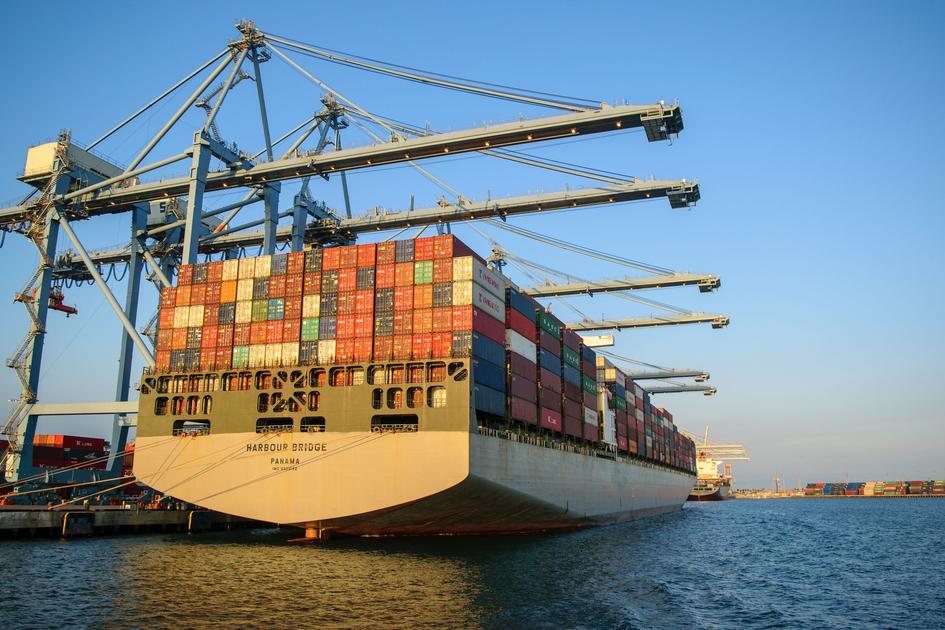
The India-United Kingdom Comprehensive Economic and Trade Agreement, signed on July 24, 2025 at Chequers by Prime Ministers Narendra Modi and Keir Starmer, entered
its implementation phase in April 2026, delivering on a trade relationship negotiation that had stretched across more than three years of talks and multiple
For more context, see our coverage of Climate Litigation 2026 Courts Around the World.
Key Developments
changes of government in both countries. Under the agreement, approximately 99 percent of Indian exports to the United Kingdom will receive duty-free access to
the British market, a significant broadening of access for Indian goods that spans textiles, pharmaceuticals, engineering products, chemicals, seafood, and a range of other
sectors in which India has established competitive manufacturing capability. For British consumers and businesses, the agreement reduces tariffs on selected British products exported to
Background and Context
For more context, see our coverage of Meta Pays $1.4 Billion Texas Facial Recognition.
India, including Scotch whisky, premium automobiles, and several categories of manufactured goods that previously faced tariff walls in the Indian market.
The trade deal is the most significant bilateral trade agreement India has concluded in the post-pandemic period and represents a landmark for the UK’s
What Experts Are Saying
post-Brexit trade strategy, which has sought to diversify British trade relationships beyond the European Single Market that the UK exited in 2020.
For more context, see our coverage of Electric Vehicle Market 2026.
India, as the world’s most populous country and one of the fastest-growing major economies, has been a priority partner for British trade diplomacy, and
the conclusion of the FTA was repeatedly described by successive UK governments as one of the most commercially significant agreements Britain could negotiate.
The parliamentary ratification process in the UK was completed in early 2026, with the agreement laid before Parliament on January 21 and the objection
period expiring on March 5, before formal implementation proceedings were concluded in April.
The India-UK CETA is a comprehensive agreement covering trade in goods, services, digital trade, investment protections, intellectual property, and regulatory cooperation across a broad
range of sectors. The goods tariff reductions are the most immediately visible element, with the near-elimination of UK tariffs on Indian products delivering immediate
benefit to Indian exporters in textiles and garments, processed foods and beverages, leather goods, and a range of manufactured products.
Indian pharmaceutical companies gain improved market access to the UK, a significant commercial opportunity given the size of the National Health Service as a
procurement entity. On the British side, the reduction of Indian tariffs on Scotch whisky – which faced a 150 percent tariff in India before
the agreement – and on British-manufactured automobiles, including premium and luxury vehicles from manufacturers such as Jaguar Land Rover, represents the most commercially significant
UK-side gains. The services and investment chapters create frameworks for professional services recognition, facilitate the movement of business professionals between the two countries, and
establish dispute resolution mechanisms that give investors in both jurisdictions greater certainty.
What the Agreement Covers
The UK government’s impact assessment projected that the India-UK CETA would add approximately GBP 4.8 billion to the UK economy by 2035, while Indian
government projections estimated Indian export growth to the UK of around $6 billion over the medium term as Indian exporters take advantage of the
improved market access. The agreement has been particularly welcomed by Indian textile manufacturers, who see the duty-free UK market access as an opportunity to
gain share in the British market against competitors from Bangladesh, Pakistan, Vietnam, and other producing nations that previously held tariff advantages vis-a-vis Indian goods
in British retail. The broader context of the India-UK relationship in 2026 reflects both countries’ interest in deepening their economic and strategic ties, with
India emerging as a pivotal partner for the UK’s Indo-Pacific strategy and Britain providing India with access to financial services, technology, and the diplomatic
platform of a permanent UN Security Council member. The India-UK strategic partnership extends well beyond trade, encompassing defense technology collaboration, education exchanges, and joint
diplomatic positioning on issues from technology governance to climate finance.
Sources and Further Reading
Learn more at TechCrunch.
Learn more at The Verge.
Learn more at Wired.
Related Articles

Trust Post Desk
A journalist and editor at TrustPost.org covering world and national news, technology updates and human-interest stories. They check every fact, interview sources in person or online, and aim to deliver clear, accurate reporting. Their work ranges from breaking news to in-depth features and daily newsletters. Outside the newsroom, they follow emerging trends and engage with readers on social media.