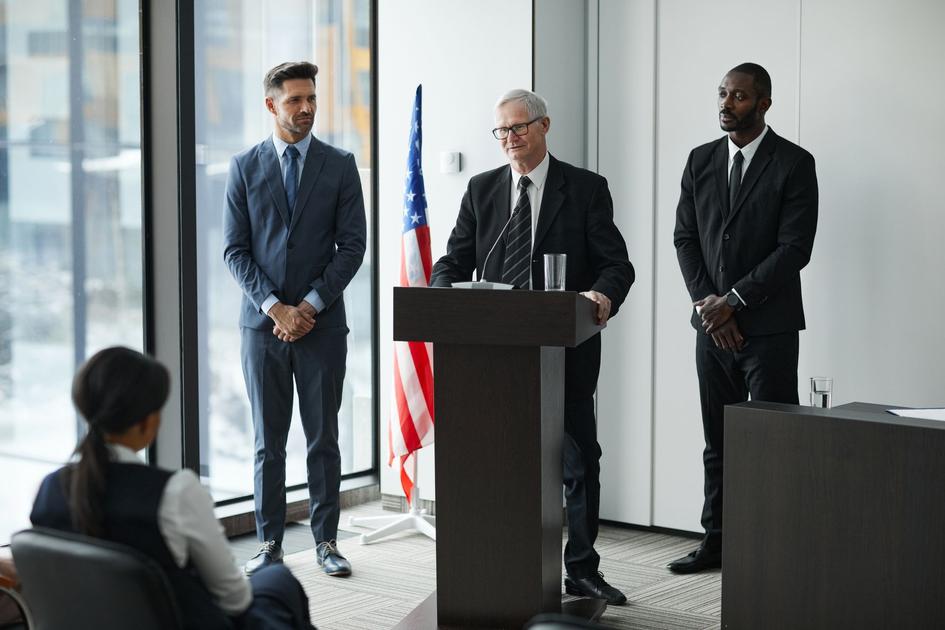
The 52nd G7 Leaders’ Summit, which opened on June 15 in the French Alpine lakeside resort of Evian-les-Bains and concluded on June 17, was
dominated by the scrutiny of US President Donald Trump’s surprise announcement on June 14 of a memorandum of understanding with Iran to end the
For more context, see our coverage of US and Iran Sign Peace Framework.
Key Developments
15-week conflict that had begun with February 28 US-Israeli strikes on Iranian nuclear and military infrastructure.
G7 leaders including French President Emmanuel Macron, UK Prime Minister Keir Starmer, German Chancellor Friedrich Merz, Italian Prime Minister Giorgia Meloni, Japanese Prime Minister
Sanae Takaichi, and Canadian Prime Minister Mark Carney spent a significant portion of the summit’s plenary sessions and bilateral meetings analyzing the terms of
Background and Context
For more context, see our coverage of Trump and Qatar Air Force One Deal.
the MOU, the process that led to it, and its implications for global energy markets, nuclear non-proliferation frameworks, and the broader geopolitical situation in
the Middle East.
What Experts Are Saying
The summit also addressed the war in Ukraine, artificial intelligence governance, macroeconomic imbalances, and the protection of children online, but the Iran deal overshadowed
For more context, see our coverage of Nasdaq Surges on Iran Peace Deal and Apple Intel News.
all other agenda items in the summit’s media coverage and diplomatic conversations. Read also: Strait of Hormuz Reopens as US Lifts Naval Blockade.
Related Articles
The most operationally specific discussion at Evian relating to the Iran deal concerned the demining of the Strait of Hormuz.
During the conflict, Iran had laid naval mines in portions of the Strait of Hormuz as a deterrent to commercial shipping, in addition to
using direct military action to threaten or intercept vessels attempting to transit.
The mines, which remain in the water even as the ceasefire MOU takes effect, represent a residual hazard to commercial shipping that must be
cleared before full Hormuz transit operations can safely resume. See also: PM Carney at G7 Evian: Canada Champions AI and Clean Energy.
President Trump discussed the demining process at Evian, indicating that the US military was planning mine clearance operations in coordination with allied naval forces,
and both France and Britain expressed interest in contributing naval mine-hunting and clearance assets to the Hormuz demining operation.
France and the UK each maintain specialist mine clearance capabilities and have previously participated in multinational mine clearance operations in the Gulf region, and
their offer to contribute reflects both the NATO allies’ interest in demonstrating continued relevance to Middle East security operations and the commercial interest of
their countries’ shipping and energy sectors in the rapid normalization of Hormuz transit.
While welcoming the cessation of hostilities, European G7 members – France, Germany, and the UK – expressed concerns at Evian about the nuclear framework included in the Iran MOU.
The European powers, which had been party to the 2015 Joint Comprehensive Plan of Action and had spent years attempting to salvage the nuclear
deal after the US withdrawal in 2018, viewed the MOU’s nuclear status quo provision with skepticism.
Maintaining Iran’s nuclear status quo – not enriching uranium and not expanding facilities – until a final deal is reached does not require Iran
to reduce its existing enrichment capacity, which reached approximately 60 percent uranium-235 enrichment at its peak and represents a significantly more advanced nuclear capability
than Iran possessed when the 2015 JCPOA was signed.
France, Germany, and the UK indicated at Evian that they would seek to be involved in the 60-day negotiating process that follows the June
19 MOU signing, arguing that the nuclear non-proliferation dimensions of a final Iran deal are as much a European interest as an American one.
The MOU’s terms as announced leave open significant questions about the ultimate nuclear settlement that the broader framework of the Evian discussions sought to address.
President Trump arrived at Evian with his customary confidence that the Iran deal represented a personal diplomatic achievement comparable to his self-described successes in
the first term, including the Abraham Accords.
His framing of the MOU as an “America First” diplomatic success – a deal that ended a conflict, freed up American naval resources, lowered
energy prices, and avoided a protracted military entanglement – was broadly accepted by the summit as a genuine political argument, even if the other
G7 leaders’ private assessments of the deal’s terms were more cautious.
Trump’s announcement at Evian that he now intends to turn his attention to Ukraine – pledging to do “whatever I can” to end the
war – raised hopes among the European G7 members and among Ukrainian President Zelensky, who attended the Evian summit as a guest, that the
Iran deal’s conclusion would free up American diplomatic bandwidth for an accelerated push toward a Ukraine peace process.
Sources: Reuters – Middle East | Al Jazeera – Middle East | NPR – Middle East
Sources and Further Reading
Learn more at TechCrunch.
Learn more at The Verge.
Learn more at Wired.
Related Articles

Trust Post Desk
A journalist and editor at TrustPost.org covering world and national news, technology updates and human-interest stories. They check every fact, interview sources in person or online, and aim to deliver clear, accurate reporting. Their work ranges from breaking news to in-depth features and daily newsletters. Outside the newsroom, they follow emerging trends and engage with readers on social media.