How movies are made is one of the most complex creative and logistical processes in any industry, combining art, technology, and business.
A major studio film involves hundreds to thousands of people across multiple years, with budgets ranging from $10 million to $300 million or more.
Understanding How Movies Are Made: The Big Picture
The process follows five consistent stages regardless of budget or genre. Understanding each stage reveals why films take so long to produce.
Per MasterClass film guide, every professional film production cycles through development, pre-production, production, post-production, and distribution in sequence.
Stage 1: Development – Where Every Movie Starts
Development is the idea stage. A writer, director, or producer identifies a concept and turns it into a screenplay or pitch document.
Scripts can originate as original ideas, novel adaptations, IP remakes, or true-story rights acquisitions. All require securing legal ownership first.
Studios may spend years developing a script through multiple rewrites before greenlighting it for production. Most projects die in development.
Once a studio or financier commits funding, the project moves to pre-production: the planning phase before any camera rolls.
Stage 2: Pre-Production – Planning Everything in Detail
- Casting: the director and casting director identify actors for every role, from leads to supporting and background performers
- Location scouting: finding and securing real-world or studio filming locations that match the script’s visual requirements
- Hiring department heads: cinematographer, production designer, costume designer, and stunt coordinator are among the first hired
- Storyboarding: the director and cinematographer plan each shot visually before filming begins to manage time and cost on set
- Scheduling and budgeting: the production team breaks the script into a shooting schedule that minimizes cost and location changes
Stage 3: Production – Filming the Movie
Principal photography is when the cameras roll. It is the most expensive stage because cast, crew, equipment, and locations all operate simultaneously.
A feature film typically shoots 8 to 16 weeks depending on complexity. Each shooting day averages 3 to 5 usable minutes of screen time.
The director works with the director of photography (DP) to capture each scene. The DP controls lighting, camera movement, and visual style.
Per StudioBinder production stages, the production stage consumes 60 to 70% of a film’s total budget, making efficient scheduling critical to staying solvent.
Stage 4: Post-Production – Building the Final Film
Editing comes first. The editor assembles raw footage into a rough cut, then fine-cuts it in collaboration with the director over weeks or months.
Visual effects (VFX) are added after editing. Large productions can require hundreds of artists working thousands of hours on VFX alone.
Sound design, dialogue replacement (ADR), Foley effects, and an orchestral score are all composed and mixed during this stage.
Color grading gives the film its final look. A colorist applies a consistent visual palette that matches the director’s intended mood and tone.
Stage 5: Distribution and Release
Distribution determines how and where audiences see the film: theatrical release, streaming premiere, or hybrid release combining both.
Marketing budgets for major studio films often equal 50% of the production budget, with trailers, posters, press tours, and social campaigns.
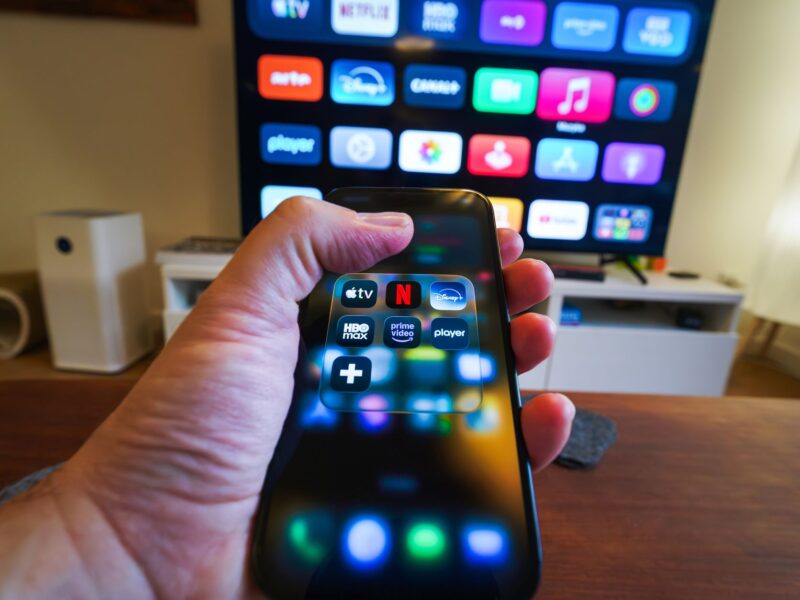
The streaming era has changed everything. streaming wars 2026 tracks how studios and platforms battle for viewers in a fragmented distribution landscape.
Streaming platforms have become the primary distributor for mid-budget films. Netflix subscriber growth shows how subscriber growth shapes what studios greenlight today.
Related Articles

Trust Post Desk
A journalist and editor at TrustPost.org covering world and national news, technology updates and human-interest stories. They check every fact, interview sources in person or online, and aim to deliver clear, accurate reporting. Their work ranges from breaking news to in-depth features and daily newsletters. Outside the newsroom, they follow emerging trends and engage with readers on social media.