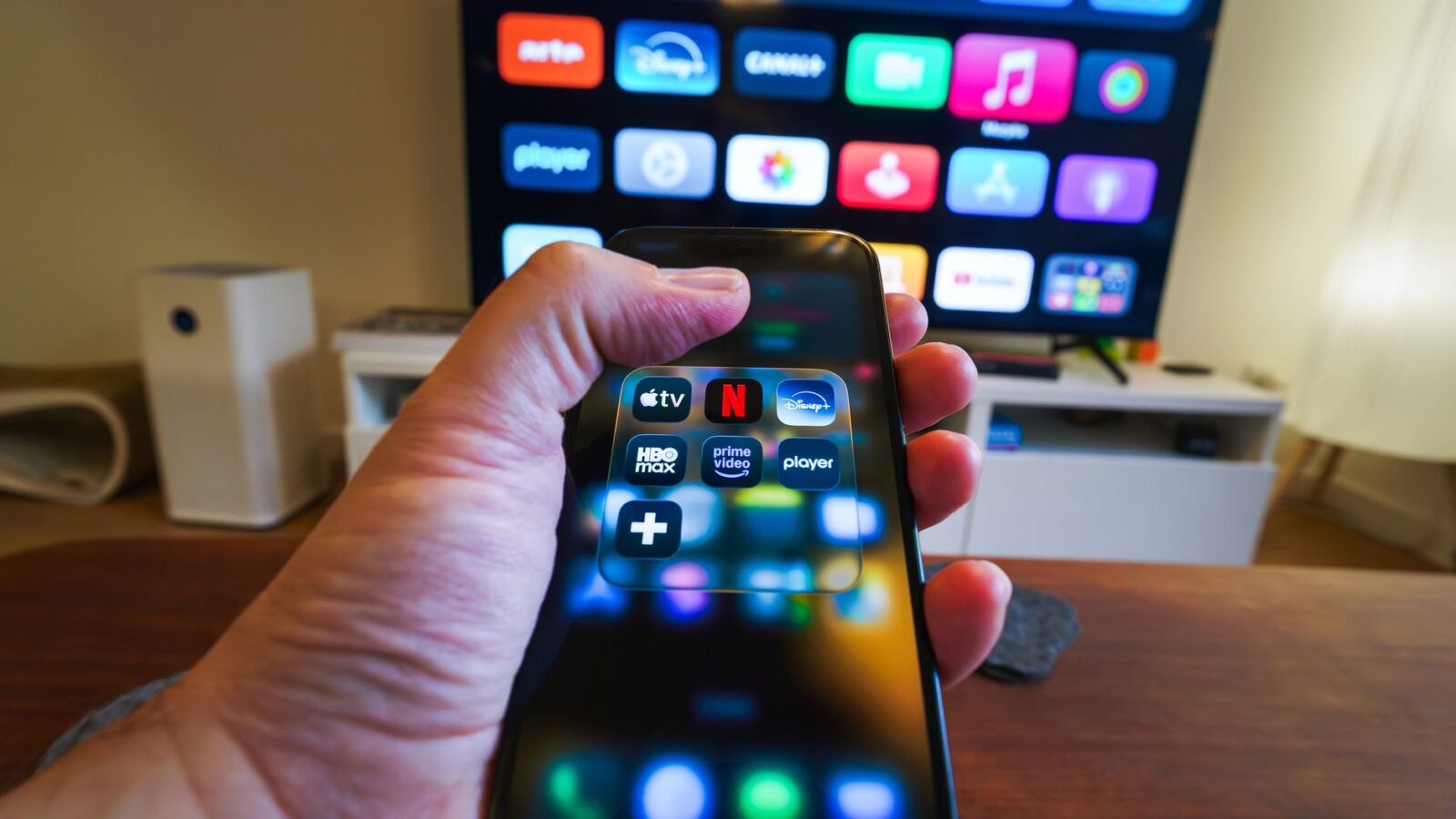
Understanding how streaming services work starts with one fact: they deliver video over the internet in real time without requiring you to download files.
Unlike cable, which broadcasts the same signal to all viewers, streaming sends individual data packets to each viewer on demand from centralized servers.
How Streaming Services Work: The Basics
This infrastructure requires massive data center investment. Netflix alone serves over 312 million subscribers across 190 countries simultaneously.
Per Consumer Reports streaming guide, most streaming platforms operate one of three business models: subscription, ad-supported, or transactional (pay-per-title) rental.
The Content Licensing Model Explained
Streaming services acquire content through two routes: licensing existing content from studios and networks, or commissioning original productions.
Licensing deals give a platform rights to show content in specific territories for a defined time period, often 2 to 5 years before renewal.
Original content (Netflix Originals, Amazon Originals) gives the platform permanent ownership of the intellectual property rather than a lease.
Studios pulled their content off Netflix in the late 2010s to launch competing services. This forced streaming platforms to invest billions in originals.
How Recommendation Algorithms Shape What You Watch
- Every click, pause, fast-forward, and rewatch is recorded and fed into the platform’s recommendation model to predict your next preference
- Netflix’s algorithm weighs completion rate heavily; finishing a show is a much stronger positive signal than just starting it
- Thumbnail images are A/B tested on thousands of users before you see them; the same title may show a different image to different subscribers
- Watch time by hour, day, and device are tracked to personalize when and how content is suggested to each individual user
- Social signals from accounts you follow or friend recommendations are incorporated by platforms like Apple TV+ and Amazon Prime Video
How Streaming Platforms Decide What to Greenlight
Subscriber acquisition and retention data drive commissioning decisions. A show that retains subscribers pays for itself regardless of critical reception.
Cancellation decisions are typically made at the 2 to 3 season mark based on viewership curves. Shows that spike then drop get cancelled faster.
Per PrimeWay streaming comparison, platforms are now bundling services to reduce churn: subscribers who cancel one service often retain bundles with multiple platforms.
The Economics of Streaming Subscriptions in 2026
Most platforms now offer tiered pricing: ad-supported tiers at lower cost, standard tiers, and premium tiers with 4K and simultaneous streams.
Password sharing crackdowns have pushed millions of users into paid accounts. Netflix added 19 million subscribers in 2023 after enforcing its policy.
Platform consolidation is reshaping the market. streaming wars breakdown tracks who is merging and what the streaming landscape looks like by 2027.
Subscriber data tells the story of where the industry is heading. Netflix subscriber numbers reveals how Netflix’s 312 million subscribers affects every rival platform.
Localization is now central to streaming strategy. Original content in Spanish, Korean, and Hindi now drives global subscriber acquisition for major platforms.
Sports rights have become the next streaming battleground. Live NFL, NBA, and Champions League games drive subscriber acquisition faster than any scripted series.
Related Articles

Trust Post Desk
A journalist and editor at TrustPost.org covering world and national news, technology updates and human-interest stories. They check every fact, interview sources in person or online, and aim to deliver clear, accurate reporting. Their work ranges from breaking news to in-depth features and daily newsletters. Outside the newsroom, they follow emerging trends and engage with readers on social media.