Microsoft announced seven homegrown AI models at Build 2026 in San Francisco, marking the company’s boldest push yet for self-sufficiency from OpenAI.
The seven Microsoft models span reasoning, coding, vision, and multimodal tasks and are being integrated directly into Copilot and Azure products.
MAI-Code-1-Flash: Microsoft’s First Coding Model
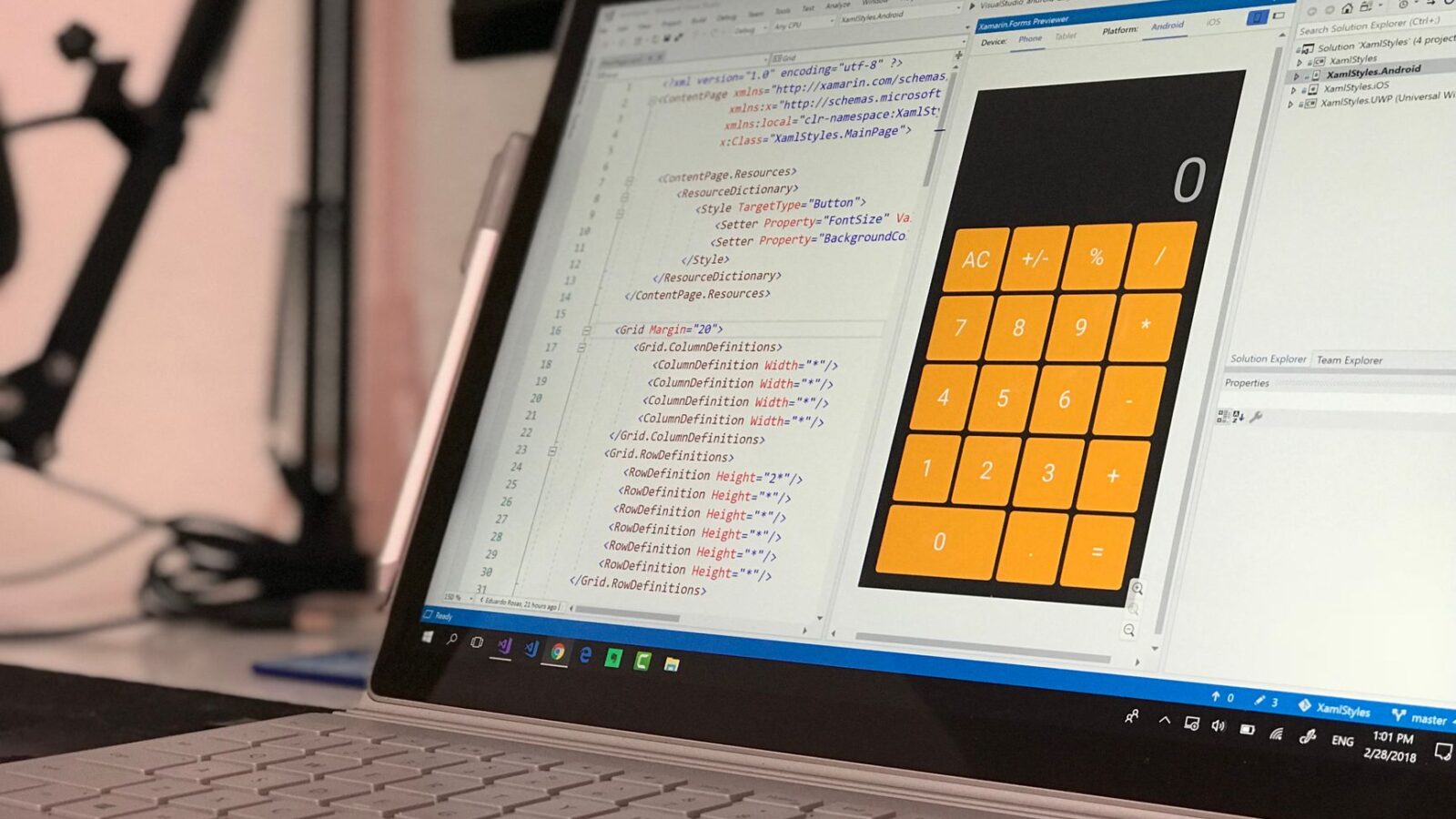
MAI-Code-1-Flash is a 5-billion-parameter model that converts written descriptions into source code for apps, websites, and cloud integrations.
The model is rolling out now in Visual Studio Code and GitHub Copilot, giving developers a Microsoft-native alternative to Claude and GPT-4o.
Per CNBC’s Build coverage, MAI-Code-1-Flash is designed to run efficiently on consumer hardware, cutting API costs for developers who build on Microsoft platforms.
All Seven Microsoft AI Models at Build 2026
Beyond MAI-Code-1-Flash, Microsoft released six additional models covering long-context reasoning, visual understanding, and multimodal generation tasks.
The full suite is branded under the MAI family, with each model optimized for a specific enterprise use case rather than general-purpose chat.
As GeekWire’s report reported, Microsoft framed this as a bid for ‘long-term self-sufficiency,’ deliberately reducing its reliance on third-party AI providers.
Why Microsoft Is Reducing Dependence on OpenAI
Microsoft has paid billions to OpenAI and has recently expanded purchases from Anthropic, creating a multi-vendor AI dependency that increases costs.
Building homegrown models allows Microsoft to price AI services more competitively on Azure and reduce royalty payments per token to OpenAI.
The strategic pivot was inevitable as both Google and Amazon accelerated their own in-house model programs, pressuring Microsoft to follow suit.
What Build 2026 Means for GitHub Copilot Users
GitHub Copilot will now offer model-switching, letting developers toggle between Microsoft’s MAI models, OpenAI GPT-5.5, and Anthropic Claude Opus 4.8.
Developers in Microsoft’s paid tiers may see Copilot costs drop as Microsoft routes more requests to its own cheaper MAI-family models.
This model choice shift directly ties to trends in our AI agents replacing jobs coverage, where agentic coding is reshaping how software gets written.
Microsoft vs OpenAI: A Partnership Under Pressure
OpenAI’s GPT-5.5 remains available on Azure, but Microsoft is clearly positioning itself to eventually not need any external AI provider at all.
Sam Altman acknowledged the dynamic in recent interviews, noting that Microsoft building its own models was expected and part of the partnership terms.
The competitive response from Google is covered in our Google Gemini 3.5 news coverage, where Gemini 3.5 targets the same developer base Microsoft is chasing.
Enterprise Impact of Microsoft’s Seven-Model Strategy
Large enterprises on Azure Enterprise agreements may gain access to MAI models at reduced rates as Microsoft bundles them into existing contracts.
Per TradingKey’s analysis, Microsoft’s seven-model strategy also covers vision AI and quantum computing tools, making Build 2026 one of the broadest developer conferences ever.
Businesses evaluating AI platforms should weigh Microsoft’s self-sufficiency push against Google’s affordability narrative and OpenAI’s raw capability lead.
Enterprise developers who can trial MAI models free via GitHub Copilot should run benchmarks before committing to any paid API tier.

Trust Post Desk
A journalist and editor at TrustPost.org covering world and national news, technology updates and human-interest stories. They check every fact, interview sources in person or online, and aim to deliver clear, accurate reporting. Their work ranges from breaking news to in-depth features and daily newsletters. Outside the newsroom, they follow emerging trends and engage with readers on social media.