UK to Ban Under-16s From Social Media Including TikTok
The UK government announced a plan to ban social media for under-16s in June 2026, restricting TikTok, YouTube, and more.
Platforms including Snapchat, Instagram, Facebook, and X will also be restricted for all users under 16.
Per the UK government, the move is backed by 9 in 10 parents and is expected to take effect in Spring 2027.
UK Social Media Ban: Which Platforms Are Affected for Under-16s
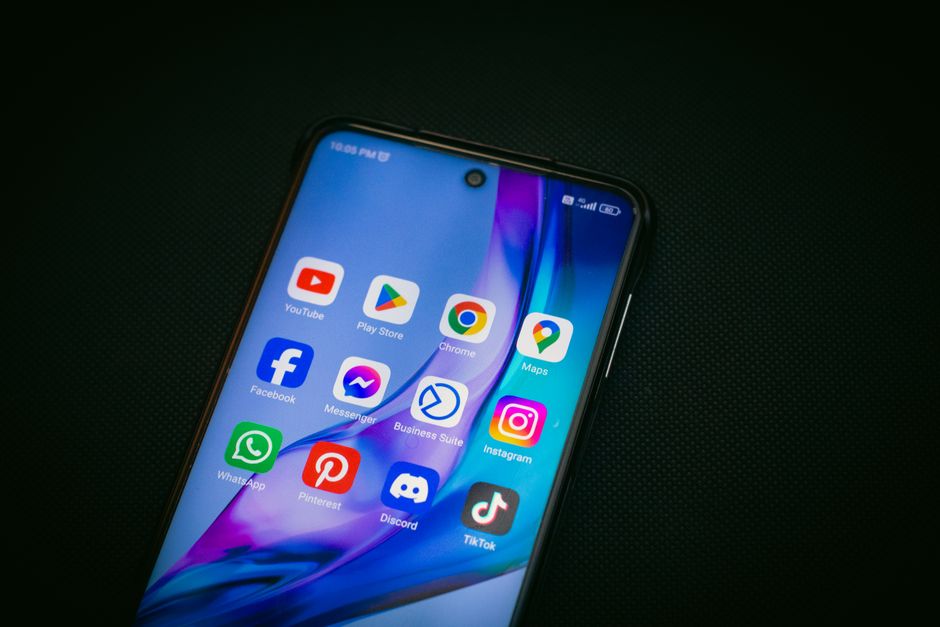
TikTok, YouTube, Instagram, Facebook, Snapchat, and X are all named in the ban announcement.
YouTube Kids and messaging services like WhatsApp and Signal are exempt from the new age restrictions.
Platforms that fail to exclude under-16s could face fines worth millions of pounds under Ofcom enforcement.
Ofcom, the UK’s communications regulator, will oversee age verification and platform compliance.
The government says it will set out specific forms of effective age assurance that platforms must implement.
Platforms will be required to actively verify user ages, not simply ask users to self-declare their age.
How the UK Plans to Enforce the Under-16 Social Media Ban
Ofcom will publish detailed requirements for what counts as an acceptable age verification system.
Acceptable options include document-based checks, biometric age estimation, or third-party verification services.
Platforms must implement these checks before the Spring 2027 enforcement deadline to avoid penalties.
Per NPR, Britain follows Australia, which imposed a similar social media ban in late 2025.
The ban does not require parents to take action; responsibility falls entirely on the platforms themselves.
Livestreaming and stranger communication features will also be blocked for under-16s beyond the ban itself.
What the UK Social Media Ban Means for Children and Families
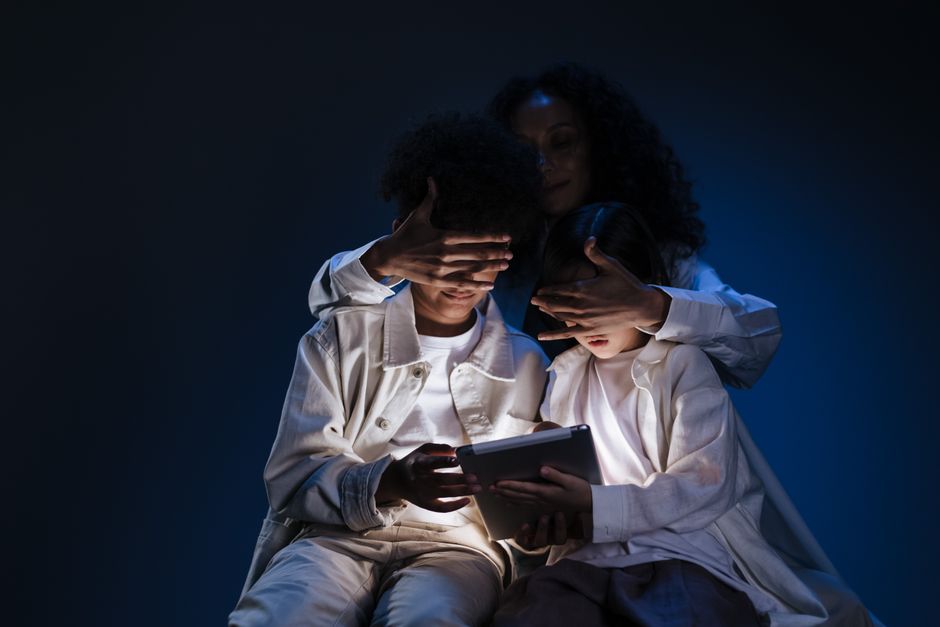
The ban aims to give children a childhood free from social media algorithms and harmful content exposure.
Government research shows excessive social media use correlates with anxiety, depression, and poor sleep in teens.
Under-16s will still be able to use messaging services and platforms specifically designed for children.
Parents who want their children exempt will not have the option to override the platform-level restrictions.
The government says children aged 16 and 17 are still subject to additional protective design requirements.
Families concerned about digital privacy rights have raised concerns about age verification data collection.
AI Chatbots and the UK Under-16 Digital Safety Rules
AI romantic companion chatbots will be banned from serving users under 18 under the new UK rules.
Any AI chatbot with intimate or sexual functionalities must enforce an 18-and-over age gate to operate legally.
General AI chatbots will face restrictions on intimate features for users under 16 as well.
The rules extend to voice AI and avatar-based AI companions that simulate romantic or social relationships.
These AI restrictions connect to growing concerns about AI risks for children and vulnerable users.
Platforms that use AI to recommend content to under-16s must also comply with enhanced algorithmic restrictions.
Global Impact: Is a Social Media Ban for Under-16s the Future?

Australia’s under-16 social media ban went into force in late 2025 and is being used as a model by the UK.
France, Germany, and Canada are reviewing similar legislation following the UK’s announcement in June 2026.
Tech companies including Meta and TikTok have opposed mandatory bans and are lobbying for a different approach.
Critics argue that bans are difficult to enforce globally and may push children to less regulated platforms.
Supporters say even imperfect enforcement shifts responsibility from parents to platforms, where it belongs.
The UK ban is expected to trigger a wave of global legislative action through 2026 and into 2027.