A DHS document revealed in June 2026 plans to give local police ICE facial recognition technology for immigration enforcement.
The mobile app scans faces of stopped individuals against a database of over 250 million government records.
Per NPR, every photo taken is stored in a DHS system for 15 years.
How the DHS Facial Recognition App Works for Local Police

The app targets local police deputized by ICE through the 287(g) Task Force Model program.
Officers point the app at a person’s face during a stop; results return within seconds from 250 million records.
About 1,300 police agencies across the U.S. currently participate in the 287(g) Task Force Model.
Results flag individuals who may be subject to immigration enforcement action by ICE officers.
Every photo automatically enters a DHS internal system and remains stored there for 15 full years.
Privacy and Civil Liberties Concerns Around the DHS Plan

DHS acknowledged officers will not know a person’s citizenship status before scanning their face.
The document itself states U.S. citizens could be photographed and stored in the system during routine stops.
Privacy experts told NPR the program could chill free speech if people fear being identified at protests.
DHS Secretary Markwayne Mullin confirmed facial recognition was used to identify people at Oregon protests in 2026.
Critics say a 15-year retention period builds a long-term surveillance record of innocent U.S. residents.
How Widespread Is ICE Facial Recognition Already?
Some local police already have ICE facial recognition app access, NPR reported on June 19.
The new DHS plan would expand access significantly beyond agencies already using the technology.
The 287(g) Task Force Model gives local police the authority to arrest immigrants during routine patrols.
Expanding facial recognition to 1,300 agencies would dramatically scale up federal surveillance reach.
No public notice or congressional authorization was required before the DHS document was circulated internally.
What Civil Rights Groups and Lawmakers Are Saying

The ACLU called the expansion plan ‘an unprecedented domestic surveillance dragnet’ targeting immigrants and citizens.
Democratic lawmakers introduced legislation to ban local police use of federal immigration biometric databases.
Republican supporters argue the program is essential to identifying and removing undocumented criminal offenders.
The debate connects to broader concerns about digital privacy rights being eroded by AI surveillance.
Courts have not yet ruled on whether warrantless facial recognition scans during routine stops are constitutional.
What This Means for Americans Going Forward
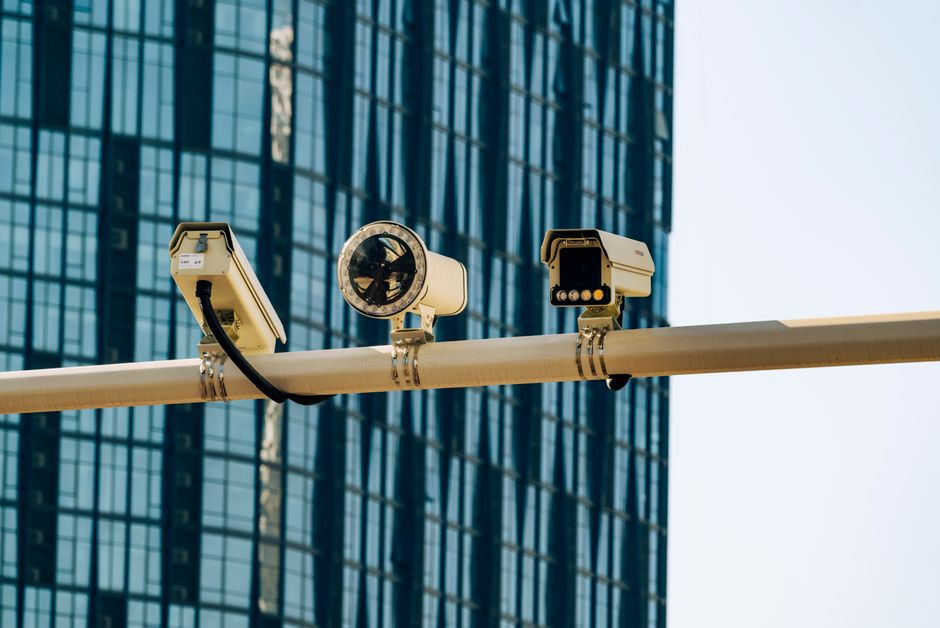
Full rollout would mean any routine police stop could trigger a federal immigration biometric database check.
Legal challenges are being prepared by the ACLU and Electronic Frontier Foundation to block the program.
The program raises concerns parallel to AI cybersecurity risks around mass data collection without consent.
Residents in sanctuary cities where local police refuse ICE cooperation would likely be shielded from the app.
Photos captured now could be used for immigration or other enforcement purposes decades into the future.
Related Articles

Trust Post Desk
A journalist and editor at TrustPost.org covering world and national news, technology updates and human-interest stories. They check every fact, interview sources in person or online, and aim to deliver clear, accurate reporting. Their work ranges from breaking news to in-depth features and daily newsletters. Outside the newsroom, they follow emerging trends and engage with readers on social media.