NASA Picks Eric Schmidt’s Relativity Space for Mars Mission
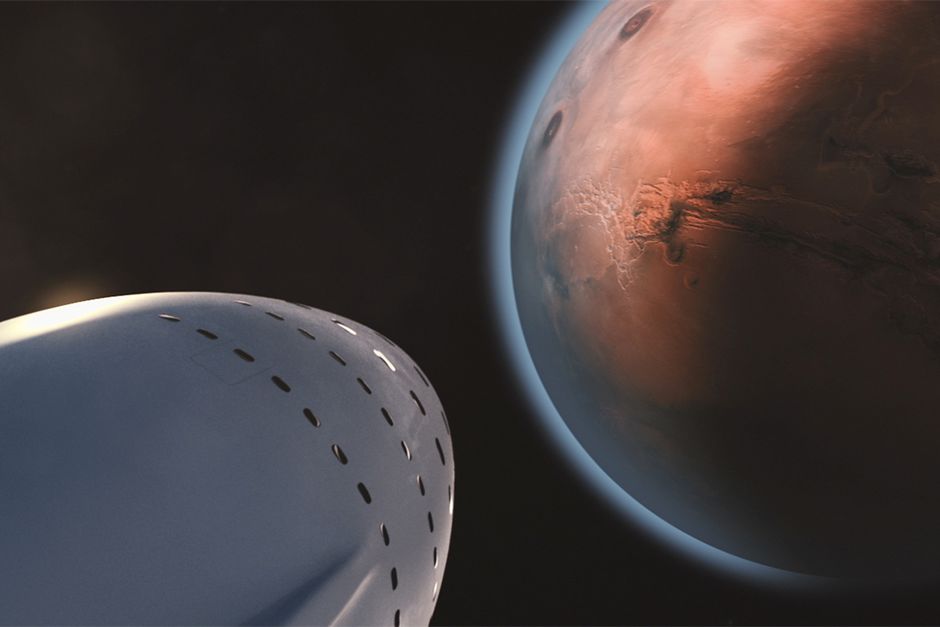
NASA selected Relativity Space, led by Eric Schmidt, to build and launch an Aeolus Mars mission orbiter.
The mission, called Aeolus, will study Martian dust, wind, and atmospheric temperature from orbit in 2028.
Per TechCrunch, the selection sets up the first private company Mars mission race against SpaceX.
What Is the Aeolus Mars Mission and What Will Relativity Space Build?
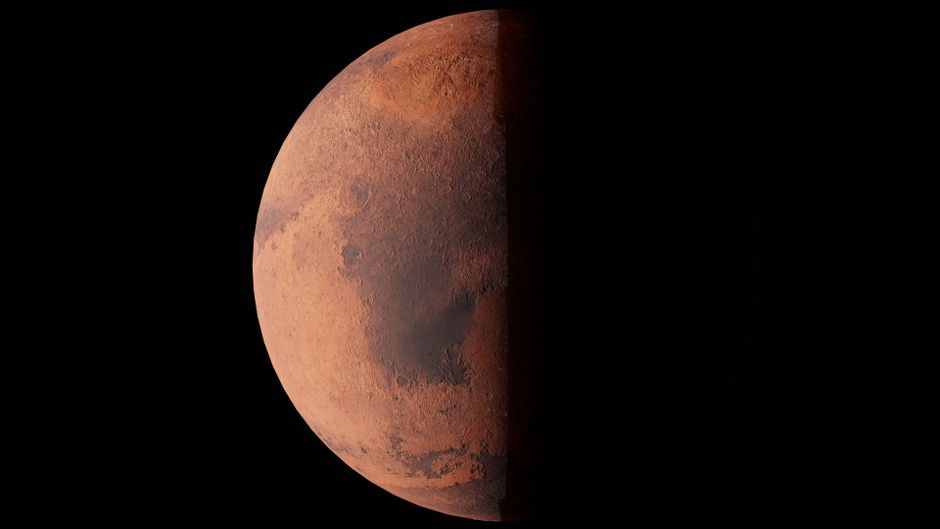
NASA hired Relativity Space to build, launch, and fly the Aeolus spacecraft to Mars orbit in 2028.
Aeolus will carry four NASA instruments to measure and image Martian dust, wind, and temperature daily.
It will deliver the first global, daily view of Mars atmosphere, a scientific first in planetary exploration.
The spacecraft will also double as a communications relay satellite for future Mars surface missions.
A philanthropic backer is funding the mission privately alongside NASA’s instrument contribution.
Relativity Space will design the spacecraft using its 3D-printing manufacturing expertise for cost efficiency.
Who Is Eric Schmidt and What Is Relativity Space?

Eric Schmidt served as Google CEO from 2001 to 2011, and as Executive Chairman until 2017.
He took a majority stake in Relativity Space in 2025, installing himself as CEO of the rocket startup.
Relativity was founded in 2015 by two former SpaceX and Blue Origin engineers with a 3D-printing focus.
Its first rocket, Terran 1, launched in March 2023 but failed to reach orbit during its maiden flight.
The company pivoted to a larger rocket called Terran R before running into fundraising challenges pre-Schmidt.
Per Scientific American, Relativity has never successfully launched a rocket to orbit before this mission.
The Race to Mars: Relativity Space vs SpaceX
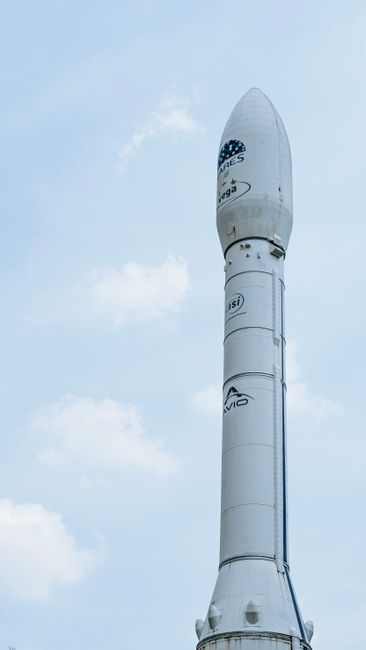
SpaceX has long planned a Mars mission but has never sent its own spacecraft to the Red Planet yet.
If Relativity’s Aeolus launches on schedule in 2028, it could be the first private company to reach Mars.
That would give Schmidt’s company a historic milestone that even Elon Musk’s SpaceX has not yet achieved.
SpaceX’s Starship is designed for crewed Mars missions but remains in development and testing phases.
Relativity’s Terran R, not Terran 1, is expected to carry Aeolus on its Mars-bound trajectory.
The mission echoes the competitive dynamics in SpaceX software push to compete beyond its core rocket business.
What the Aeolus Mission Data Will Mean for Future Mars Exploration

Daily global atmospheric data from Aeolus will help scientists plan safe landing windows for future missions.
Martian dust storms are a major hazard for landers; Aeolus could provide early warning for future crews.
Wind and temperature maps will help engineers design better thermal systems for Mars surface equipment.
The communication relay function means Aeolus doubles as infrastructure for the next generation of Mars rovers.
NASA has prioritized atmospheric studies as a prerequisite for any crewed Mars landing in the 2030s.
Aeolus data will be publicly available, accelerating Mars research for universities and space agencies globally.
Why NASA Chose a Private Company Over Its Own Agency for Aeolus
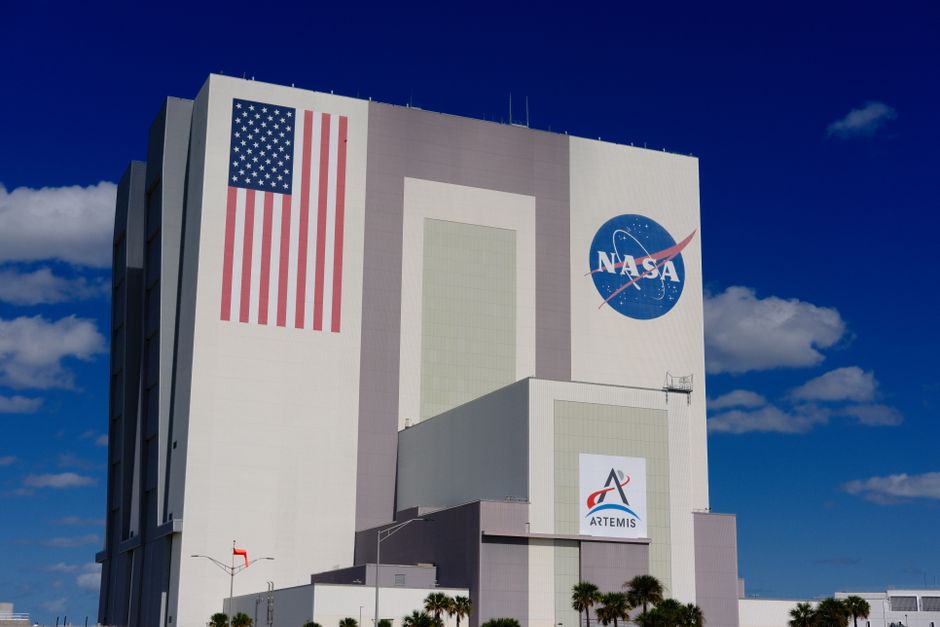
NASA has increasingly shifted Mars and Moon missions to commercial partners under its Commercial Space policy.
Partnering with Relativity Space costs less than building an equivalent NASA-managed spacecraft internally.
Private companies can move faster than government procurement cycles, which typically take a decade or more.
Schmidt’s investment in Relativity gave the company resources and credibility needed for NASA consideration.
The commercial space model mirrors how big tech AI investment is transforming who funds frontier research.
If Aeolus succeeds, it validates private-led deep space missions as a permanent part of NASA’s strategy.