China Tops New Robotaxi Scorecard With Three of the Top Four Spots
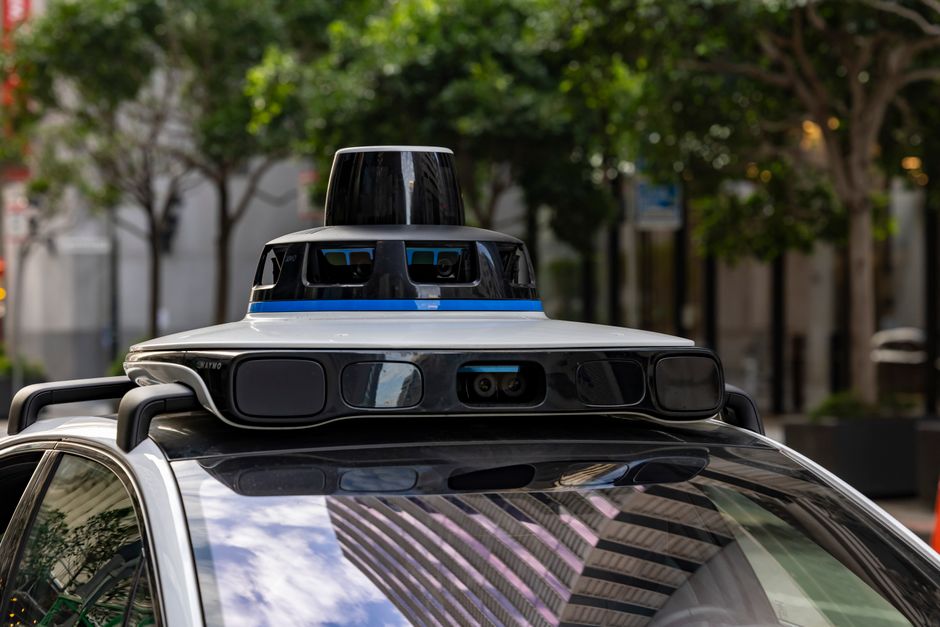
A new robotaxi scorecard shows China dominating autonomous vehicles, with three companies in the global top four.
Baidu Apollo Go leads the Road to Autonomy Index, ahead of Waymo, Pony.ai, WeRide, and Tesla in that order.
Per TechCrunch, the index by Autnmy AI uses publicly available data updated every 12 hours for live tracking.
The Road to Autonomy Index: Full Robotaxi Scorecard Rankings
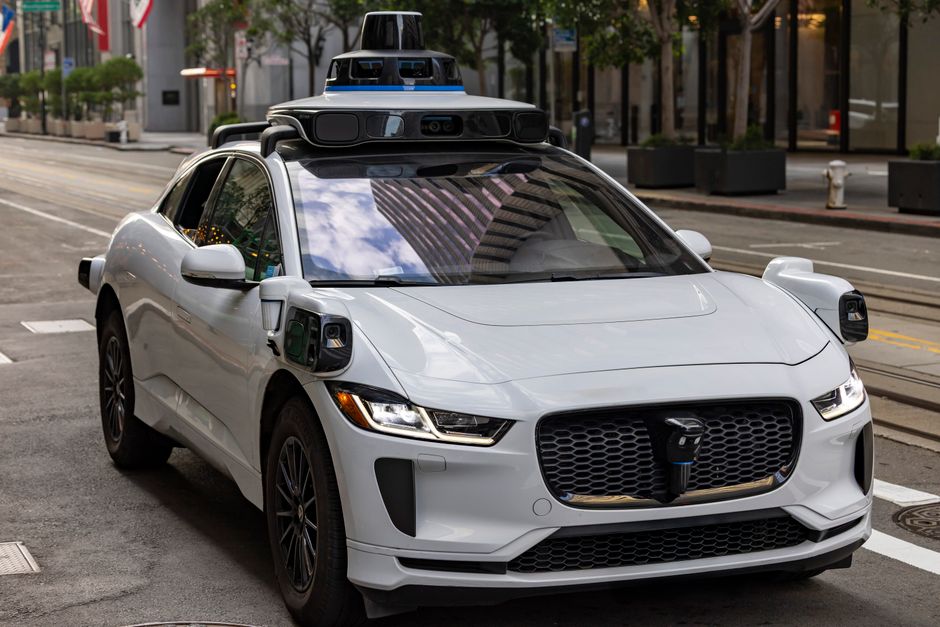
Autnmy AI released the Road to Autonomy Index to rank autonomous vehicle companies using public data only.
The current top five globally: Baidu Apollo Go (China), Waymo (US), Pony.ai (China), WeRide (China), Tesla (US).
Three of the four top-ranked robotaxi operators are Chinese companies, marking a major shift in global AV leadership.
The index evaluates companies on operations, scale, revenue, partnerships, manufacturing, and safety records.
Data sources include SEC filings, federal reports, and public databases, avoiding web scraping of private data.
Rankings update every 12 hours, giving investors and researchers a live pulse on the competitive AV landscape.
Why China Is Dominating the Global Robotaxi Race

China has built dense urban AV testing networks in cities like Wuhan, Beijing, and Guangzhou over the last five years.
Baidu Apollo Go alone has completed over 10 million autonomous rides, far ahead of most US competitors.
Government support in China accelerates licensing, infrastructure, and data-sharing between AV companies.
Pony.ai and WeRide both secured commercial robotaxi licenses in multiple Chinese cities ahead of US rivals.
Chinese AV companies also benefit from lower operational costs and faster regulatory feedback loops than US peers.
The Chinese lead mirrors the broader competition covered in our AI spending race between the two tech superpowers.
Waymo and Tesla: US Autonomous Vehicles Rankings on the Robotaxi Scorecard
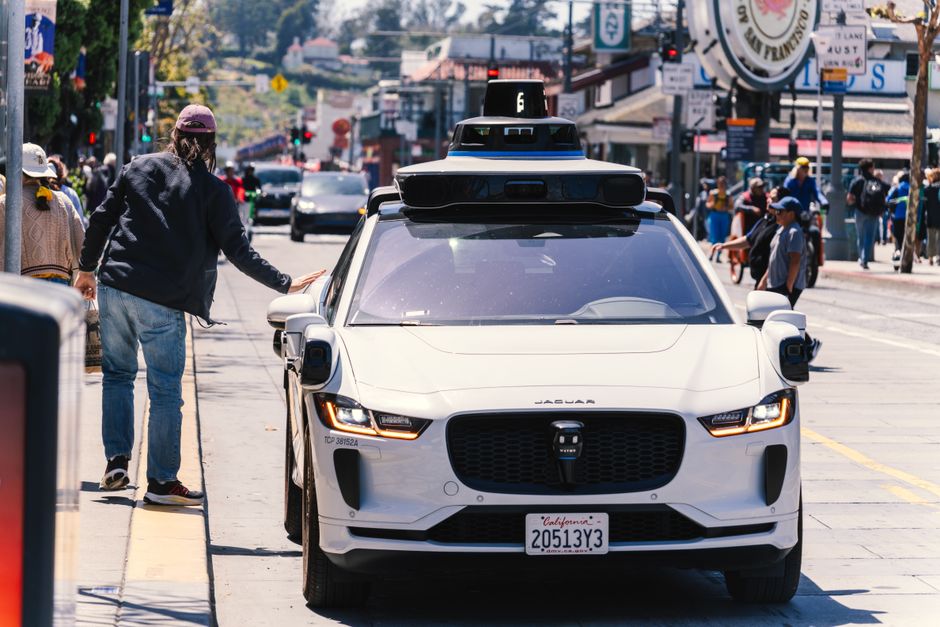
Waymo holds the second spot, supported by its mature robotaxi operations in San Francisco, Phoenix, and Austin.
In Texas alone, Waymo operates 620 autonomous vehicles, representing the largest US robotaxi fleet today.
Tesla ranked fifth with 69 autonomous vehicles in Texas, but is growing fast after a 64% fleet increase since May.
Avride operates 317 vehicles in Texas and holds steady in mid-table positions on the scorecard.
Zoox and Nuro round out the US presence with 43 and 47 Texas vehicles respectively as of late May 2026.
Per TechCrunch, Tesla’s rapid fleet growth makes it the US company to watch most closely in the second half of 2026.
How the Road to Autonomy Index Scores Robotaxi Companies

The index measures six categories: operations scale, revenue, commercial partnerships, manufacturing, and safety.
Operations scale rewards companies that run real-world paid rides, not just test fleets on closed tracks.
Revenue weighting ensures companies with actual paying customers score higher than pure-R&D players.
Safety records are weighted heavily, as incidents can cost a company significant ranking points instantly.
Manufacturing capacity scores reflect which companies can scale their fleets to meet commercial demand.
The methodology connects to the physical AI simulation tools companies use to train and validate AV systems.
What the China Robotaxi Dominance Means for US Policy and Investment
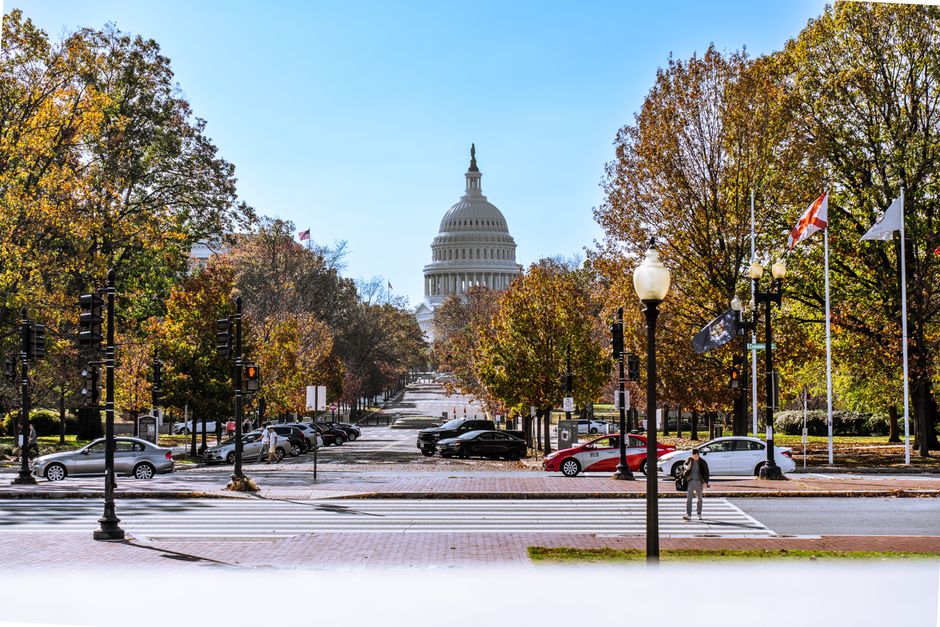
The scorecard’s China-heavy top rankings will intensify calls for US government investment in AV infrastructure.
Congressional hearings on autonomous vehicle competitiveness are expected to cite the Road to Autonomy Index.
US AV companies may accelerate lobbying for faster federal licensing of commercial robotaxi operations.
Investors are watching whether Waymo can close the deployment gap with Baidu Apollo Go this year.
Tesla’s rapid Texas fleet growth suggests it may climb the rankings significantly by year-end 2026.
The data makes clear: the global AV race is not a two-horse contest but an increasingly China-led competition.