
The United States and Iran signed a landmark nuclear memorandum on June 15, 2026, in Muscat, Oman.
The 14-point agreement covers nuclear status, Hormuz access, sanctions relief, and frozen Iranian assets.
What the Iran-US Nuclear Memorandum Actually Says

The nuclear agreement is technically a memorandum of understanding, not a binding international treaty.
It establishes a 60-day ceasefire period during which both sides will negotiate the final terms.
Iran agrees to maintain its current nuclear status quo and halt all enrichment beyond 60 percent.
The United States agrees to impose no new sanctions during the ceasefire window, per the text.
Time magazine’s leaked draft text published key sections of the leaked draft, revealing 14 points covering security and economics.
Both parties committed to weekly technical talks in Geneva to hash out the remaining disputed points.
Iran’s foreign ministry called the document a serious first step toward a comprehensive agreement.
US Secretary of State Marco Rubio signed on behalf of the American side in Muscat.
Iran’s top nuclear negotiator Abbas Araghchi confirmed the signing via state media within hours.
Congress received a classified briefing but has not been asked to ratify the agreement as a treaty.
The Strait of Hormuz and What the Nuclear Deal Changes
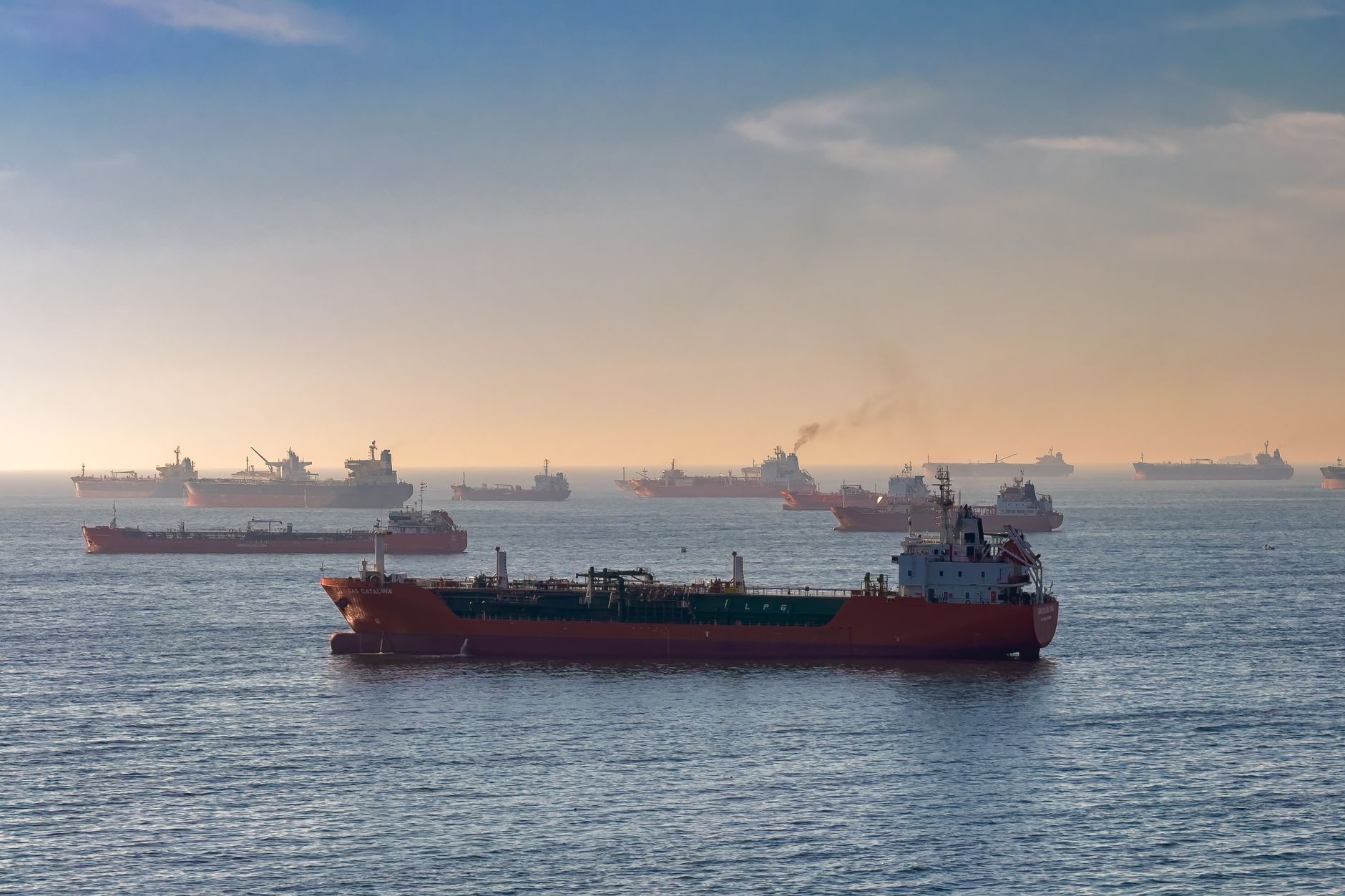
The Strait of Hormuz carries roughly one-fifth of the world’s daily oil supply through its narrow channel.
Iran had threatened to close Hormuz if military strikes targeted its nuclear facilities during negotiations.
The June 15 agreement includes an explicit Hormuz reopening clause that takes effect within 72 hours.
Oil prices fell more than eight percent on global markets within hours of the deal’s announcement.
Saudi Arabia and the UAE cautiously welcomed the news, citing relief that the strait remained open.
See CFR’s analysis of the six key issues for the six key issues CFR identified that shaped the Hormuz and ceasefire provisions.
Shipping insurance rates for Hormuz routes have already dropped significantly since the signing occurred.
US Navy assets in the Persian Gulf were placed on reduced alert status the day after the deal.
Energy analysts now expect Brent crude to stabilize below $80 per barrel through the ceasefire period.
Iran controls access to Hormuz and has used that leverage strategically in every prior nuclear negotiation.
Sanctions Relief and Frozen Assets in the Nuclear Agreement

Iran has approximately $300 billion in frozen assets across European and Asian financial institutions.
The memorandum promises full sanctions relief and asset access as part of any comprehensive final deal.
During the 60-day ceasefire, only $7 billion in humanitarian-designated funds will be unfrozen initially.
South Korea, Japan, and the EU are involved in the asset-release process alongside the United States.
Iran’s economy has contracted significantly under sanctions, and the government faces domestic pressure to deliver relief.
TrustPost also covers global climate and news updates as part of our ongoing global developments and international news coverage.
US Treasury officials stressed that sanctions snapback provisions remain in place if Iran violates terms.
The International Monetary Fund estimates Iran’s economy could grow 4-6 percent annually with full sanctions removal.
Iranian businesses and banks have already begun making contingency plans for a potential capital inflow.
Critics in Washington say the asset release is too generous given Iran’s continued support for proxies.
Iran’s Nuclear Status Quo Under the Deal
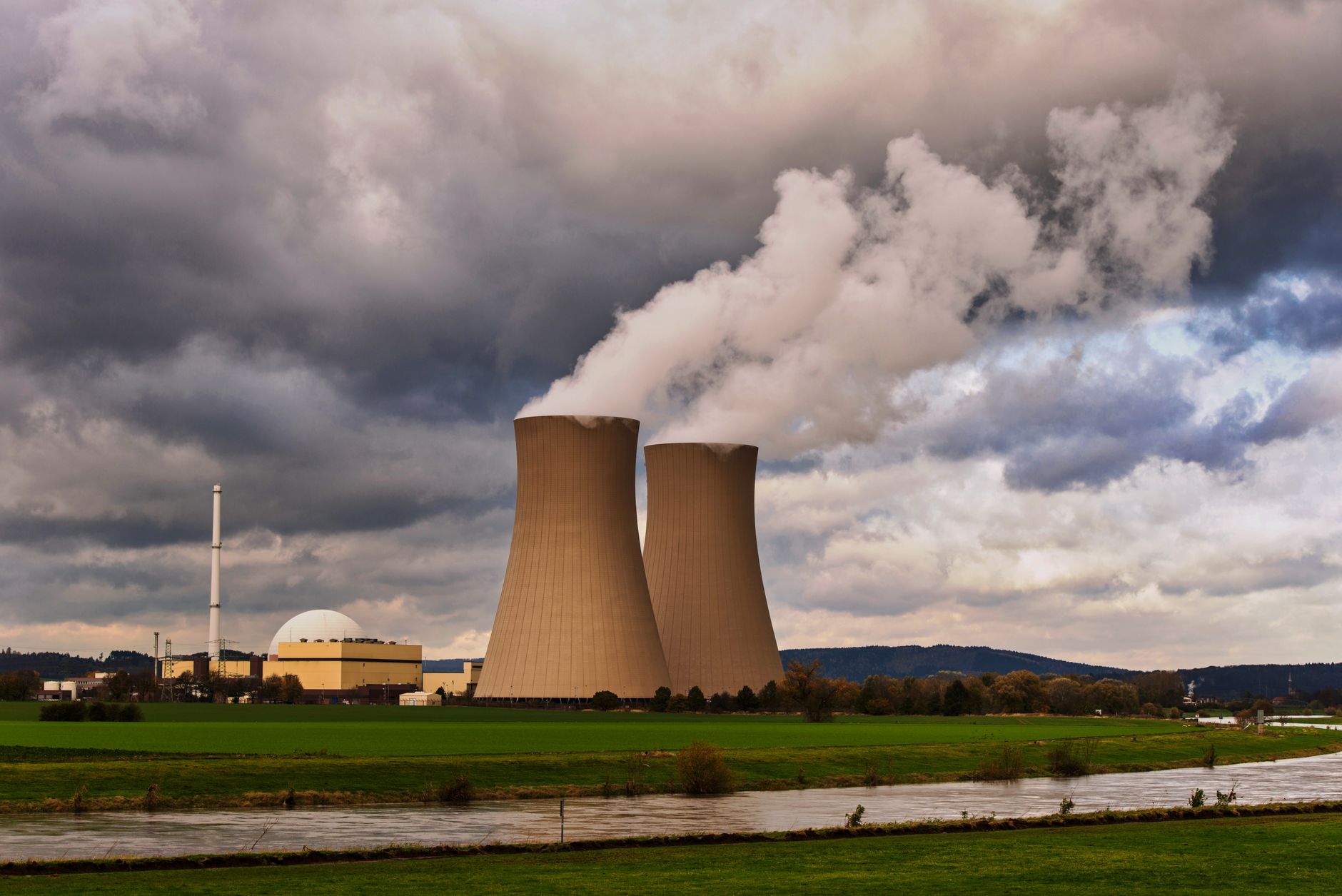
Iran currently enriches uranium to 60 percent purity, below the 90 percent weapons-grade threshold.
The memorandum requires Iran to freeze enrichment at 60 percent for the entire 60-day ceasefire period.
No dismantling of centrifuges is required under the current memorandum text, per leaked documents.
The IAEA will be granted expanded inspection access within 30 days of the memorandum taking effect.
Iran insists its nuclear program is entirely peaceful and points to fatwas banning weapons development.
Britannica’s history of Iran nuclear talks provides the full historical context of Iran’s nuclear negotiations since the early 2000s.
Israel has publicly criticized the deal, arguing the status-quo freeze does not go far enough.
US intelligence agencies assess Iran is at least six months from a testable nuclear device currently.
The final deal, if reached, would likely require Iran to reduce its stockpile of enriched uranium.
Russia and China have both welcomed the memorandum, removing potential Security Council obstruction of the deal.
How the Iran-US Nuclear Deal Affects the Middle East

The agreement dramatically lowers the risk of a US or Israeli military strike on Iranian nuclear sites.
Saudi Arabia has privately expressed concern that a US-Iran thaw could shift regional power dynamics.
Gulf states are watching to see whether Iran scales back its support for Hezbollah and Houthi forces.
The Palestinian issue remains entirely outside the nuclear deal’s scope but shapes regional reactions to it.
Iraq, which shares a border with Iran, welcomed the ceasefire and called it a stability dividend.
For more international context, see recent technology and global news and other global news tracked on TrustPost this month.
Turkey has offered to host final-deal negotiations and has positioned itself as a neutral mediator.
Yemen’s Houthi movement, backed by Iran, announced a temporary halt to Red Sea shipping attacks.
Lebanon’s government cautiously welcomed the news, hoping it reduces Hezbollah’s dependence on Iranian funding.
The deal does not address Iran’s ballistic missile program, which remains a sticking point for Israel.
What Happens After the 60-Day Iran Nuclear Ceasefire
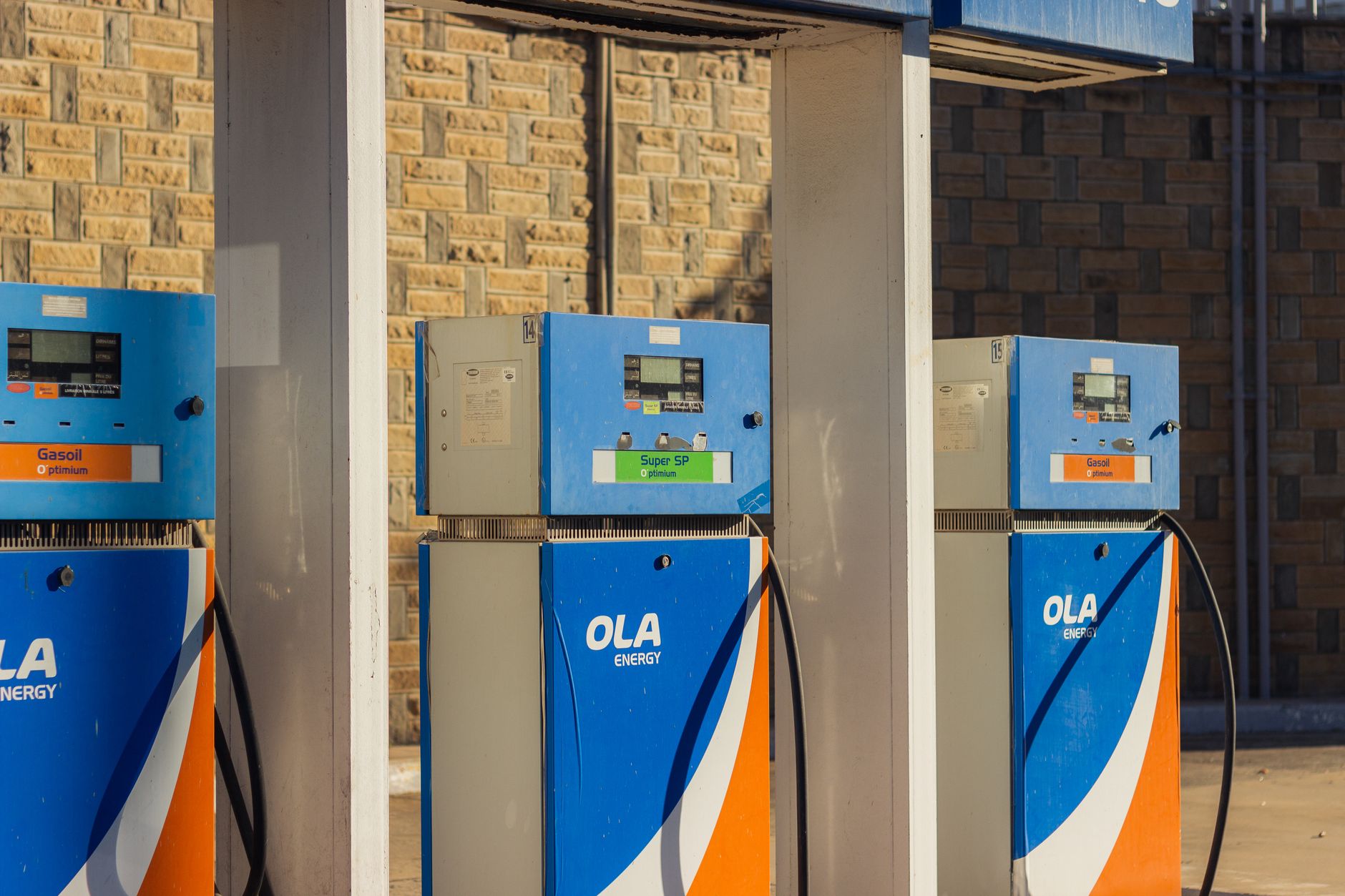
The 60-day clock started on June 15, meaning the ceasefire expires around August 14, 2026.
If both sides reach a comprehensive deal by then, a formal treaty will be drafted and signed.
Failure to agree by the deadline could trigger automatic snapback sanctions under the US framework.
Democrats and Republicans in Congress have both introduced legislation to limit executive authority over the deal.
The Trump administration has argued a Senate treaty ratification is not legally required for this agreement.
Iran’s parliament has similarly debated whether to ratify a final deal domestically or bypass the vote.
European allies are pushing for a multilateral format similar to the 2015 JCPOA structure.
Oil market traders are pricing in a 65 percent chance of a comprehensive deal by August.
Defense contractors and Gulf weapons buyers are watching the outcome closely for procurement decisions.
Arms control experts call the memorandum the most promising US-Iran diplomatic development since 2015.
Global Reaction to the Iran-US Nuclear Agreement
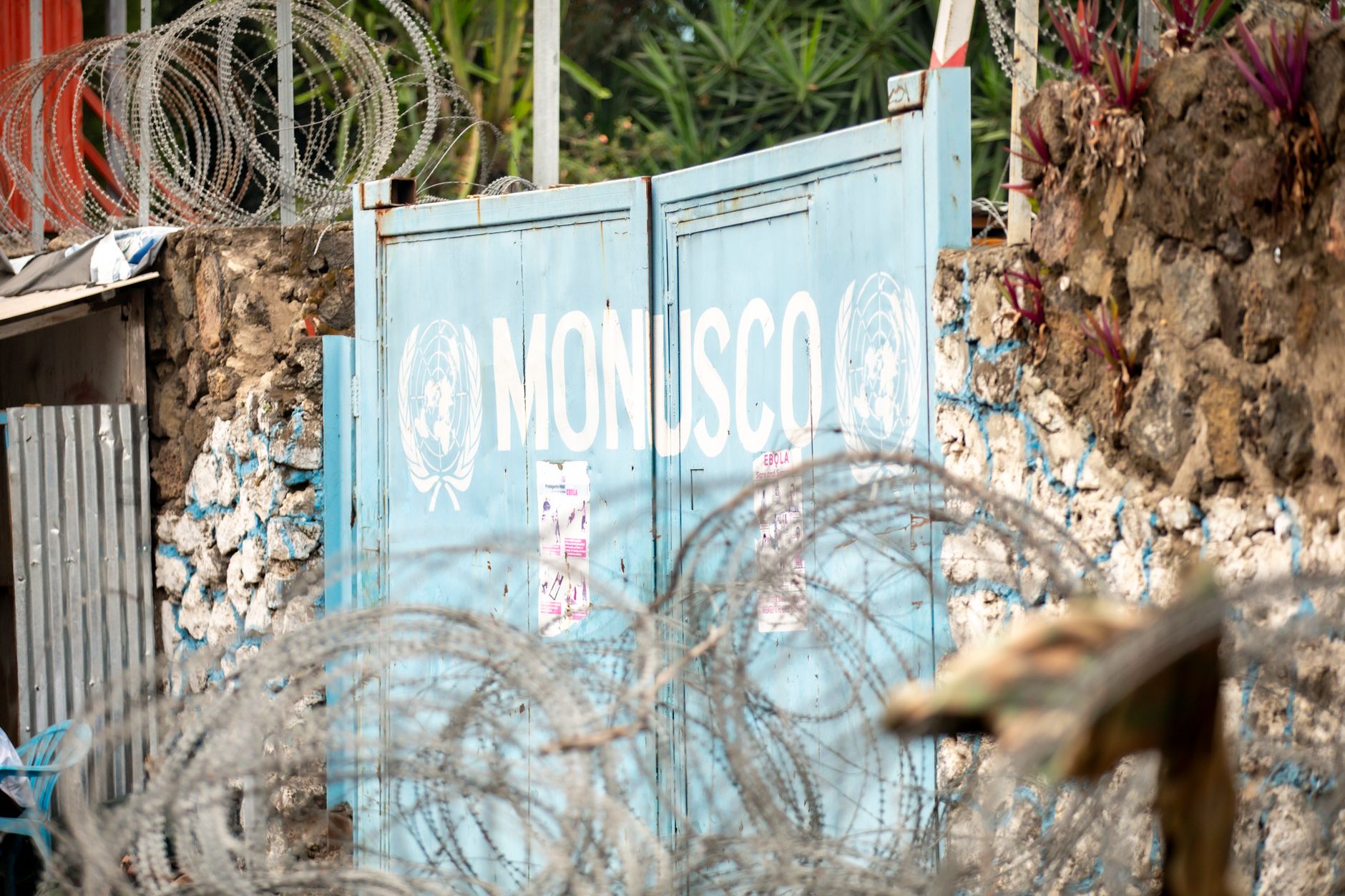
France, Germany, and the UK jointly welcomed the deal, calling it a foundation for stability.
Russia’s foreign ministry praised the memorandum and offered to host future negotiations in Moscow.
China welcomed the deal and reiterated that Iran has the right to peaceful nuclear technology.
Israel’s prime minister held emergency security talks with his cabinet following the announcement.
Saudi Arabia released a cautious statement noting it would assess the deal’s impact on regional security.
The UN Secretary-General called the ceasefire a breakthrough and pledged UN support for verification.
Markets in Dubai, Riyadh, and Tehran all rallied on the first trading day after the signing.
Human rights organizations noted the deal makes no mention of Iran’s domestic political prisoners.
Analysts say both governments need the deal for domestic political reasons as much as strategic ones.
The next 60 days will determine whether this memorandum becomes a lasting nuclear deal or collapses.
Related Articles
El Nino Declared June 2026: NOAA Confirms Pacific Ocean Event
Typhoon Jangmi Hits Japan: What Happened in Okinawa
Amazon Tests Alexa Plus in India With Hindi Language Support

Trust Post Desk
A journalist and editor at TrustPost.org covering world and national news, technology updates and human-interest stories. They check every fact, interview sources in person or online, and aim to deliver clear, accurate reporting. Their work ranges from breaking news to in-depth features and daily newsletters. Outside the newsroom, they follow emerging trends and engage with readers on social media.