
Social media bans for under-16s are spreading across countries in 2026, reshaping how platforms operate globally.
Australia, Brazil, Indonesia, Malaysia, and the UK have all taken legislative steps to restrict youth social media access.
Australia: First Country to Enforce a Social Media Ban for Under-16s
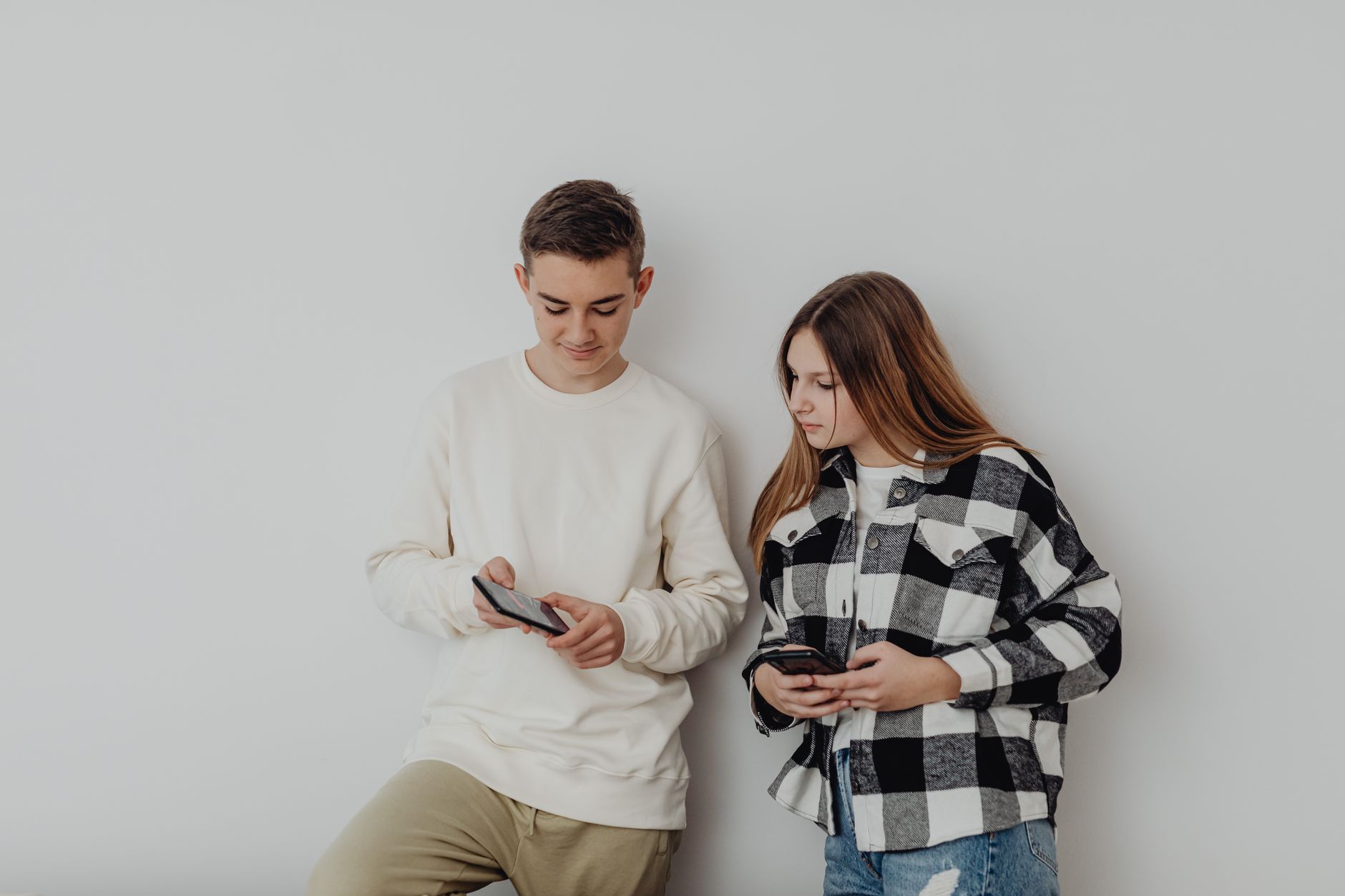
Australia passed its social media age restriction law on November 28, 2024, becoming the global pioneer.
The law came into enforcement on December 10, 2025, making Australia the first country to act globally.
Platforms including TikTok, Instagram, Snapchat, YouTube, Facebook, and X are covered by the Australian ban.
WhatsApp, Signal, and messaging apps without an open social feed are explicitly excluded from the law.
A government survey found that seven out of ten Australian parents say their children still have social media accounts.
See CNBC report on the UK social media ban for CNBC’s full breakdown of how the UK modelled its ban on Australia’s framework.
Platforms that fail to prevent under-16 access face fines of up to $32 million Australian dollars per violation.
Meta and TikTok have challenged enforcement provisions in Australian court, citing privacy and technical feasibility concerns.
Australia’s ban requires platforms to verify age without collecting sensitive biometric data under privacy rules.
Critics say the enforcement mechanism remains unclear and technically difficult to implement at scale fairly.
Brazil and Indonesia Enact Social Media Bans for Under-16s
Brazil became the second country to enforce a social media ban for minors, effective March 17, 2026.
Brazilian law sets the age limit at 14 for some platforms and 16 for open social networks.
Platforms must verify parental consent for users between 14 and 16 under the Brazilian framework.
Fines in Brazil reach up to two percent of global revenue for platforms that fail to comply.
Indonesia followed on March 28, 2026, becoming the third country to enforce strict age-based social media restrictions.
Time magazine UK ban analysis from Time magazine compares how Australia, Brazil, and Indonesia structured their enforcement frameworks differently.
Indonesia’s Ministry of Communications issued specific guidance on which apps are classified as social media under the law.
Indonesia faces significant enforcement challenges given widespread VPN use among younger users in the country.
Both Brazil and Indonesia cited mental health research as the primary justification for their legislative actions.
Social platform usage among teens in both countries has already declined following the passage of the laws.
Malaysia and the UK Join the Social Media Countries Ban Wave
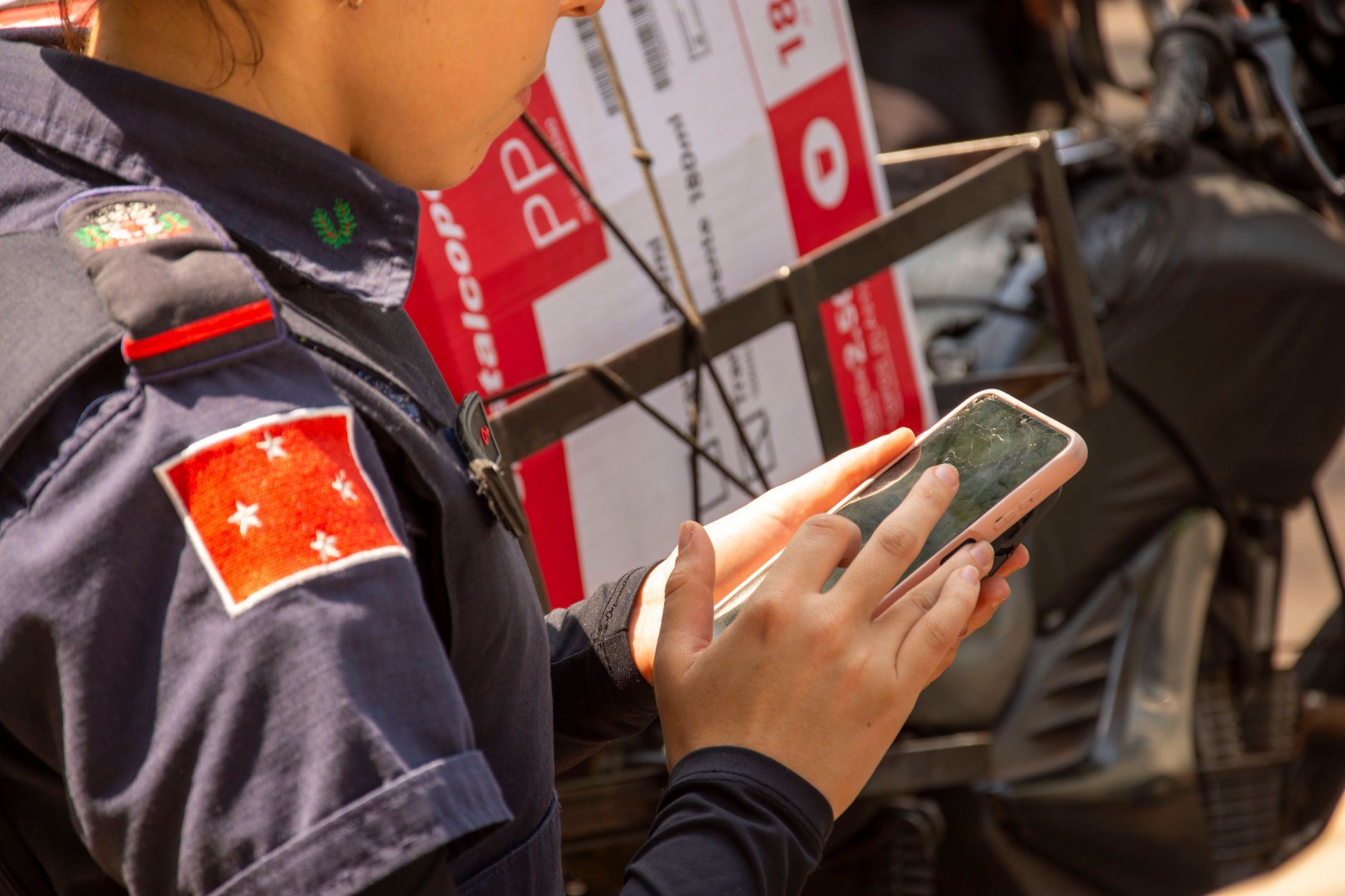
Malaysia enacted its social media age ban on June 1, 2026, becoming the fourth country to do so.
The Malaysian law applies to platforms with more than one million users in the country.
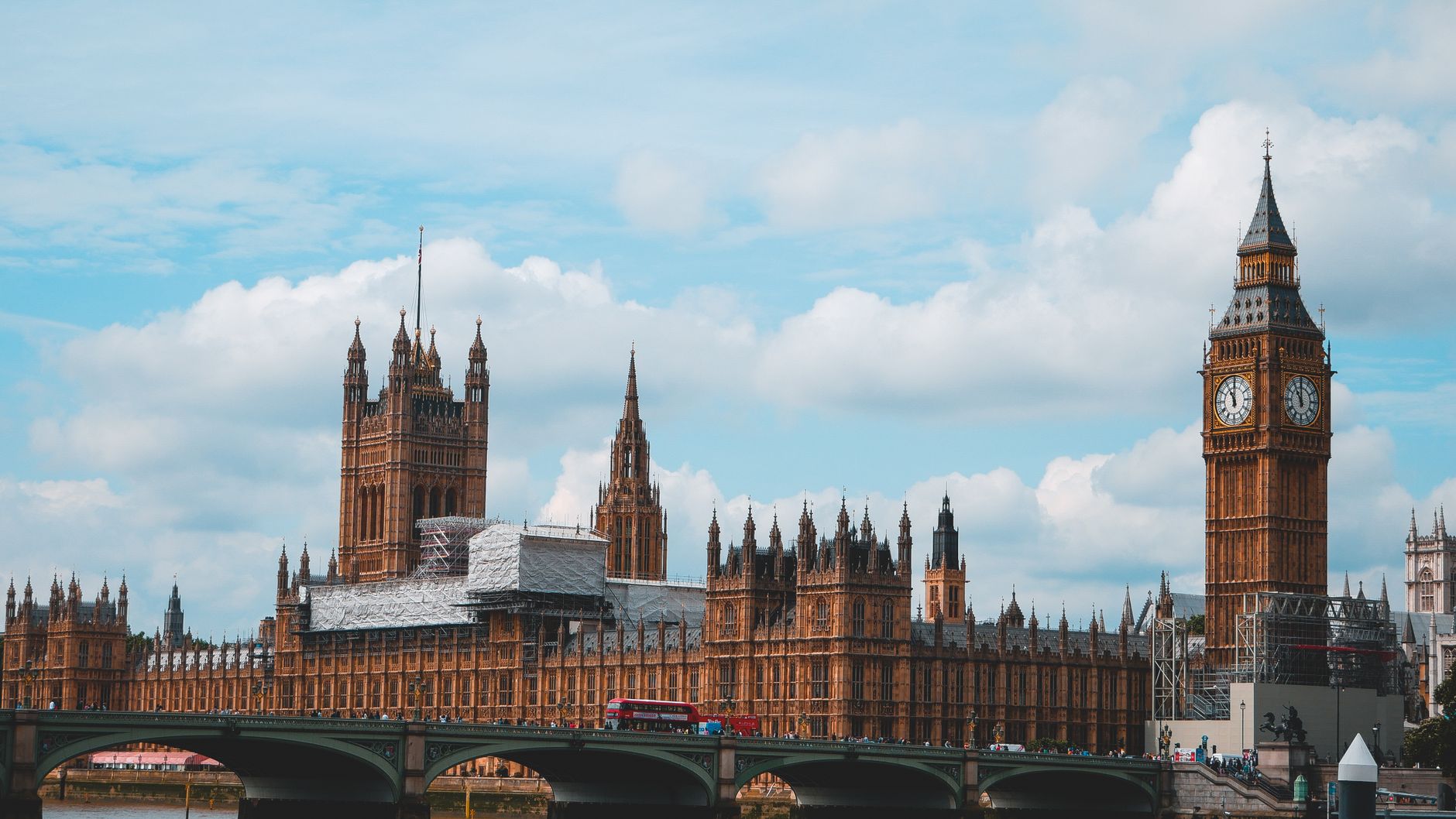
UK Prime Minister Keir Starmer announced the UK social media ban for under-16s on June 15, 2026.
The UK ban is set to come into force in spring 2027, giving platforms time to prepare systems.
Wikipedia age verification laws by country from Wikipedia tracks all online age verification laws by country for full context.
Starmer framed the UK ban as a child safety measure backed by evidence on mental health harms.
The UK Online Safety Act, already in force, provides the legal infrastructure for the new age restriction.
TikTok, Instagram, Snapchat, YouTube, Facebook, and X are all named in the UK guidance as covered platforms.
WhatsApp and direct messaging services are excluded from the UK’s ban, matching Australia’s approach.
Opposition parties in the UK have broadly supported the ban but called for faster implementation timelines.
What Social Media Platforms Must Do to Comply With Countries Bans
Platforms face a major technical challenge: verifying user age without invading privacy or enabling data misuse.
Current self-declaration systems, where users simply enter a birthdate, are considered inadequate under new laws.
Australia requires platforms to use government-linked digital ID systems or third-party age estimation tools.
Age estimation technology using facial analysis has been proposed but raises significant privacy concerns globally.
Credit card checks and mobile carrier data are alternative verification methods being discussed across countries.
TrustPost covers mental wellness trends and social media including how digital life and social media affect youth mental wellness trends.
Meta has said its existing age detection AI catches the majority of underage accounts before enforcement kicks in.
TikTok has introduced a Family Pairing feature but critics say it relies too heavily on parental action.
Snapchat launched a dedicated under-13 experience and says it has tools to detect young users at sign-up.
No platform has yet delivered a universally accepted technical solution that satisfies all regulatory requirements.
Why Countries Are Banning Social Media for Under-16s in 2026
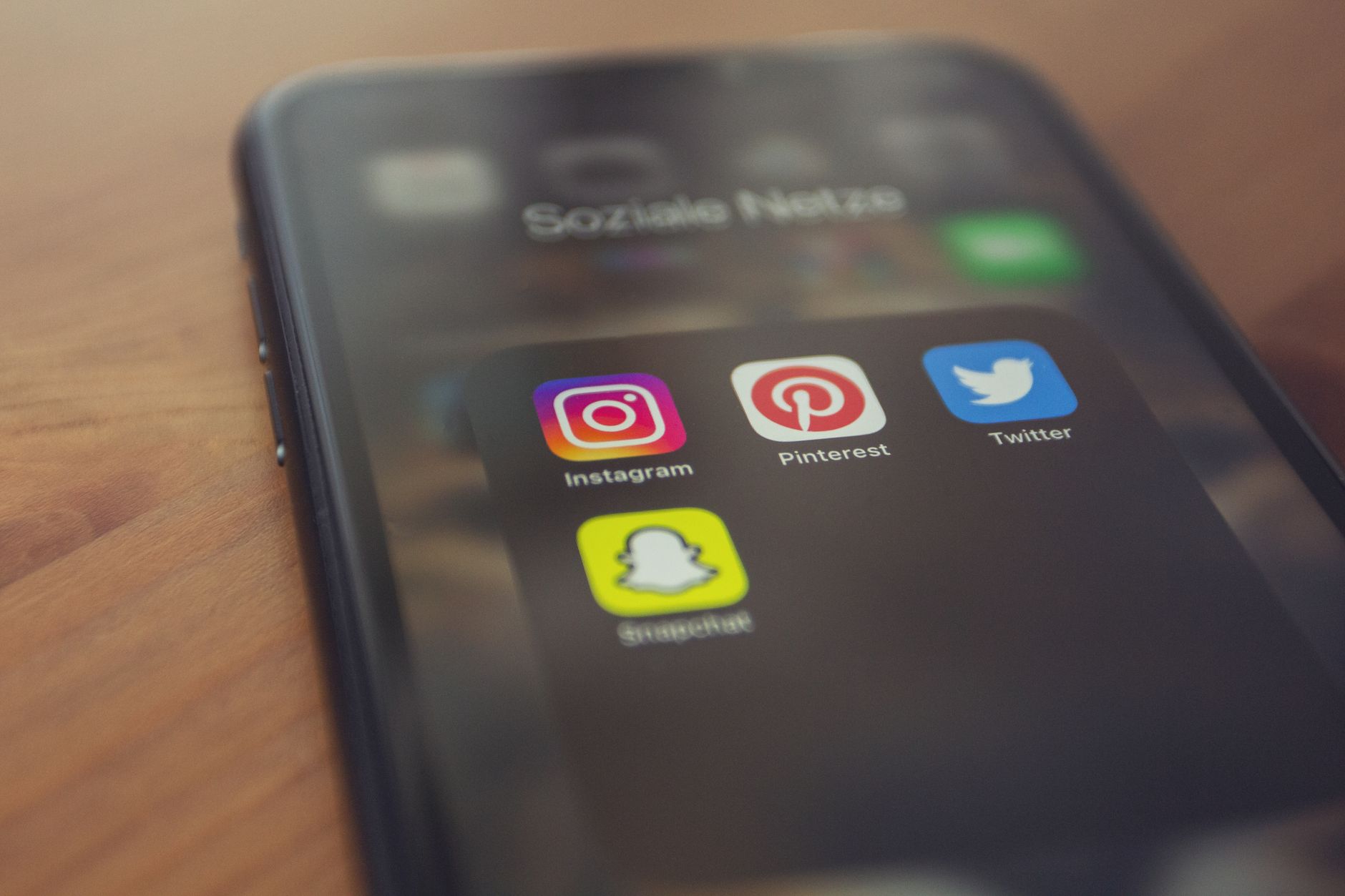
Legislative momentum comes from a growing body of research linking heavy social media use to teen mental health harm.
Jonathan Haidt’s 2024 book The Anxious Generation popularized the argument for stronger regulatory action worldwide.
Studies in the UK, US, and Australia link Instagram and TikTok use to higher rates of depression in girls.
Sleep disruption caused by late-night social media scrolling is another health concern driving legislation forward.
See teen sleep and digital wellness trends for more on how teen sleep and digital wellness are intersecting in 2026 health trends.
Body image concerns, cyberbullying, and addictive algorithm design are cited in legislative debates across all five countries.
Parents in multiple countries have organized advocacy groups calling for regulatory action ahead of legislation passing.
Pediatric organizations in Australia, the UK, and Brazil formally endorsed the age restriction policies.
Proponents argue children cannot meaningfully consent to algorithmic exposure and data collection at a young age.
The debate echoes earlier regulatory battles over alcohol, gambling, and tobacco advertising targeting younger people.
Enforcement Challenges Facing Social Media Age Ban Countries
Enforcement remains the biggest obstacle, with seven in ten Australian teens still accessing banned platforms.
VPN use has surged among teenagers in Australia following the December 2025 enforcement date.
Children using older relatives’ accounts or fake profiles remain a persistent enforcement gap in all countries.
Age verification systems that are too strict risk excluding young adults with legitimate access rights.
Civil liberties organizations have filed challenges arguing that blanket age bans violate freedom of expression.
The UN Committee on the Rights of the Child has expressed concern about overly restrictive interpretations.
Researchers warn that pushing teens to less-regulated platforms may create worse outcomes than current conditions.
Dark web and unregulated app alternatives are seeing increased downloads from teenagers in restricted markets.
Platform compliance costs are being passed to investors through reduced share prices in some technology companies.
Independent auditors have been proposed as a mechanism to verify that platforms are enforcing age restrictions.
What Comes Next for Social Media Age Restrictions Globally
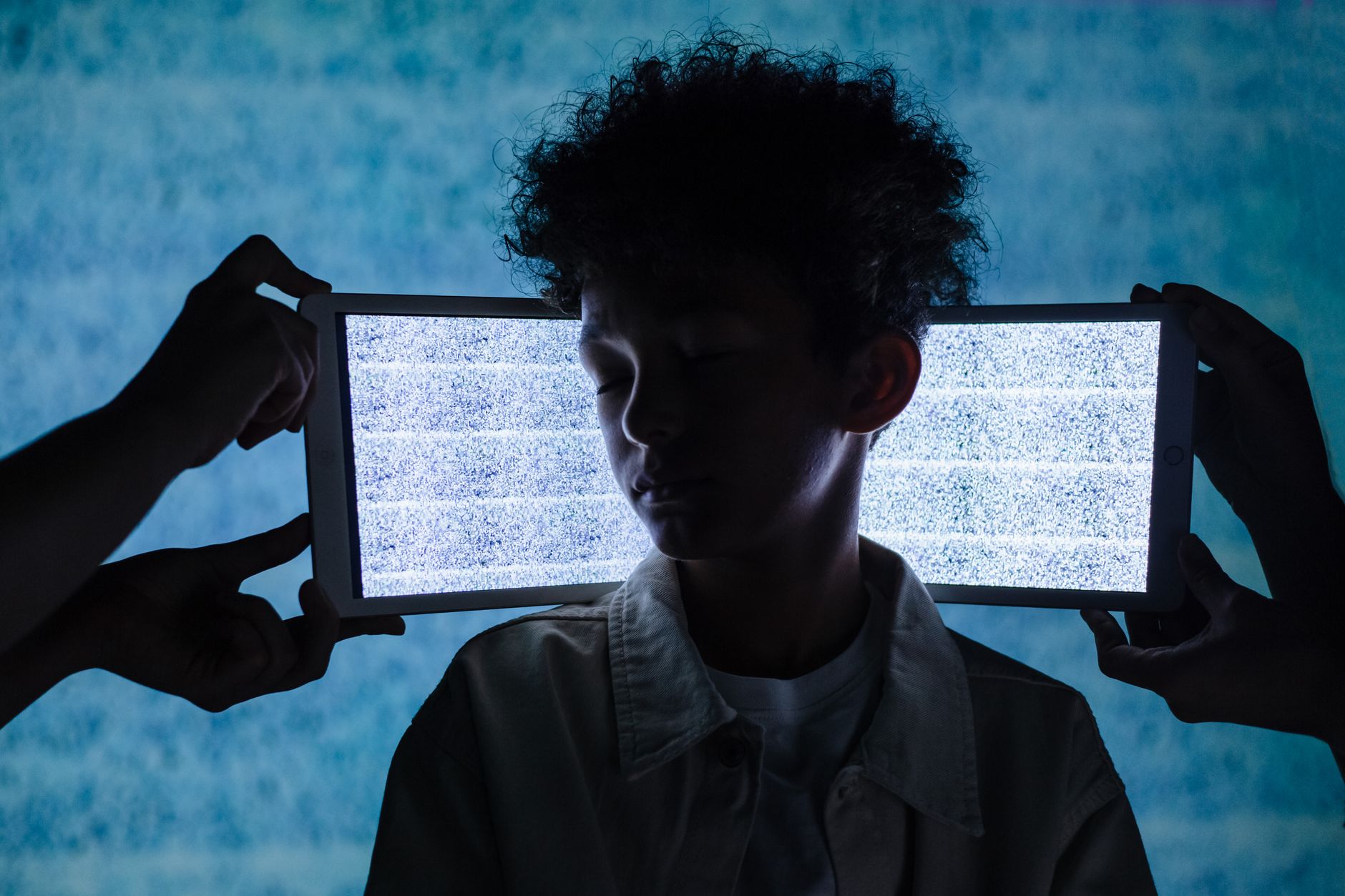
The United States has not passed a federal social media age ban but several states have enacted restrictions.
Florida, Texas, and Georgia have state-level laws restricting teen social media access that are being litigated.
The EU is watching the UK and Australia models closely before considering an EU-wide directive.
Canada announced a consultation on youth social media restrictions in May 2026, signaling legislative interest.
Japan and South Korea are also reviewing their policies following the Australian and UK announcements.
Platforms are lobbying governments to allow self-regulation rather than mandated age verification systems.
Parent and teacher advocacy groups are pushing for faster global adoption of age-based restrictions.
Mental health experts call for accompanying investments in digital literacy education alongside any ban policies.
The next 12 months will determine whether the ban model spreads to ten countries or stalls on enforcement.
Social media age restriction has become one of the defining youth policy debates of the mid-2020s decade.
Related Articles
Nervous System Regulation Is the Top Wellness Trend of 2026

Trust Post Desk
A journalist and editor at TrustPost.org covering world and national news, technology updates and human-interest stories. They check every fact, interview sources in person or online, and aim to deliver clear, accurate reporting. Their work ranges from breaking news to in-depth features and daily newsletters. Outside the newsroom, they follow emerging trends and engage with readers on social media.