
NVIDIA has unveiled a near-zero water liquid cooling system for AI data centers, slashing water consumption from 2.6 million gallons per megawatt to almost nothing.
The breakthrough, presented during London Climate Week in June 2026, uses NVIDIA’s Rubin architecture with 100 percent liquid cooling and zero fans.
NVIDIA Liquid Cooling: How AI Data Centers Achieve Near-Zero Water Consumption

NVIDIA’s new liquid cooling approach eliminates the primary source of water waste at modern AI data centers: evaporative cooling towers.
Traditional data center cooling works by running water through large cooling towers, where evaporation pulls heat away from the facility.
This method consumes enormous volumes of water. A 50-megawatt AI data center can consume 130 million gallons of water annually.
NVIDIA’s closed-loop system replaces cooling towers with outdoor dry coolers, which use air rather than evaporation to reject heat.
The dry coolers look like large radiator coils on the outside of a facility, similar to those used in automotive engines, just at massive scale.
The coolant loop is sealed and filled just once at commissioning. Water circulates inside the system for the lifetime of the facility.
NVIDIA blog: liquid cooling in AI factories explains how the NVIDIA DSX reference design guides cloud providers and data center operators building Rubin-generation facilities.
NVIDIA director Ali Heydari confirmed the system needs chillers for only about 1 percent of the year in suitable climates.
For the remaining 99 percent of operating time, the system runs with no water evaporation whatsoever.
The result is a facility that can process AI workloads at the gigawatt scale while consuming almost no freshwater from local sources.
45 Degrees Celsius: Why NVIDIA Runs Its AI Data Centers Cooling Hotter
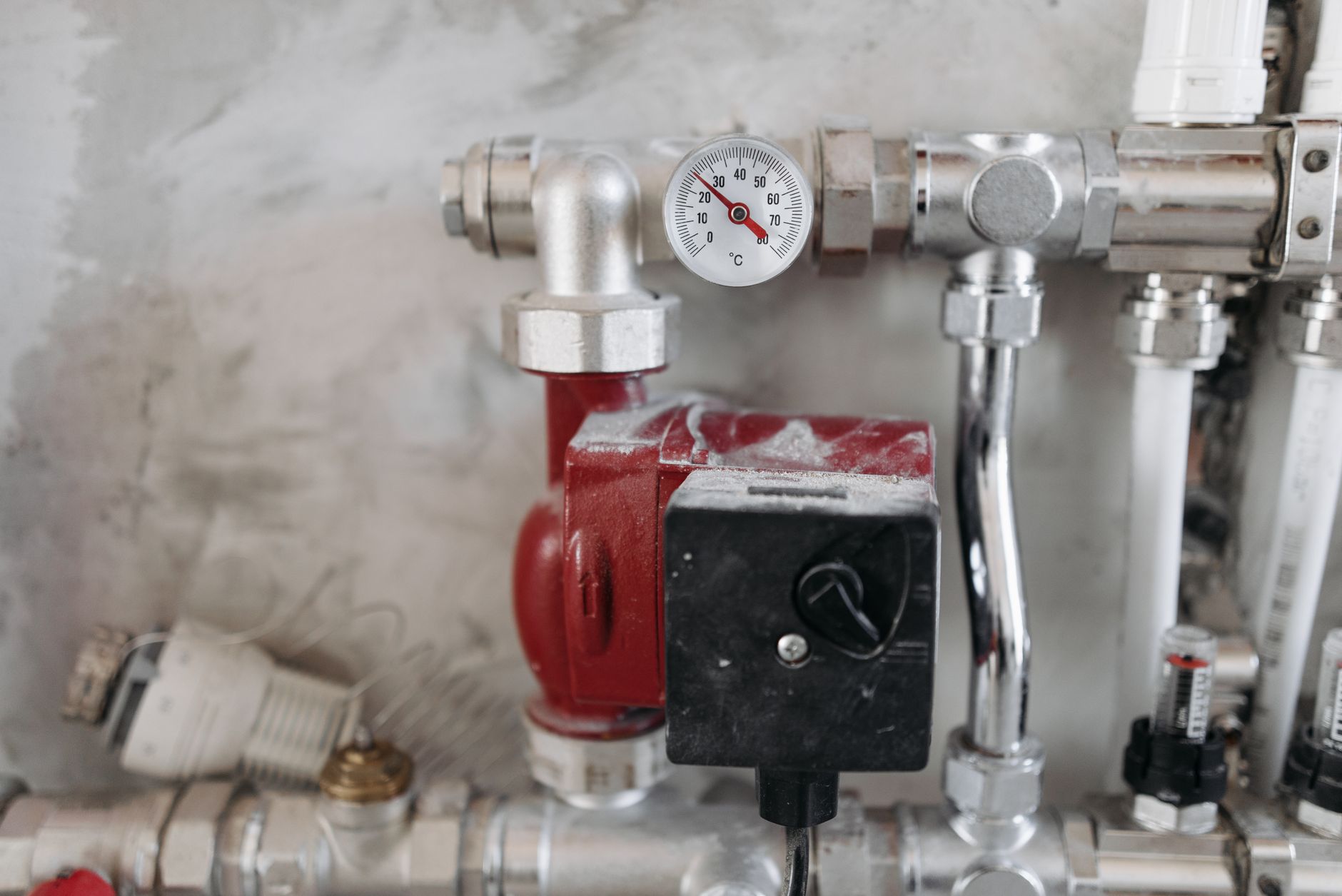
The most counterintuitive aspect of NVIDIA’s approach is that it runs its coolant at higher temperatures than competing designs.
The system circulates coolant at 45 degrees Celsius, roughly equivalent to 113 degrees Fahrenheit, hotter than a hot tub.
Conventional wisdom says cooler is better for electronics. NVIDIA’s design deliberately challenges this assumption at the system level.
The key insight is that higher coolant temperatures allow the facility to reject heat passively to the outside air more efficiently.
When coolant exits the servers at 55 degrees Celsius, that heat can be rejected to outdoor air in most climates without mechanical cooling.
NVIDIA cites industry data showing that raising chiller plant temperatures by just 1 degree reduces cooling energy costs by about 4 percent.
At 45 degrees, the savings across an entire facility add up to tens of millions of dollars annually in reduced cooling energy spend.
The coolant used is a 75-percent water, 25-percent propylene glycol mixture, chosen for its thermal properties and low environmental risk.
Cold plates sitting directly on each processor pull heat out at the source before it can dissipate into the air around the components.
Because heat stays in the liquid loop rather than heating the air, the servers can be packed more tightly together in smaller racks.
From 2.6 Million Gallons to Near Zero: NVIDIA Water Consumption Numbers

NVIDIA’s figures on water savings are specific and striking. Traditional cooling consumes about 2.6 million gallons per megawatt per year.
For a 50-megawatt AI data center, that translates to approximately 130 million gallons of freshwater consumed annually through evaporation.
With NVIDIA’s liquid cooling approach, that figure drops to near zero in suitable geographic climates with moderate outdoor temperatures.
The potential savings for a 50-megawatt facility reach over $4 million per year in cooling-related energy and water costs combined.
At the scale of a 1-gigawatt AI data center campus, which NVIDIA now designs around, the water savings become staggering.
A 1-gigawatt campus using traditional cooling would consume over 2.6 billion gallons of water each year in evaporative losses alone.
CryptoBriefing: NVIDIA Rubin liquid cooling water reduction confirmed the 100% reduction benchmark is achievable in favorable climates, with minimal chiller use in hotter regions.
NVIDIA presented these figures at London Climate Week in June 2026, where executives spoke on the environmental case for liquid cooling.
The company noted that over $4M in annual savings per 50MW site makes the business case for liquid cooling independent of environmental goals.
Combined, the financial and environmental benefits make NVIDIA’s liquid cooling system one of the most significant data center advances in years.
Closed-Loop Design: How NVIDIA Liquid Cooling Works Inside AI Data Centers
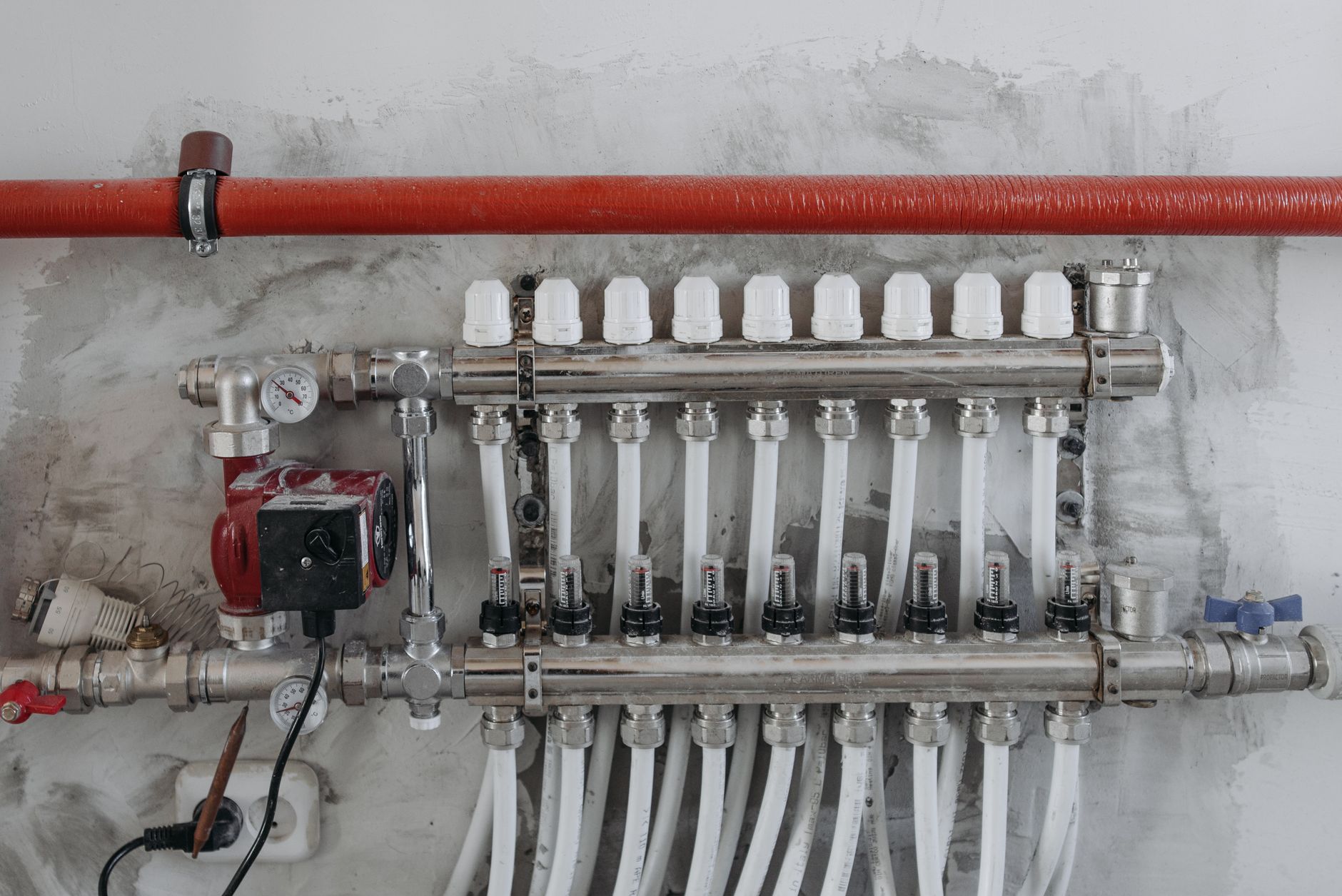
NVIDIA’s closed-loop liquid cooling system operates by circulating coolant directly through cold plates attached to every processor in the rack.
The cold plates make direct thermal contact with the processor surface, pulling heat out far more efficiently than air cooling ever could.
Once heat enters the coolant, the liquid carries it out of the server and into pipes that run to outdoor dry cooler units.
The dry coolers use finned coil heat exchangers and fans to transfer heat from the liquid into the outside air.
Unlike cooling towers, dry coolers do not depend on evaporation. No water is consumed or lost during normal operation.
The Rubin generation of NVIDIA AI servers achieves something no previous generation did: 100 percent of components cooled by liquid.
Every GPU, every networking component, every power delivery module, all cooled by the closed loop with no supplementary fans in the airstream.
Previous NVIDIA server designs still used air to cool some peripheral components. Rubin eliminates that hybrid approach entirely.
Eliminating air cooling also eliminates acoustic noise. Conventional data center cooling fans produce noise levels above 85 decibels.
A Rubin-based liquid-cooled facility operates in relative silence, with only the hum of dry cooler fans outside the building.
The Caveats: What NVIDIA’s Near-Zero Water Claim Does Not Include
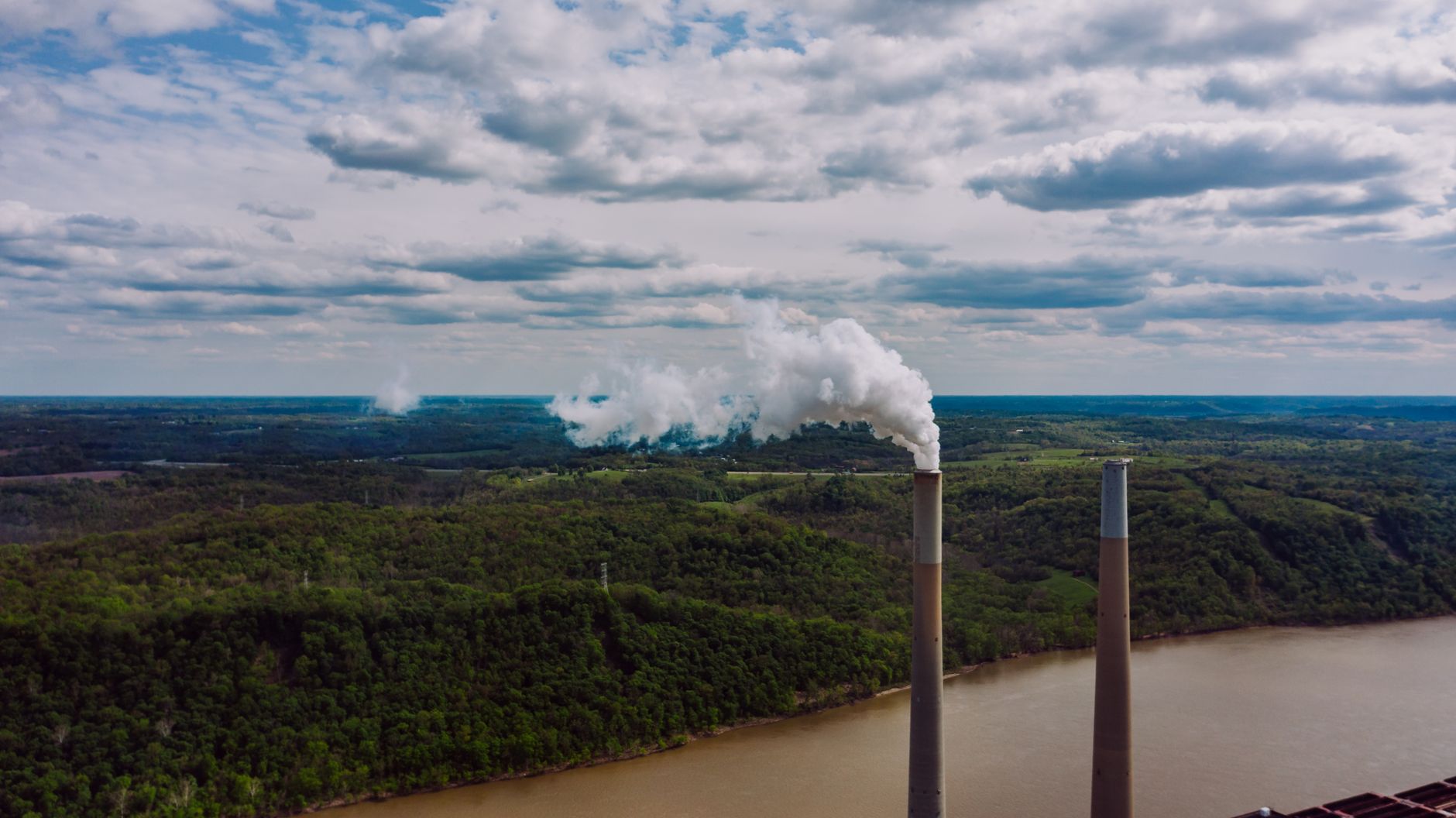
NVIDIA’s near-zero water claim is accurate for direct facility water consumption. But it excludes a major indirect water cost: electricity.
Generating electricity, whether through fossil fuels, nuclear plants, or hydroelectric dams, requires significant water in most power sources.
A gigawatt-scale AI data center running on grid power indirectly consumes billions of gallons of water through the power generation process.
As MIT Sloan: NVIDIA cooling water caveats noted, NVIDIA’s claims focus on facility water use but sidestep the electricity-related water footprint entirely.
This omission is significant, since a coal plant providing power to an AI campus can consume as much water as the old evaporative cooling did.
NVIDIA’s cooling innovation is real and valuable, but it represents one component of a broader water and energy footprint for AI infrastructure.
Data centers powered by renewable energy sources like solar or wind can address this gap, but most large campuses still rely on mixed grids.
The geographic dependency of the near-zero claim is also worth noting. Hot and dry climates may still require supplemental chiller use.
NVIDIA confirmed that even in those regions, the chiller need drops dramatically compared to traditional all-air cooling approaches.
The company encourages operators to evaluate NVIDIA DSX guidance to determine which dry-cooler-only configuration fits their specific climate.
NVIDIA Rubin Architecture: 100 Percent Liquid Cooling With No Fans
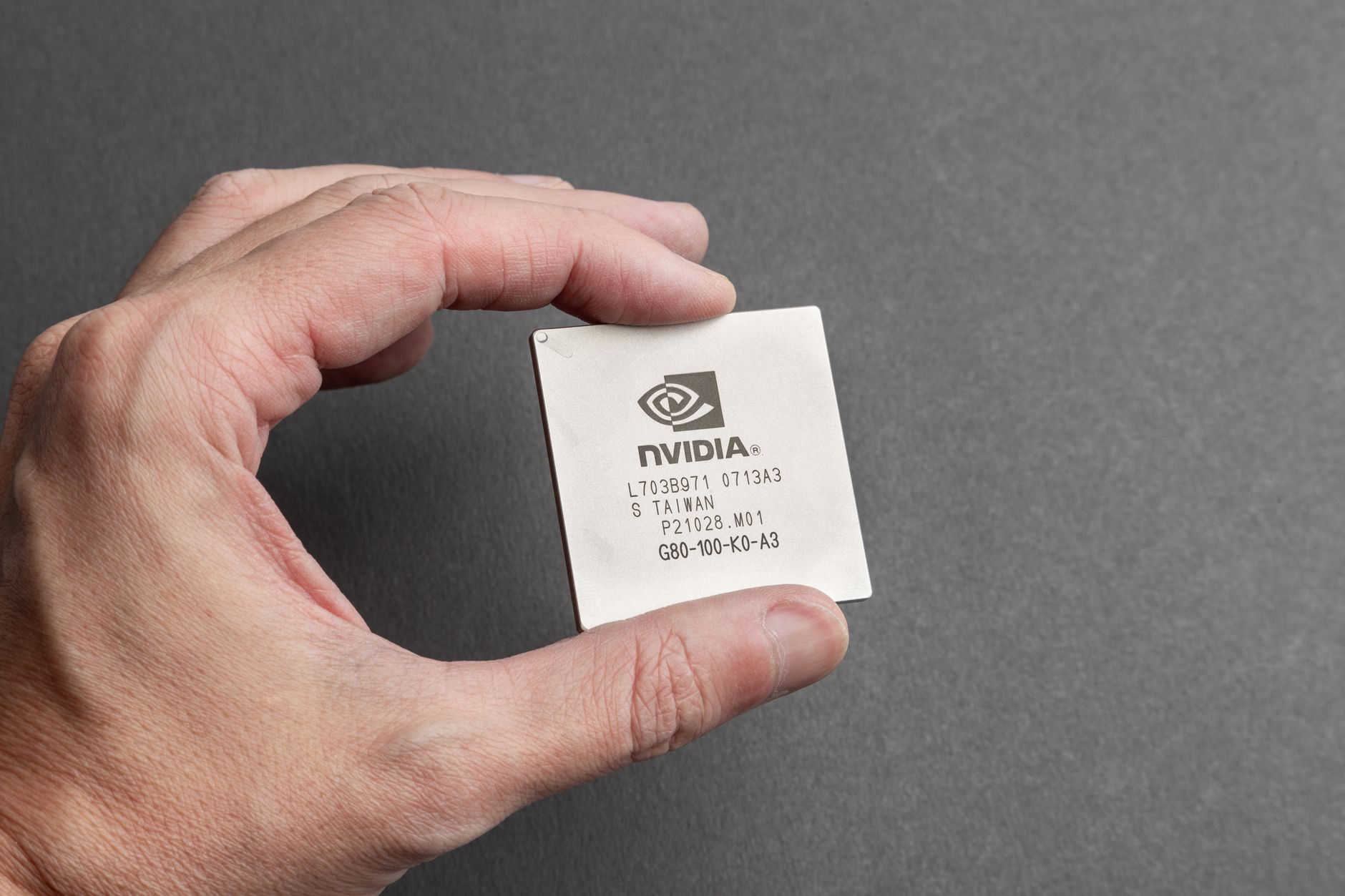
The Rubin platform is NVIDIA’s latest generation of AI computing infrastructure, designed from the start around liquid cooling as the default.
Previous NVIDIA server generations, including Hopper and Blackwell, supported liquid cooling but still required air cooling for some components.
Rubin eliminates this dependency entirely, making liquid cooling mandatory and ensuring no component is left to be cooled by airflow.
This allows servers to shrink from six rack units to two rack units, more than tripling the density of computing per rack footprint.
Higher density means a smaller facility can house the same number of GPUs, reducing real estate costs and the facility’s physical footprint.
NVIDIA partnered with Motivair, a Schneider Electric cooling division, to develop the cold plate systems used throughout the Rubin design.
Motivair’s president Richard Whitmore stated the company worked alongside NVIDIA’s roadmap for nearly a decade leading to this achievement.
The Rubin architecture also introduces higher operating power per GPU than previous generations, making effective cooling even more critical.
Higher power GPUs generating more heat per chip actually benefit more from liquid cooling, making the timing of Rubin and this system ideal.
For more big tech news, see our coverage of the Tata Electronics cyber attack that shook the supply chain.
What This Means for AI Data Centers and Climate Tech Going Forward

NVIDIA’s near-zero water cooling is arriving at a moment when the AI industry faces intense scrutiny over its environmental footprint.
AI training runs have historically been associated with enormous electricity and water consumption, drawing criticism from climate researchers.
Large language model training and inference at scale require sustained high-power GPU operation for months at a time in massive clusters.
If liquid cooling becomes standard for AI data centers, global water savings would be measured in hundreds of billions of gallons annually.
The technology is particularly relevant for water-scarce regions such as the American Southwest, the Middle East, and parts of South Asia.
These are precisely the regions where data center buildout is accelerating fastest, driven by energy costs, land availability, and policy incentives.
Industry analysts expect NVIDIA’s DSX dry-cooler reference design to become the baseline specification for hyperscaler data center construction.
Google, Microsoft, Amazon, and Meta are all building gigawatt-scale AI campuses and face regulatory and reputational pressure to minimize water use.
Also check our review of the ASUS ROG XREAL R1 gaming glasses and the latest Prime Day Amazon device deals for top tech picks.
NVIDIA’s announcement signals that reducing AI’s environmental impact is no longer just a PR goal – it is now built into the architecture itself.
Related Articles
Tata Electronics Cyber Attack Exposes Apple and Tesla Trade Secrets
ASUS ROG XREAL R1: First 240Hz Gaming Glasses With 171-Inch Screen
Best Prime Day 2026 Amazon Device Deals: Echo, Ring, Fire TV, Blink

Trust Post Desk
A journalist and editor at TrustPost.org covering world and national news, technology updates and human-interest stories. They check every fact, interview sources in person or online, and aim to deliver clear, accurate reporting. Their work ranges from breaking news to in-depth features and daily newsletters. Outside the newsroom, they follow emerging trends and engage with readers on social media.