Amazon Now, the quick commerce arm of Amazon India, is expanding aggressively to over 300 cities as the battle for fast delivery heats up.
The service promises delivery in minutes and marks Amazon’s most serious push yet into India’s booming quick commerce market.
With this expansion, Amazon aims to build what it calls India’s largest delivery-in-minutes network nationwide.
It is a bold bet on a market where speed and convenience increasingly decide which retailer wins.
What Is Amazon Now
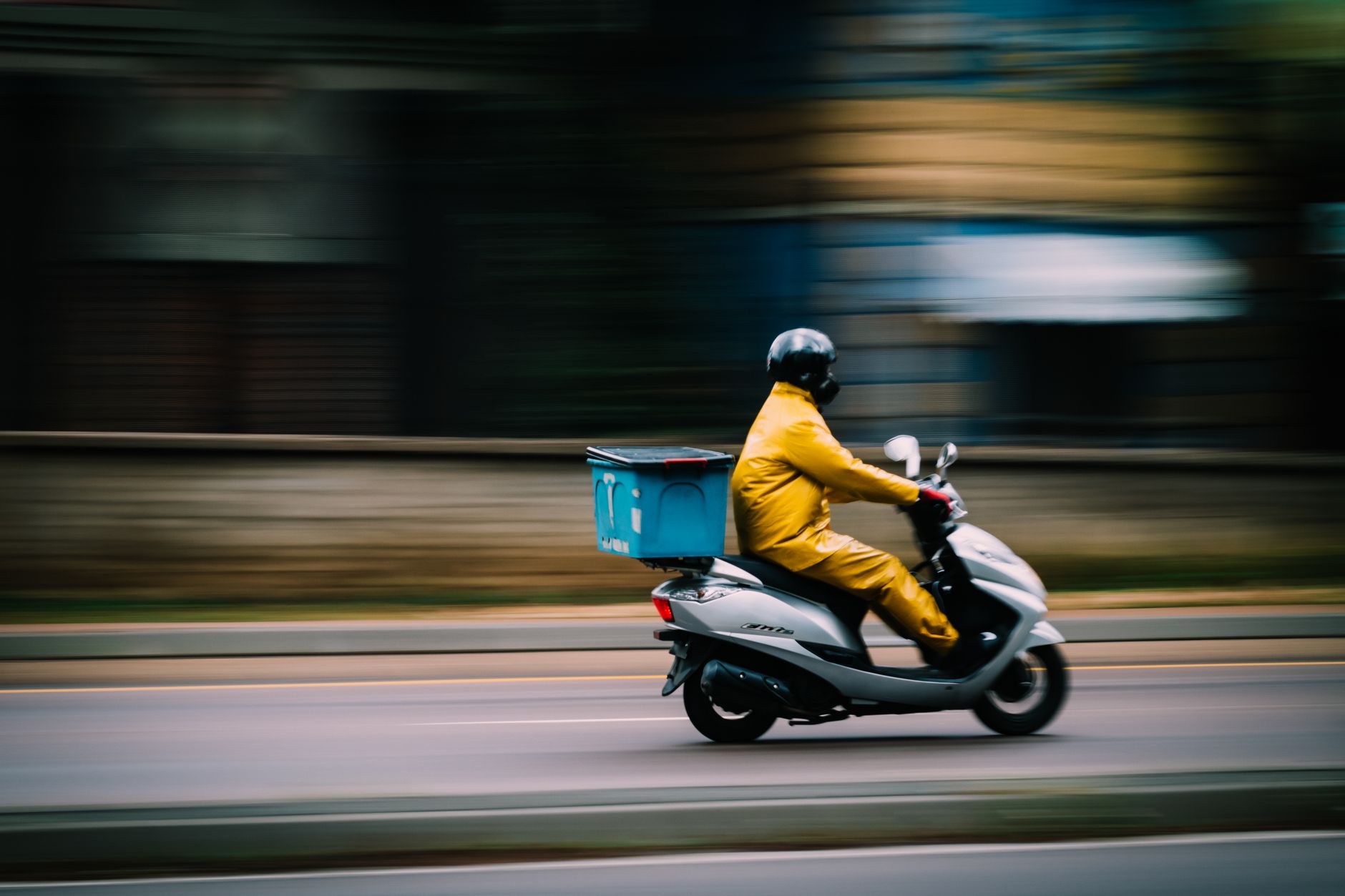
Amazon Now is Amazon India’s quick commerce service, designed to deliver everyday essentials in just minutes.
It competes directly with rivals that have made ultra-fast grocery and daily-needs delivery hugely popular across India.
Customers order through the Amazon app and receive items from nearby fulfilment hubs, often within ten minutes.
The service started in a handful of metros and has rapidly become a core part of Amazon’s India strategy.
It already reaches more than 50 million customers across over 15 metro and non-metro cities today.
Existing cities include Bengaluru, Delhi-NCR, Mumbai, Pune, Hyderabad, Amritsar, and Kochi, among several others.
The promise of ten-minute delivery has reshaped how many urban Indians shop for daily essentials.
Amazon leverages its existing logistics strength and brand trust to win over quick commerce customers.
The Amazon Now 300-City Expansion Plan
Amazon announced plans to scale Amazon Now to customers in over 300 cities across the country.
That is a sharp jump from its earlier target of around 100 cities, showing far greater ambition.
The goal is to build India’s largest delivery-in-minutes network, reaching deep into smaller towns too.
This rapid scaling signals how seriously Amazon now takes the quick commerce opportunity in India.
According to the official Amazon India announcement, the company is investing heavily in new infrastructure to support this growth.
The expansion positions Amazon to challenge entrenched rivals on both speed and nationwide reach.
Which Indian Cities Are Getting Amazon Now
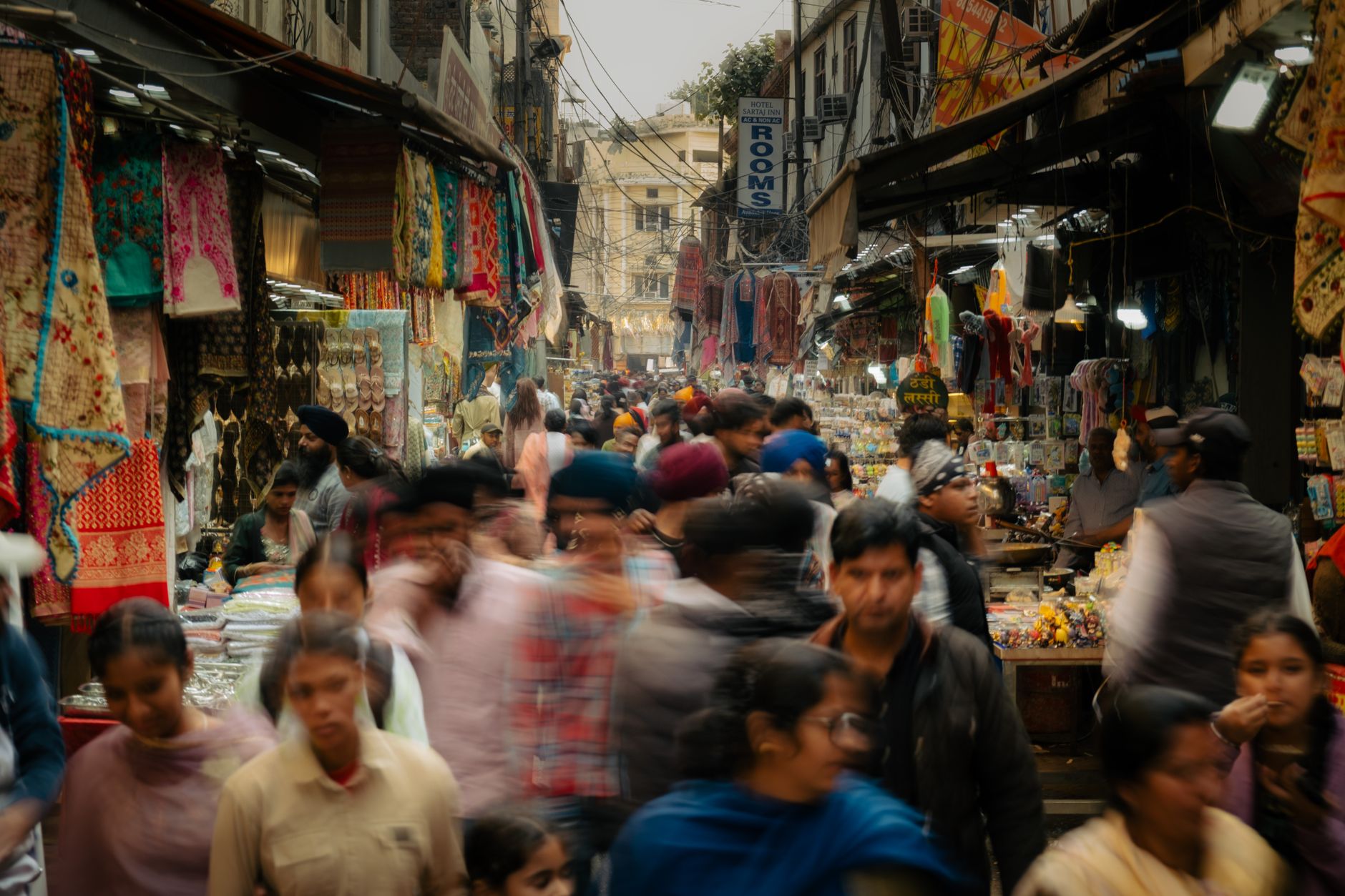
The expansion spans a wide mix of large metros and fast-growing tier-two cities across India.
New and expanding cities include Pune, Hyderabad, Chennai, Kolkata, Jaipur, Lucknow, Kanpur, and Chandigarh.
The list also covers Ahmedabad, Meerut, Mysore, Panipat, Kochi, Amritsar, Mangalore, and Vizag.
These join the core markets of Mumbai, Delhi-NCR, and Bengaluru where the service first gained traction.
By targeting smaller cities, Amazon hopes to reach customers that rivals have not yet fully served.
As News9 report on the expansion reports, this broad footprint could become a major advantage over city-focused competitors.
Urban Fulfilment Centres and New Product Categories
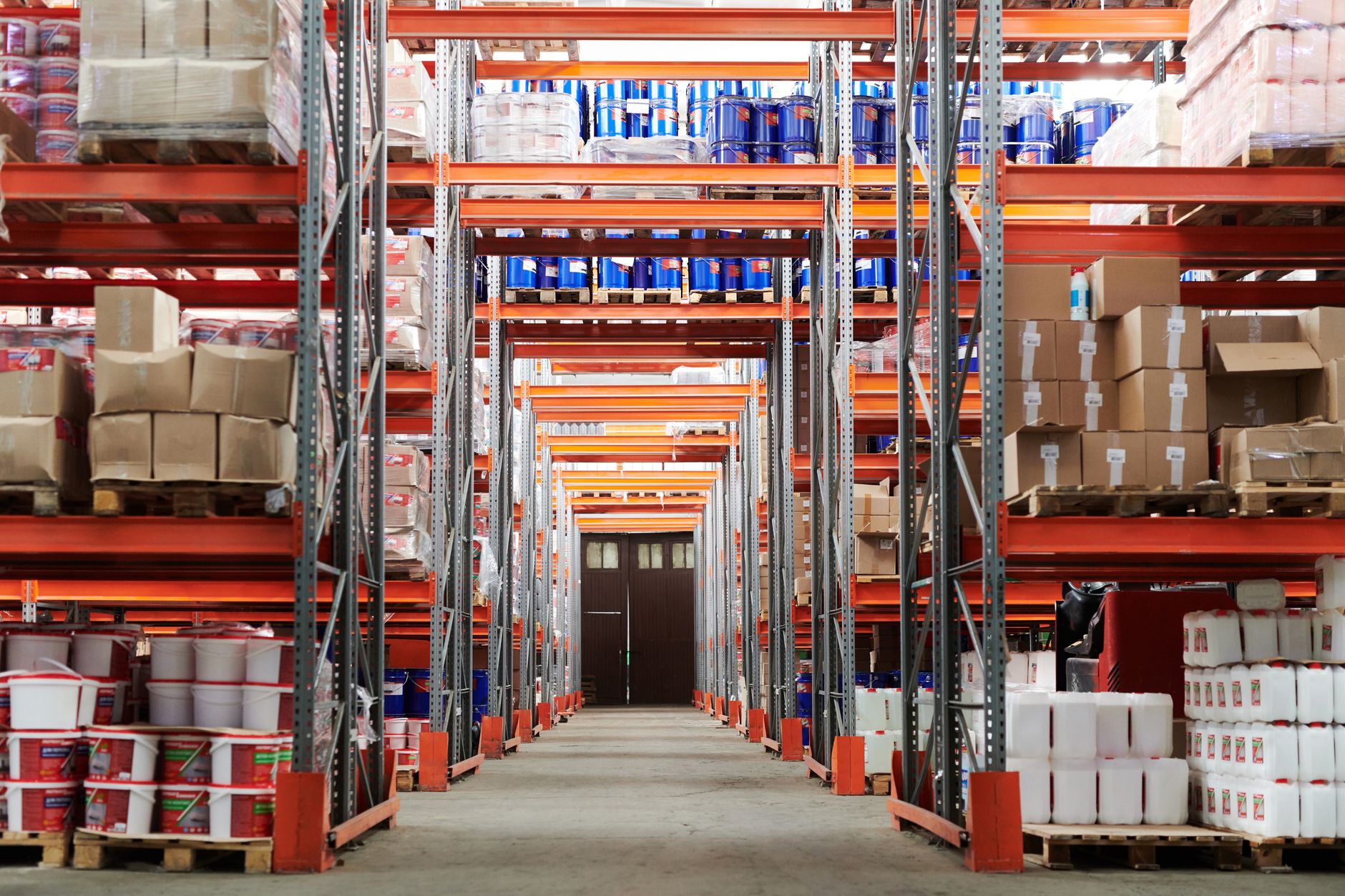
To power faster delivery, Amazon is opening over 100 new larger-format facilities across the country.
These Urban Fulfilment Centres store more products closer to customers for quicker, minutes-based dispatch.
They will progressively launch in Bengaluru, Chennai, Delhi-NCR, Hyderabad, and Mumbai first.
Crucially, these centres expand Amazon Now beyond groceries into much broader product categories.
Shoppers will soon get apparel, electronics, jewellery, and more delivered within minutes, not days.
That selection edge could set Amazon Now apart from rivals focused mainly on groceries and essentials.
Faster access to electronics and fashion could pull a new kind of shopper into quick commerce.
Storing varied stock near customers is costly, but it unlocks deliveries rivals cannot yet match.
Explosive Growth: Orders Doubling Every Quarter

Amazon Now has quickly become the fastest-growing ecommerce business unit in Amazon India’s history.
Orders have reportedly doubled every quarter since the service first launched in the market.
That kind of momentum is rare and shows strong demand for ultra-fast delivery among Indian shoppers.
The rapid growth has clearly encouraged Amazon to dramatically widen its expansion ambitions.
Sustained doubling, if it continues, would make Amazon Now a serious force in just a few years.
The Indian Retailer coverage notes this growth is reshaping Amazon’s broader strategy in the country.
The Sammaan Initiative for Delivery Workers

Alongside the expansion, Amazon launched Sammaan, a program focused on the welfare of delivery associates.
The initiative aims to improve the well-being and working conditions of the workers powering fast delivery.
It forms part of Amazon’s recently announced $300 million investment in operations and associate welfare in India.
A portion of that investment is allocated specifically toward strengthening the Sammaan program.
Worker welfare has become a sensitive issue across the demanding quick commerce industry in India.
By spotlighting associate care, Amazon hopes to differentiate itself in a fiercely competitive sector.
Better conditions can also help retain riders, who are essential to keeping delivery times low.
Amazon Now vs Blinkit, Zepto, and Swiggy Instamart

Amazon enters a market already dominated by well-funded and fast-moving quick commerce players.
Blinkit leads with around 2,100 dark stores and roughly 48% of the market share.
Zepto operates over 1,100 dark stores, while Swiggy Instamart runs a similar number with 23 to 25% share.
Together with Flipkart Minutes, these players control well over 90% of the current market.
Amazon’s deep pockets, logistics network, and huge customer base make it a credible new challenger.
Its push into apparel and electronics could also open a different lane from grocery-first rivals.
Still, rivals have a head start with dense dark-store networks and loyal, habit-driven customers.
Winning share will require Amazon to match rivals on speed while leaning on its scale advantages.
India’s Booming Quick Commerce Market
India’s quick commerce market was worth around $5.38 billion in 2025 and keeps expanding rapidly.
Analysts project it will reach roughly $9.95 billion by 2029, growing about 17% each year.
That fast growth explains why every major retailer wants a strong position in the space.
Indian consumers have embraced delivery in minutes for groceries, snacks, and last-minute needs.
Urbanisation, smartphones, and digital payments have all fuelled the rapid rise of quick commerce.
Convenience now rivals price as the deciding factor for many busy, time-pressed Indian households.
Amazon’s late but aggressive entry could intensify competition and benefit shoppers with better service.
For deal hunters, our guide to the best Amazon device deals pairs well with faster Amazon delivery options.
What Amazon Now Means for Shoppers

For Indian shoppers, the expansion means faster delivery and more choices reaching far more cities.
Increased competition usually pushes companies to improve speed, selection, and pricing for customers.
Amazon Now’s move into apparel and electronics could make minutes-delivery useful well beyond groceries.
Smaller-city residents, often underserved by rivals, stand to gain the most from this nationwide rollout.
As the battle intensifies, shoppers can expect better offers, wider ranges, and quicker doorstep delivery.
Bargain seekers can also explore our Prime Day Apple deals for the best technology savings online.
Related Articles
Best Prime Day Amazon Device Deals 2026: Echo, Ring, Fire TV, Blink
Best Prime Day Apple Deals 2026: iPad, AirPods, MacBook, Watch

Trust Post Desk
A journalist and editor at TrustPost.org covering world and national news, technology updates and human-interest stories. They check every fact, interview sources in person or online, and aim to deliver clear, accurate reporting. Their work ranges from breaking news to in-depth features and daily newsletters. Outside the newsroom, they follow emerging trends and engage with readers on social media.