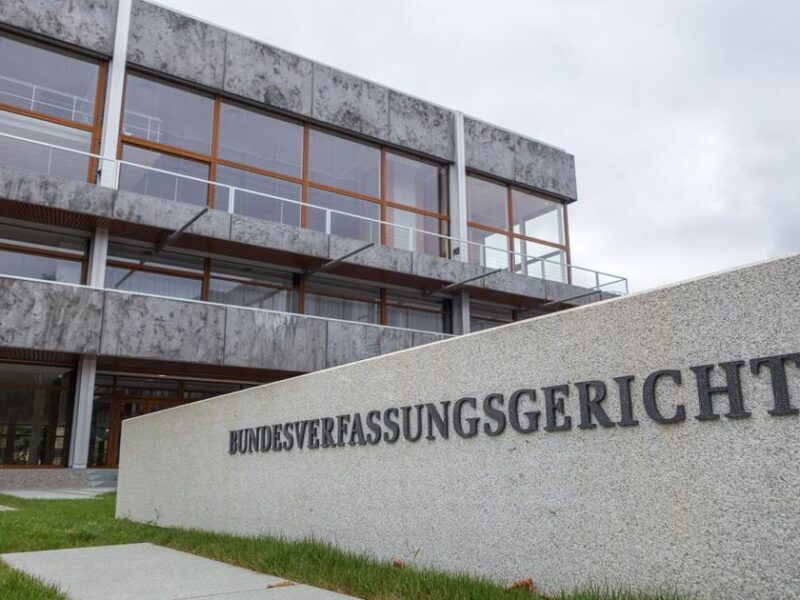
The highly anticipated oral trial in the ‘Caso Lautaro’ commenced in mid-May 2026 at the Tribunal Oral en lo Penal de Temuco, Chile, nearly four years after the alleged incidents occurred. This judicial proceeding reignites critical discussions surrounding the Chilean state’s approach to the Mapuche conflict and accusations of criminalizing Indigenous demands for territorial autonomy.
Five Mapuche communal members, including Pelentaro Llaitul Pezoa, son of prominent Coordinadora Arauco-Malleco (CAM) leader Héctor Llaitul, face severe charges. The prosecution is seeking lengthy prison sentences, ranging from 59 to 71 years of effective imprisonment for the accused individuals.
Commencement of the Lautaro Trial in Temuco
The trial, which is expected to span approximately 29 sessions, began under significant police and military security. It addresses events that allegedly took place in 2022 at Fundo San Luis, situated in the commune of Lautaro within the La Araucanía Region.
The Tribunal Oral en lo Penal de Temuco, a court responsible for conducting oral trials in criminal matters, is presided over by judges José Ignacio Rau, Wilfred Ziehlmann, and Javier Bascur. The case had experienced multiple prior suspensions, making its recent commencement a focal point for human rights organizations, political factions, and business interests in La Araucanía.
The Fiscalía Regional de La Araucanía, the regional public prosecutor’s office, has formally accused Pelentaro Llaitul Pezoa, Luis Menares Chañilao, Luis Fuenzalida Eneros, Jorge Caniupil Coña, and Juan Mardones Sáez. The charges include robbery with victim retention, robbery with intimidation, arson, unjustified shootings, possession of prohibited weapons, and illegal possession of ammunition.
Allegations of Criminalization and Due Process Concerns
The defense for the accused has vociferously argued that the ‘Caso Lautaro’ exemplifies the criminalization of the Mapuche cause. Magdalena Rivera, a defense attorney, raised concerns regarding the reliance on protected witnesses and the aggregation of multiple criminal charges to pursue exceptionally long sentences.
Rivera contended that the Ministerio Público, Chile’s public prosecutor’s office, is employing extraordinary legal mechanisms to reframe territorial and political demands as matters of internal security. This perspective highlights a complex intersection of identity and law, where cultural and political grievances intersect with criminal justice.
Ernesto Llaitul, a Mapuche spokesperson and brother to one of the accused, echoed these sentiments. He publicly stated that Mapuche communities harbor no trust in the impartiality of either the Fiscalía or the broader Chilean Judicial Power. Llaitul also criticized Fiscal Roberto Garrido, alleging connections between him and corporate interests, particularly within the region’s forestry industry.
The trial unfolds within the broader context of a State of Constitutional Exception, a measure implemented by the Chilean government in southern provinces. This exceptional legal framework, which allows for increased military presence and restrictions on certain constitutional rights, aims to address rural violence and incendiary attacks in the area known as the Macrozona Sur.
Broader Implications for Mapuche Rights and State Relations
The ‘Caso Lautaro’ is not an isolated incident; it forms part of a series of judicial processes involving members or affiliates of the Coordinadora Arauco-Malleco (CAM). The CAM, established in the late 1990s, is an autonomist Mapuche organization that has been subject to repeated investigations concerning incendiary attacks, land occupations, and armed actions in southern Chile.
Héctor Llaitul, Pelentaro Llaitul Pezoa’s father and a historical leader of the CAM, was himself convicted in 2024. His sentence exceeded 20 years for offenses related to usurpation, timber theft, and attacks against authority. These cases collectively underscore the ongoing tension and conflict between the Chilean state and Mapuche communities seeking territorial recognition and autonomy.
The legal proceedings in Temuco, as detailed by El Clarín, bring renewed attention to the state’s handling of the Mapuche conflict, the application of exceptional penal legislation, and the role of the judiciary within a landscape marked by militarization, rural violence, and demands for territorial self-determination in Wallmapu. The outcome of this trial will undoubtedly contribute to the ongoing debate about justice and Indigenous rights in Chile, much like how courts globally are holding governments accountable in other critical areas.
The defense’s claims of political persecution and the use of extraordinary legal tools to address what they characterize as political and territorial demands highlight a fundamental disagreement over the nature of the conflict. This dispute over classification – whether actions are criminal or political – has profound implications for how justice is administered and perceived by the affected communities. The case also draws parallels to other high-profile legal battles, such as Harvey Weinstein’s legal battle, where public perception and legal strategy often intertwine.
Frequently Asked Questions
What is the ‘Caso Lautaro’?
The ‘Caso Lautaro’ refers to an oral trial that commenced in mid-May 2026 at the Tribunal Oral en lo Penal de Temuco, Chile. It involves five Mapuche communal members accused of various crimes, including robbery, arson, and illegal weapons possession, stemming from alleged events in 2022.
Who are the key individuals accused in this case?
The five accused individuals are Pelentaro Llaitul Pezoa, Luis Menares Chañilao, Luis Fuenzalida Eneros, Jorge Caniupil Coña, and Juan Mardones Sáez. Pelentaro Llaitul Pezoa is notably the son of Héctor Llaitul, a prominent leader of the Coordinadora Arauco-Malleco (CAM).
What are the main criticisms leveled against the prosecution in the ‘Caso Lautaro’?
The defense and Mapuche spokespersons allege that the case represents a criminalization of the Mapuche cause. Criticisms include the use of protected witnesses, the accumulation of charges to seek exceptionally high sentences, and claims that the Public Ministry is mischaracterizing political and territorial demands as internal security issues. Concerns about the impartiality of the Fiscalía and the judiciary have also been raised.
Conclusion
The ‘Caso Lautaro’ trial represents a pivotal moment in the ongoing legal and political discourse surrounding the Mapuche people’s struggle for land and autonomy in Chile. The proceedings in Temuco will not only determine the fate of the five accused individuals but will also significantly influence the national and international perception of how Chile addresses Indigenous rights and dissent. The outcome is anticipated to further shape the debate on the balance between state security measures and the protection of fundamental human rights within the context of a long-standing historical conflict.

Trust Post Desk
A journalist and editor at TrustPost.org covering world and national news, technology updates and human-interest stories. They check every fact, interview sources in person or online, and aim to deliver clear, accurate reporting. Their work ranges from breaking news to in-depth features and daily newsletters. Outside the newsroom, they follow emerging trends and engage with readers on social media.