George Russell dramatically secured pole position for the Austrian Grand Prix yesterday, snatching the top spot in a controversial qualifying session marred by Max Verstappen’s late crash. The Mercedes driver navigated the chaotic final moments of Q3 with exceptional judgment, clocking a lap time of 1 minute, 6.113 seconds.
Russell’s triumph came despite a significant lift off the throttle under single yellow flags, beating Ferrari’s Charles Leclerc by 0.236 seconds. The incident sparked immediate debate, but race officials ultimately deemed Russell’s actions appropriate, allowing his pole position to stand.
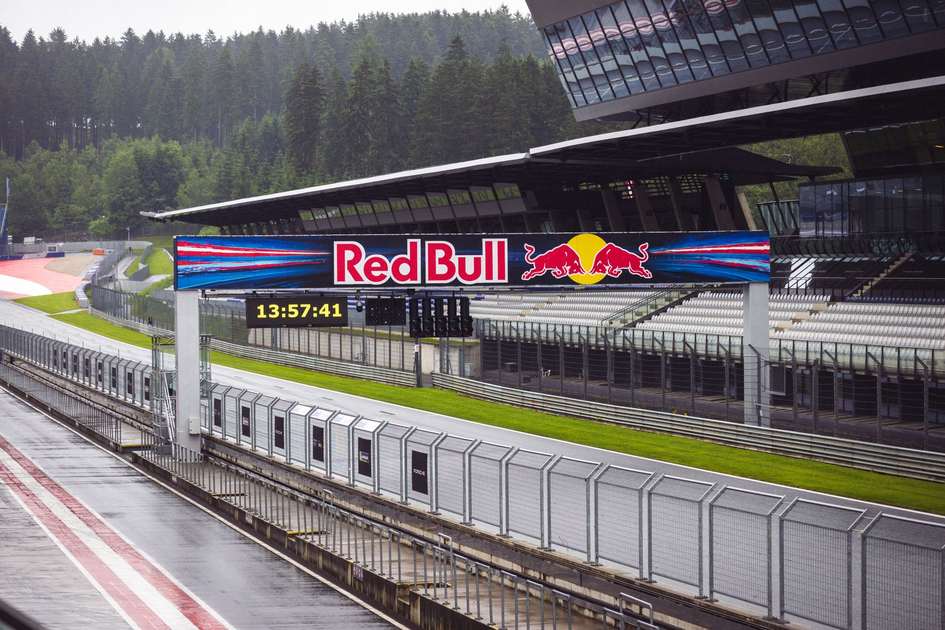
This pivotal moment sets the stage for a thrilling race at the Red Bull Ring, with Russell leading the grid ahead of Leclerc and his Mercedes teammate, championship leader Kimi Antonelli, who starts fourth after aborting his own flying lap under the same yellow flag conditions.
Russell’s Calculated Risk Secures Pole After Verstappen’s Crash
The final seconds of Q3 were a whirlwind of high-stakes drama. Max Verstappen, pushing hard on his last flying lap, lost control of his Red Bull at Turn 9, sliding across the gravel and into the wall.
This incident immediately triggered yellow flags. Ferrari initially believed they had locked out the front row with Leclerc and Lewis Hamilton, who had already completed their laps.
However, Russell was still on a blistering lap behind Verstappen. Approaching the scene of the crash, he encountered single yellow flags, which require drivers to slow down but not necessarily abort their lap.
Mercedes team principal Toto Wolff confirmed Russell executed a 100-meter lift through the yellow flag zone, costing him an estimated 0.15 seconds. Despite this slowdown, Russell had built such a significant advantage that he still crossed the line with a two-and-a-half tenths lead over Leclerc.
The stewards noted Russell’s actions but took no further action, confirming that only a single yellow flag was displayed when he passed the incident. It took an additional 15 to 20 seconds for race control to override this signal and display double yellow flags, by which time Russell had already cleared the affected section of the track.
Russell himself stated he was five tenths up going into the final corner and finished two and a half tenths up, confidently asserting his compliance with the regulations. He also noted he did not see Verstappen’s car in the barriers, only the single yellow flag on the digital warning board.
The Yellow Flag Dilemma: Russell’s Gain, Antonelli’s Loss
The yellow flag incident created a stark contrast in fortunes and decision-making between the two Mercedes teammates. While Russell correctly interpreted the single yellow flag and lifted just enough to maintain his advantage, championship leader Kimi Antonelli made a different call.
Antonelli, who was on a strong lap and just 0.043 seconds behind Russell after their first Q3 attempts, aborted his final run. He believed he had seen double yellow flags, which mandate immediately abandoning the lap.
Mercedes team principal Toto Wolff acknowledged Antonelli’s impression of a double yellow. Antonelli later admitted his mistake, stating, “Realistically, it was a mistake from my side because I thought I saw the (double) yellow, and instead it was a single, so I completely aborted the lap where I could’ve just done a lift like George did.”
This misjudgment cost Antonelli a potential front-row start, relegating him to fourth place. He conceded that while pole might have been difficult, a front-row position was certainly within reach.
The incident highlights the immense pressure and split-second decisions drivers face in qualifying, particularly under rapidly changing track conditions. It also adds a fascinating dynamic to the burgeoning rivalry between Russell and his teenage teammate, with Russell making a clear point about his pace and judgment.
Mercedes’ Qualifying Prowess and Race Day Challenges
Russell’s pole position marks his fourth of the season, extending Mercedes’ unbeaten streak in single-lap pace this year. This performance is a significant comeback for Russell, who experienced a front wing issue at the last round in Barcelona.
Despite Ferrari’s strong showing in Spain, the Silver Arrows once again demonstrated their qualifying advantage at the Red Bull Ring. Lewis Hamilton, after an initial mistake, recovered to secure third place, putting two Mercedes cars in the top four.
The FIA had already declared a heat hazard for the Austrian F1 Grand Prix, adding another layer of challenge for Sunday’s race. High temperatures will test tire degradation and driver endurance, potentially mixing up the strategic landscape.
Verstappen’s crash means he will start fifth, a strong recovery given the incident, but still behind the two Ferraris and his championship rivals. Meanwhile, Verstappen in McLaren talks for a blockbuster Norris partnership has been a hot topic off-track, adding intrigue to his current Red Bull struggles.
Ferrari’s Charles Leclerc, who secured second place, demonstrated strong pace throughout qualifying. He will be a significant threat to Russell, especially with Ferrari’s reputation for strong race starts.
Further down the grid, Fernando Alonso continued his challenging season, starting 21st for Aston Martin. His team’s struggles were evident, with Alonso finishing almost a second behind the next slowest car.
The outcome of qualifying has significant implications for the championship battle. Antonelli currently leads the standings by 41 points over Hamilton and 50 points over Russell. This pole position is crucial for Russell to start closing that gap, especially against his teammate.
The psychological edge gained by Russell over Antonelli in this dramatic session cannot be understated. While Antonelli has won five of seven races this season, Russell’s decisive action under pressure and subsequent pole position could be a turning point in his confidence and momentum.
This incident also brings to mind previous controversies, such as when Mercedes eyed legal action over a Monaco F1 penalty farce, highlighting the high stakes and scrutiny in Formula 1. The stewards’ swift and clear decision in Austria helped to mitigate a prolonged dispute.
Frequently Asked Questions
Why was George Russell’s pole position considered controversial?
Russell’s pole was controversial because he set his fastest lap time under yellow flag conditions, which were brought out by Max Verstappen’s crash. However, race stewards reviewed the incident and confirmed that only a single yellow flag was displayed when Russell passed, and he appropriately lifted off the throttle, making his lap legal.
How did Kimi Antonelli’s decision differ from Russell’s, and what was the impact?
Kimi Antonelli, Russell’s teammate and championship leader, aborted his final flying lap because he believed he saw double yellow flags, which require drivers to stop. Russell, however, correctly identified a single yellow flag, lifted off, and then continued his lap. Antonelli’s decision cost him a potential front-row start, placing him fourth, while Russell secured pole.
What are the starting positions for the top five drivers in the Austrian Grand Prix?
The top five starting positions for the Austrian Grand Prix are: 1. George Russell (Mercedes), 2. Charles Leclerc (Ferrari), 3. Lewis Hamilton (Mercedes), 4. Kimi Antonelli (Mercedes), and 5. Max Verstappen (Red Bull).
A High-Stakes Race Awaits
The stage is now set for an electrifying Austrian Grand Prix. George Russell’s controversial but ultimately legal pole position has injected immense drama into the weekend, creating a fascinating dynamic at the front of the grid.
With championship leader Kimi Antonelli starting directly behind him and the fast-starting Ferraris of Leclerc and Hamilton flanking him, Russell faces a stern test to convert his pole into a victory. The race promises strategic battles, intense wheel-to-wheel action, and potentially further twists in the championship narrative.

Trust Post Desk
A journalist and editor at TrustPost.org covering world and national news, technology updates and human-interest stories. They check every fact, interview sources in person or online, and aim to deliver clear, accurate reporting. Their work ranges from breaking news to in-depth features and daily newsletters. Outside the newsroom, they follow emerging trends and engage with readers on social media.