Imagine sifting through decades of old magazines for work, a task that quickly becomes repetitive, only to stumble upon a piece of your own family history. This is precisely what happened to a Southern Living editor who, while digging through the publication’s archives, discovered 14 holiday recipes from her own grandmother, Kreis Beall, featured in a December 1992 issue.
This unexpected find not only brought a forgotten family legacy to light but also highlighted the profound connections that can exist between personal history and broader cultural narratives. It underscores the enduring power of food and family traditions, revealing how a simple work assignment can unearth deeply personal treasures.
Unearthing a Family Legacy in Southern Living’s Archives
The discovery unfolded as the Southern Living editorial staff embarked on a new project: sifting through the magazine’s extensive archives, which date back to its inaugural year in 1966. Editors were assigned specific years to comb through, tasked with extracting recipes for the initiative.
The editor in question was assigned issues from 1981 and 1992. The initial process involved a fun, albeit repetitive, journey through culinary history, encountering everything from questionable savory gelatin molds to humorously named dishes like “Graveyard Grumblings” and “Patio Blush.”
Many of these vintage recipes were originally sourced from readers and home cooks, a practice that helped build Southern Living into the iconic brand it is today. This reader-contributed content often captured the authentic flavors and traditions of the American South.
After meticulously going through nearly 900 recipes from 1992, the editor was working through the December issue. It was during this almost automatic process that a familiar last name on page 110 brought her to an abrupt halt: Kreis Beall, her own grandmother.
The December 1992 issue featured 14 of Kreis Beall’s holiday recipes, a fact the editor had never known, as the publication date predated her birth. The revelation was a profound and unexpected personal connection within her professional work.
Kreis Beall’s 1992 Holiday Menu Revealed
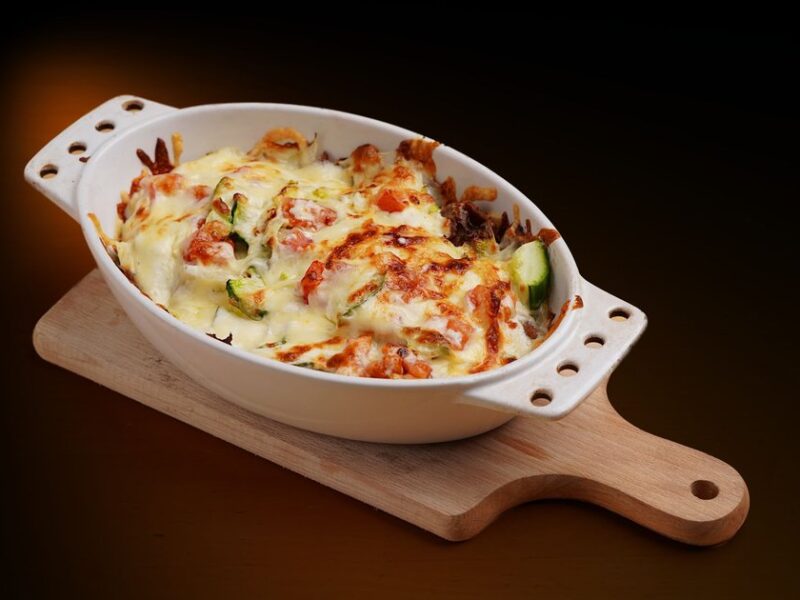
The discovered recipes immediately resonated with the editor, as some were familiar dishes that had always graced her family’s table, albeit in slightly evolved forms. Among these were Crispy Cornbread, Fresh Turnip Greens, Wild Rice and Oysters, Sweet Potato Hash, and Roasted Vidalia Onions and Carrots.
While these dishes continue to be family staples, the 1992 menu, as presented in the magazine, more closely resembled what the family now prepares for Thanksgiving rather than Christmas. This subtle shift highlights how family culinary traditions adapt and change over time, even while retaining their core essence.
However, not all the recipes were familiar. The editor noted that she had never encountered dishes like Mountain Trout Cakes with Lemon Butter Sauce or Buttermilk-Raisin Biscuits, which famously called for Applejack brandy-soaked raisins, coming out of her grandmother’s kitchen.
Upon her incredible discovery, the editor immediately contacted her grandmother, Kreis Beall. True to form, Kreis Beall possessed a vivid and precise memory of the 1991 photoshoot that took place at her Tennessee farmhouse, confirming the authenticity and personal history behind the recipes.
The news quickly spread through the family text chain. The editor playfully declared, “cancel the carrot soufflé and beef tenderloin – we have a new holiday menu with trout cakes this year,” signaling a joyful embrace of these rediscovered family traditions.
The Enduring Power of Family Recipes and Archival Work
This story is a powerful reminder of the hidden treasures that can lie within archives and the unexpected ways we connect with our past. For the editor, who had worked at Southern Living for nearly six years, the discovery was a deeply personal and serendipitous event. Had she been assigned a different year, or if another editor had undertaken the task, this piece of family history might have remained unknown.
The incident also sheds light on the broader cultural significance of publications like Southern Living, which, by featuring home cooks, inadvertently become custodians of regional culinary heritage. These magazines serve as time capsules, preserving not just recipes but also the stories and traditions of countless families across generations.
The act of sifting through old documents, whether personal or professional, often yields more than just information; it can unearth narratives that shape our understanding of who we are and where we come from. This deep dive into the past can be as impactful as understanding a potentially historic event unfolding in the present, offering insights into societal evolution and personal identity.
For many, family recipes are more than just instructions for cooking; they are tangible links to ancestors, embodying memories, love, and cultural identity. They tell stories of migration, adaptation, and celebration, often passed down through generations with handwritten notes and cherished anecdotes.
The rediscovery of Kreis Beall’s recipes highlights the importance of preserving these culinary legacies. It encourages individuals to explore their own family histories, perhaps by asking older relatives about their favorite dishes or by looking through old cookbooks and community recipe collections. This process can be a rewarding journey, much like a neurologist reveals simple steps to a healthier life, offering unexpected benefits.
Practical Steps to Preserve Your Culinary Heritage
Inspired by this remarkable discovery, you might be wondering how to uncover or preserve your own family’s culinary heritage. The process can be both enjoyable and incredibly rewarding, creating lasting connections to your past.
Start by talking to older family members. Ask them about their favorite dishes growing up, who taught them to cook, and any special stories associated with particular recipes. These conversations are invaluable, capturing oral histories that might otherwise be lost.
Gather any existing recipes, whether they are handwritten cards, old cookbooks with marginalia, or even typed documents. Consolidate them into a single, organized collection. Consider digitizing these recipes by scanning them, ensuring they are preserved even if the physical copies degrade.
Experiment with making these rediscovered dishes. Don’t be afraid to adapt them to modern tastes or dietary needs, but always note the original version. This act of cooking not only keeps the tradition alive but also allows you to experience a tangible connection to your ancestors.
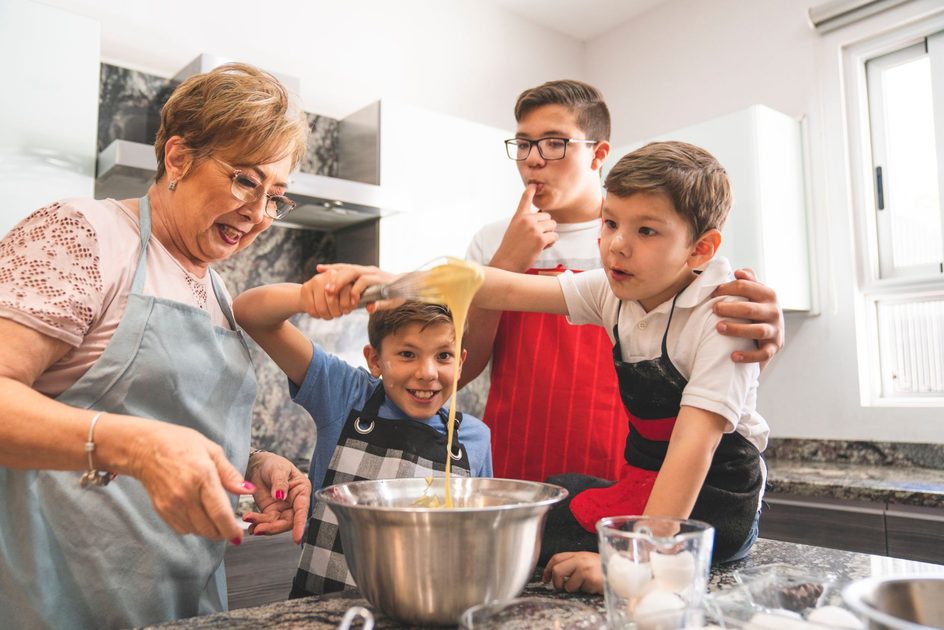
Share these recipes and stories with younger generations. Cooking together can be a powerful way to pass on traditions and create new memories. This ensures that the culinary heritage continues to evolve and thrive within the family, much like learning to protect your privacy online is a skill passed down in the digital age.
Consider creating a family cookbook, either digitally or in print. This project can be a collaborative effort, with each family member contributing their favorite recipes and the stories behind them. It becomes a living document, celebrating your shared history.
The unexpected find of Kreis Beall’s recipes in a 34-year-old magazine underscores the rich structure of personal and collective history woven into our daily lives. It serves as a poignant reminder that sometimes, the most profound discoveries are found in the most unexpected places, often hidden in plain sight within the archives of our past. For more insights into the history of Southern Living and its impact on regional cuisine, you can explore their extensive archives and features on their official website, which often highlights the evolution of Southern cooking.
Frequently Asked Questions
What was the editor’s initial task when sifting through the Southern Living archives?
The editor’s primary task was to comb through decades of Southern Living magazine issues, specifically from 1981 and 1992, to extract recipes for a new editorial project. This involved reviewing hundreds of recipes, many of which were contributed by readers and home cooks.
Which of Kreis Beall’s recipes were familiar to her granddaughter?
Several of Kreis Beall’s recipes were familiar family dishes, including Crispy Cornbread, Fresh Turnip Greens, Wild Rice and Oysters, Sweet Potato Hash, and Roasted Vidalia Onions and Carrots. These dishes had been part of the family’s culinary traditions, though their preparation had evolved over the years.
How did the grandmother, Kreis Beall, react to the discovery?
Upon hearing about the discovery, Kreis Beall had a clear and accurate memory of the 1991 photoshoot that took place at her Tennessee farmhouse for the December 1992 Southern Living feature. Her vivid recollection confirmed the personal history behind the rediscovered recipes.
A Culinary Bridge Across Generations
The story of finding Kreis Beall’s recipes in a decades-old magazine is more than just a personal anecdote; it is a powerful proof to the enduring nature of family bonds and cultural heritage. It highlights how food acts as a profound connector, bridging generations and preserving stories that might otherwise fade into obscurity.
This discovery encourages us all to look closer at our own family histories, to ask questions, and to cherish the tangible links to our past. The unexpected joy of unearthing such a personal treasure reminds us that sometimes, the most valuable insights into our identity are found not in grand pronouncements, but in the humble pages of a well-loved magazine or a handwritten recipe card.

Trust Post Desk
A journalist and editor at TrustPost.org covering world and national news, technology updates and human-interest stories. They check every fact, interview sources in person or online, and aim to deliver clear, accurate reporting. Their work ranges from breaking news to in-depth features and daily newsletters. Outside the newsroom, they follow emerging trends and engage with readers on social media.