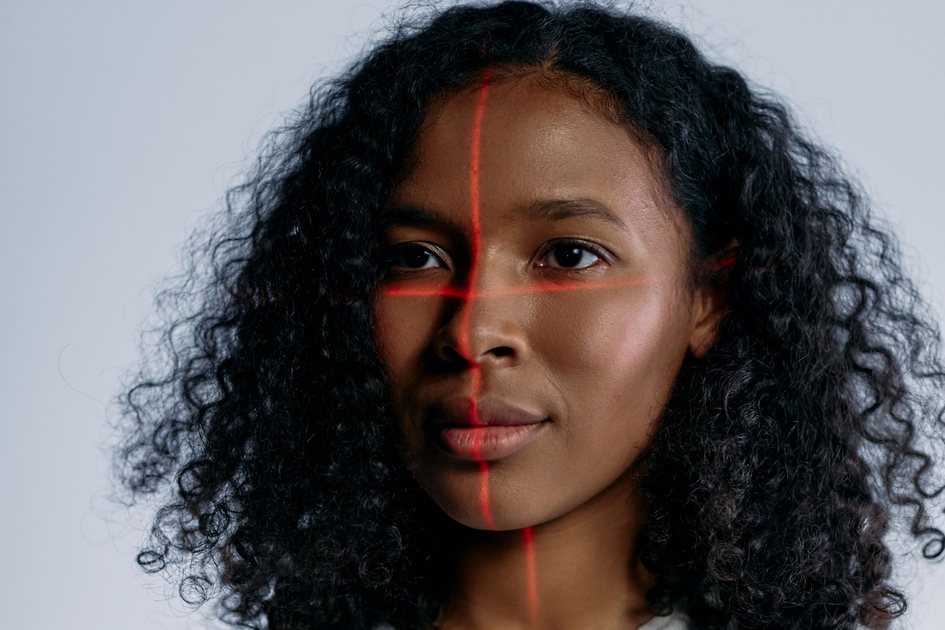
A man has filed a federal lawsuit against law enforcement agencies alleging that an AI-powered facial recognition system incorrectly identified him as a suspect in a crime he did not commit, leading to his arrest, detention, and the lasting damage of a wrongful criminal record. The case has reignited debate about the use of automated facial recognition technology in policing and the lack of legal safeguards protecting innocent people from algorithmic errors.
The plaintiff, whose identity has been reported in connection with the lawsuit, says he was arrested based solely on a facial recognition match generated by automated software, without any corroborating human investigation to verify the identification before police acted on it. He spent time in custody before the mistake was identified, and he is now seeking damages and a court order restricting how law enforcement uses facial recognition as the primary basis for arrests.
How AI Facial Recognition Errors Happen
Facial recognition technology works by comparing a face in a photo or video frame against a database of known individuals. The system returns a list of potential matches ranked by confidence score – it does not definitively identify a person, it suggests possibilities. The problem occurs when law enforcement officers treat a high-confidence match as definitive proof of identity rather than as a lead requiring further investigation.
Research published by MIT and the National Institute of Standards and Technology (NIST) has documented that commercial facial recognition systems perform significantly worse on people with darker skin tones, women, and elderly individuals compared to white men – the demographic that typically dominated the training datasets used to build these systems. This means the burden of algorithmic error falls disproportionately on communities that are already overpoliced.
- NIST studies have found error rates for facial recognition varying by orders of magnitude across demographic groups.
- Multiple wrongful arrest cases involving facial recognition have been documented in the US, concentrated in jurisdictions with minimal oversight of AI policing tools.
- No federal law currently governs how law enforcement can use facial recognition, leaving policy entirely to individual states and municipalities.
- Cities including San Francisco, Boston, and Portland have banned or restricted government use of facial recognition, while others have expanded its use with minimal oversight.
The Legal Arguments in This Case
The lawsuit argues that relying on a facial recognition match as the sole basis for an arrest violates the Fourth Amendment’s protection against unreasonable searches and seizures, since an algorithm’s probabilistic output does not constitute the ‘probable cause’ required for a lawful arrest. It also raises due process claims based on the plaintiff’s inability to meaningfully challenge or understand the algorithmic process that led to his detention.
Civil liberties organizations including the ACLU have filed amicus briefs in similar cases and are watching this litigation closely, as a favorable ruling could establish important precedent restricting how AI evidence is used in the criminal justice system nationwide.
What Reform Would Look Like
Advocates are pushing for legislation that would require facial recognition matches to be corroborated by independent human evidence before serving as the basis for any arrest. They also want mandatory disclosure to defendants when facial recognition played any role in their case, independent auditing of the AI systems used by law enforcement, and civil liability for agencies that arrest people based on unverified algorithmic output.
Frequently Asked Questions
Is facial recognition technology banned anywhere?
Several US cities including San Francisco, Oakland, and Boston have banned or significantly restricted government use of facial recognition. The European Union has proposed strict limitations on facial recognition in public spaces under its AI Act.
What should I do if I believe I was wrongly identified by facial recognition?
Contact a civil liberties attorney immediately and file a records request to determine what AI tools were used in your case. Organizations like the ACLU offer resources and referrals for people facing wrongful actions tied to automated systems.

Trust Post Desk
A journalist and editor at TrustPost.org covering world and national news, technology updates and human-interest stories. They check every fact, interview sources in person or online, and aim to deliver clear, accurate reporting. Their work ranges from breaking news to in-depth features and daily newsletters. Outside the newsroom, they follow emerging trends and engage with readers on social media.