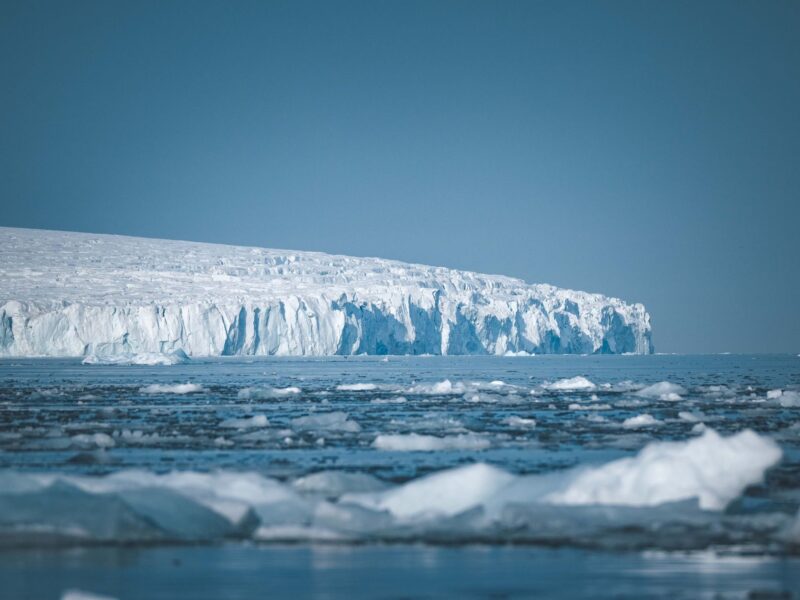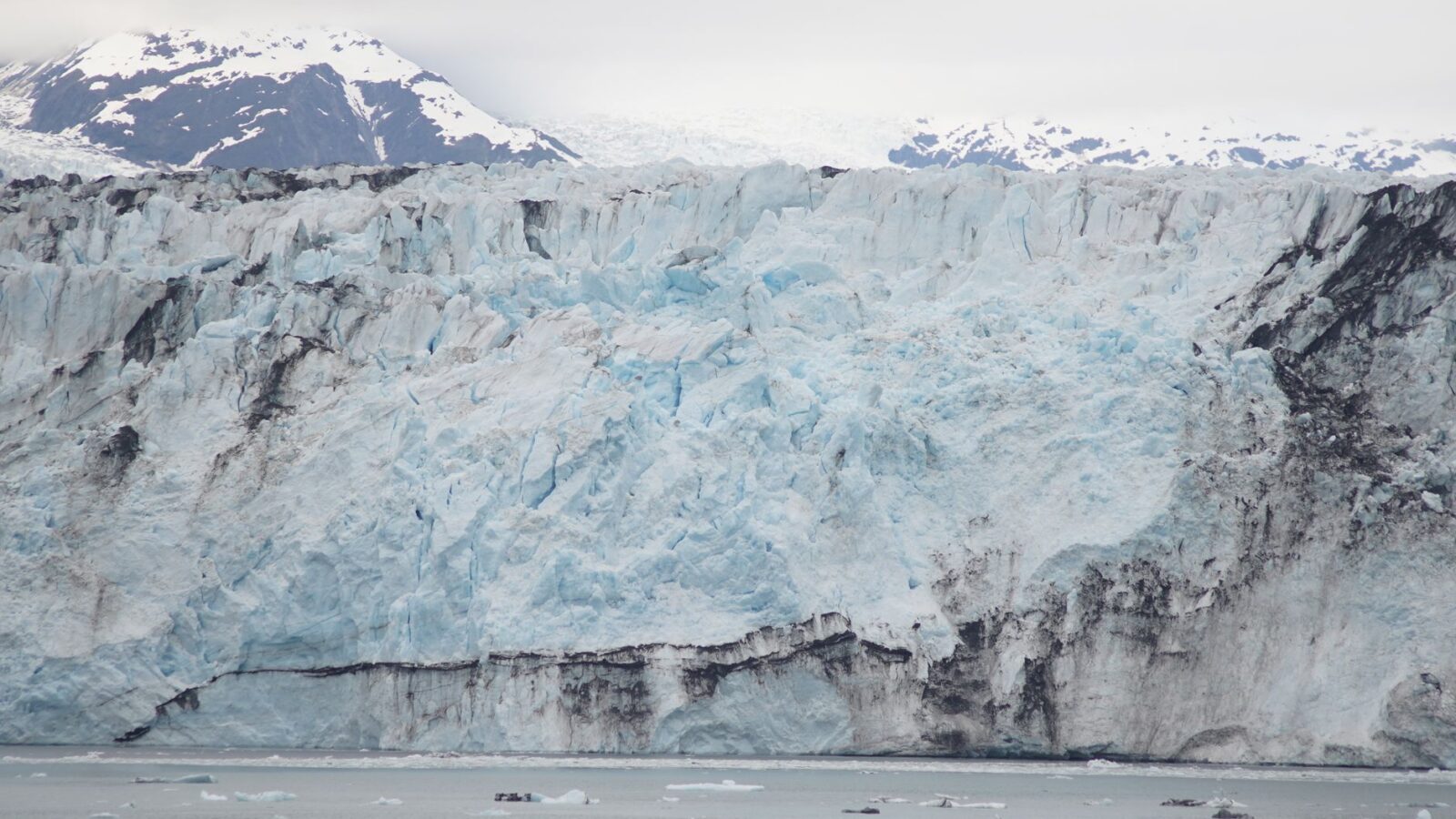
Alaska glaciers are melting three extra weeks for every one degree Celsius of summer warming, new radar data shows.
The finding comes from satellite radar monitoring of more than 3,000 Alaska glaciers tracked over eight years.
What the Alaska Glacier Melt Radar Study Found
Researchers from Carnegie Mellon University and the University of Alaska Fairbanks led the glacier melt study.
Using synthetic aperture radar, they tracked changes across virtually all Alaska glaciers larger than half a square mile.
The data covers mid-2016 through 2024, giving scientists eight years of detailed melt season progression records.
Each 1 degree Celsius rise in average summer temperature was found to extend the melt season by about three weeks.
Full study details are published at Nature study on Alaska glacier radar monitoring in the Nature journal npj Climate and Atmospheric Science.
How Radar Satellites Monitor Alaska Glaciers From Space
Synthetic aperture radar, or SAR, transmits microwave pulses toward Earth and combines returning signals into images.
Unlike optical cameras, SAR works through cloud cover and darkness, making it ideal for Alaska’s cloudy climate.
The European Space Agency’s Sentinel-1 satellite revisits the same location every 12 days and covers all Alaska glaciers.
Radar data reveals snowlines, the boundary between snow-covered and bare ice, which indicate how far melt has progressed.
Automated analysis allows scientists to track snowline changes at all 3,000-plus glaciers without manual surveys.
This is the first study to monitor nearly every Alaska glacier automatically at this scale, the researchers noted.
How Climate Warming Heat Waves Strip Snow From Alaska Glaciers
The study also found that intense heat waves strip away up to 28 percent more protective snow cover than normal.
When snow melts away earlier, darker bare ice is exposed and absorbs more heat, accelerating further melting.
This feedback loop means a single heat wave can trigger weeks of additional ice loss on Alaska glaciers.
Alaska experienced several record-breaking heat events between 2016 and 2024, which showed up clearly in the radar data.
The findings were first reported at Phys.org report on Alaska glacier melt study with accessible summaries of the key glacier melt results.
Why Alaska Glacier Loss Matters Beyond Alaska
Alaska glaciers contain enough ice that their complete loss would raise global sea levels by roughly 1.5 meters.
Glacial meltwater also feeds rivers that Indigenous communities and wildlife depend on for freshwater year-round.
As glaciers shrink, rivers fed by glacial runoff will eventually see reduced flows during dry summer months.
Scientists use this glacier data to improve global sea level rise projections and climate adaptation planning.
These meltwater changes have downstream consequences for salmon habitats, hydropower, and rural drinking water.
AI research tools like those covered in AI tools for analyzing climate research data can help scientists process large volumes of satellite data faster.
Complex climate models also benefit from AI reasoning capabilities like those explained in AI reasoning tools for complex science topics.
Related Articles
Claude Web Search Feature: How Real-Time AI Research Works

Trust Post Desk
A journalist and editor at TrustPost.org covering world and national news, technology updates and human-interest stories. They check every fact, interview sources in person or online, and aim to deliver clear, accurate reporting. Their work ranges from breaking news to in-depth features and daily newsletters. Outside the newsroom, they follow emerging trends and engage with readers on social media.