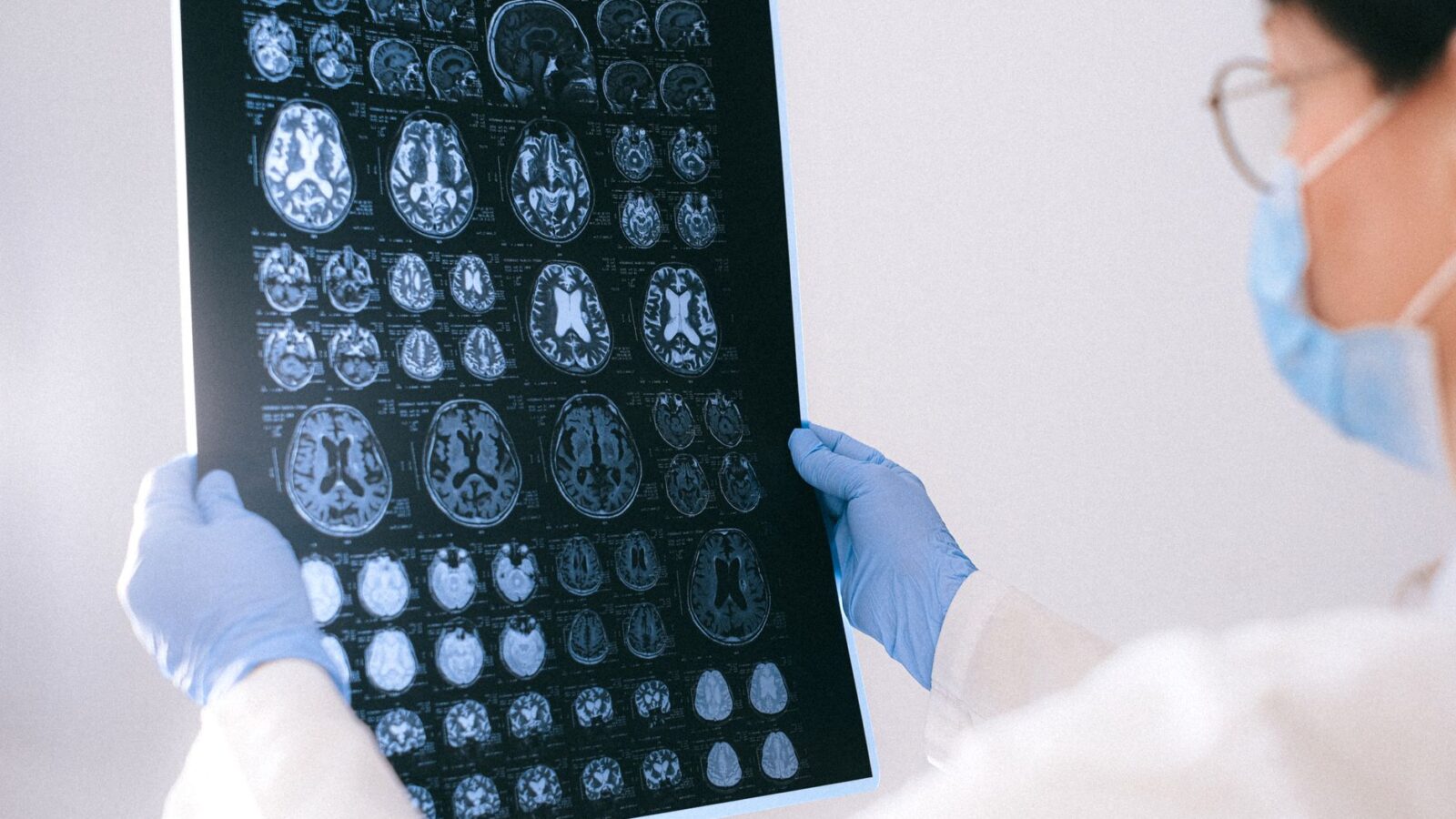
A new Alzheimer study found that a protein called tubulin may prevent the toxic brain clumps that drive the disease.
Baylor College of Medicine scientists reported the tubulin finding in Nature Communications on June 21, 2026.
The discovery points to a strategy that targets the brain disease before harmful clumps even form.
The Alzheimer Tubulin Study Explained
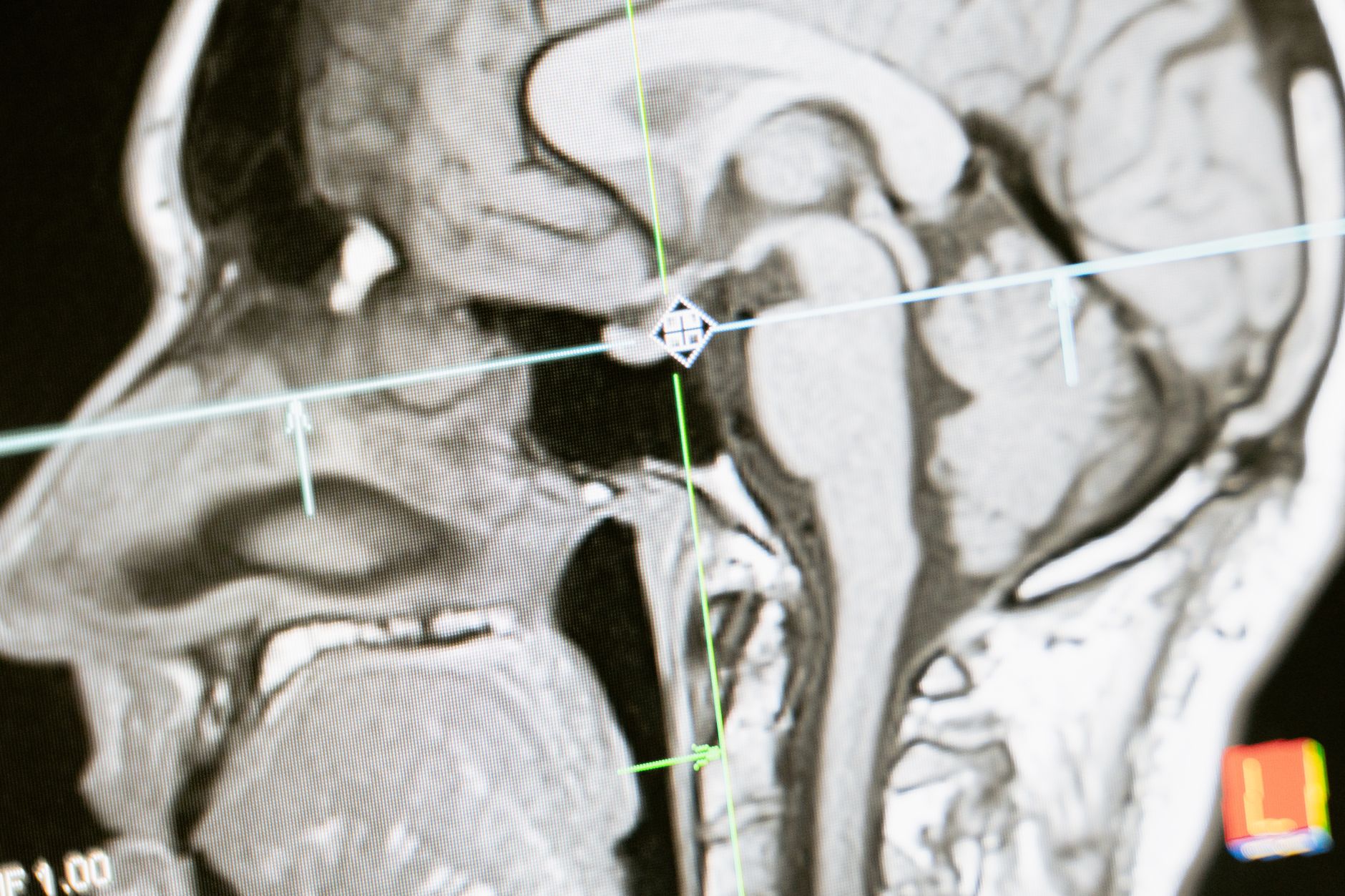
The study found tubulin can stop Tau and alpha-synuclein from forming toxic aggregates.
Those aggregates drive neurodegeneration in both Alzheimer and Parkinson disease.
Tubulin is the building block of microtubules, the cell’s internal transport tracks.
The research was published in Nature Communications on June 21, 2026.
As ScienceDaily reported, the finding could reshape treatment.
Targeting Brain Disease Before It Starts
The strategy targets a stage that current therapies do not reach.
It focuses on the moment before toxic protein aggregates form at all.
Tubulin can redirect these proteins away from forming harmful clumps.
Instead, it guides them toward healthy, productive work in the cell.
Who Led the Research

The research was led by Dr. Allan Chris M. Ferreon, an associate professor at Baylor.
The first author was Dr. Lathan Lucas, a postdoctoral associate.
The team reframed tubulin from a passive casualty to an active protector.
Their work opens a fresh avenue against devastating brain diseases.
Why the Discovery Matters

Alzheimer and Parkinson affect millions of people around the world.
Most current drugs target later stages of these diseases.
A pre-disease intervention could change how doctors approach prevention.
Much more research is needed before any treatment reaches patients.
For related health news, see our diabetes drug coverage.
As SciTech Daily reported, the protein could be a key defense.
Microtubules transport nutrients, signals, and waste inside neurons.
Tau and alpha-synuclein are central players in neurodegeneration.
The findings were welcomed by researchers in the field.
Boosting tubulin could become a new therapeutic target.
The study redefines tubulin’s role in brain health.
Scientists cautioned that human treatments remain years away.
Neurodegenerative diseases are a growing global health burden.
Early intervention is a major goal in Alzheimer research.
The work was conducted at Baylor College of Medicine.
Further studies will test the approach in animal models.
The discovery adds to rapid progress in neuroscience.
Researchers hope to translate the findings into therapies.
Preventing protein clumps could slow or stop disease.
The study offers fresh hope in a challenging field.
Funding and trials will shape the next steps.
The brain relies on microtubules for healthy function.
Tau tangles are a hallmark of Alzheimer disease.
Alpha-synuclein clumps are linked to Parkinson disease.
The research could inspire entirely new drug strategies.
Early-stage findings still require rigorous validation.
Experts welcomed a fresh angle on neurodegeneration.
Protecting neurons early could change patient outcomes.
Researchers stressed that human treatments remain years away.
The findings open a fresh avenue against brain disease.
Further studies will test the approach in animal models.
The work adds to rapid progress in neuroscience.
Related Articles
Orforglipron: Oral GLP-1 Pill Cuts Diabetes and Boosts Weight Loss
Rare Longevity Gene Mutation May Help Some Families Live Longer

Trust Post Desk
A journalist and editor at TrustPost.org covering world and national news, technology updates and human-interest stories. They check every fact, interview sources in person or online, and aim to deliver clear, accurate reporting. Their work ranges from breaking news to in-depth features and daily newsletters. Outside the newsroom, they follow emerging trends and engage with readers on social media.