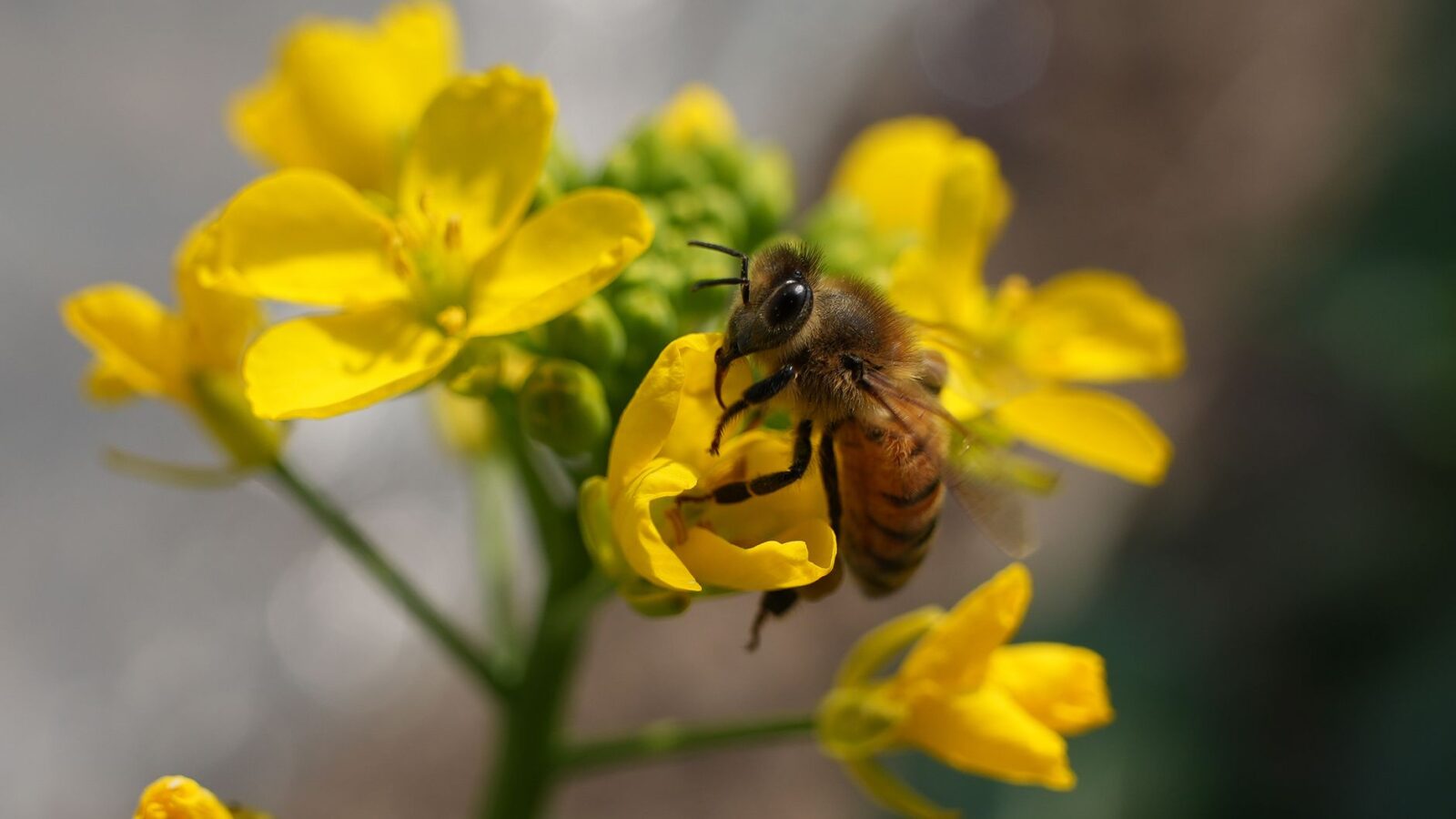
Australian native bees that nest inside plant stems face the greatest climate change risk of any bee group studied.
Scientists warn these stem-nesting bees have far fewer ways to escape rising temperatures than ground-nesting bee species.
Why Australian Native Bees Face the Highest Climate Change Risk
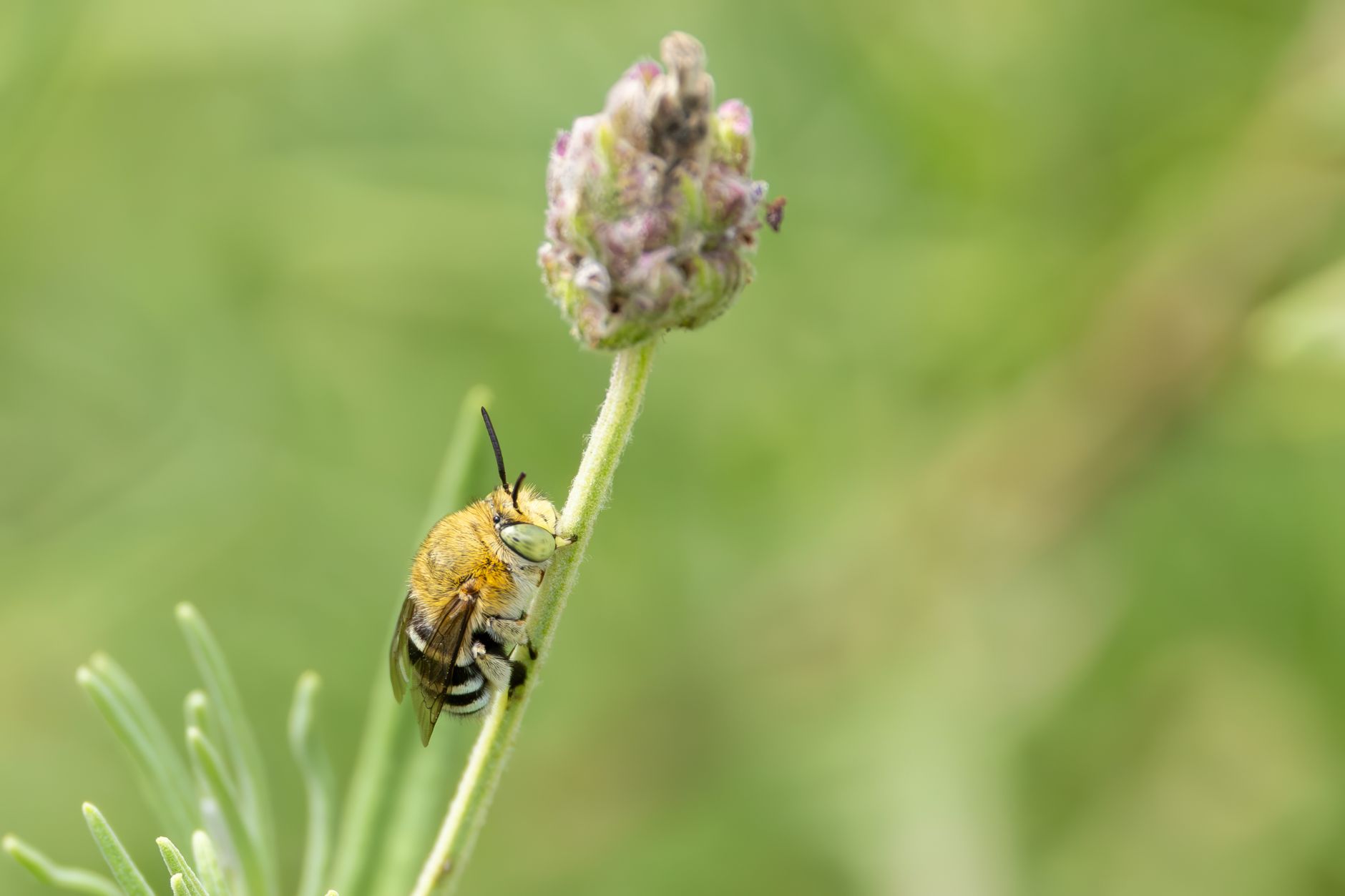
Australia has over 2,000 native bee species, making it one of the most bee-diverse countries on the planet.
Stem-nesting bees build their nests inside hollow plant stems and woody debris above the soil surface.
Unlike underground bees that can burrow deeper into cooler soil, stem-nesters have no escape from surface heat.
Rising temperatures in Australia are projected to increase by 1.5 to 3 degrees Celsius by 2050 under current emissions.
A study from Macquarie University tested heat tolerance across 95 native bee species in eastern mainland Australia.
Phys.org Australian native bee climate change research covered the Australian native bee climate research with expert commentary from the study’s lead authors.
How Stem-Nesting Bees Differ From Underground Australian Native Bees
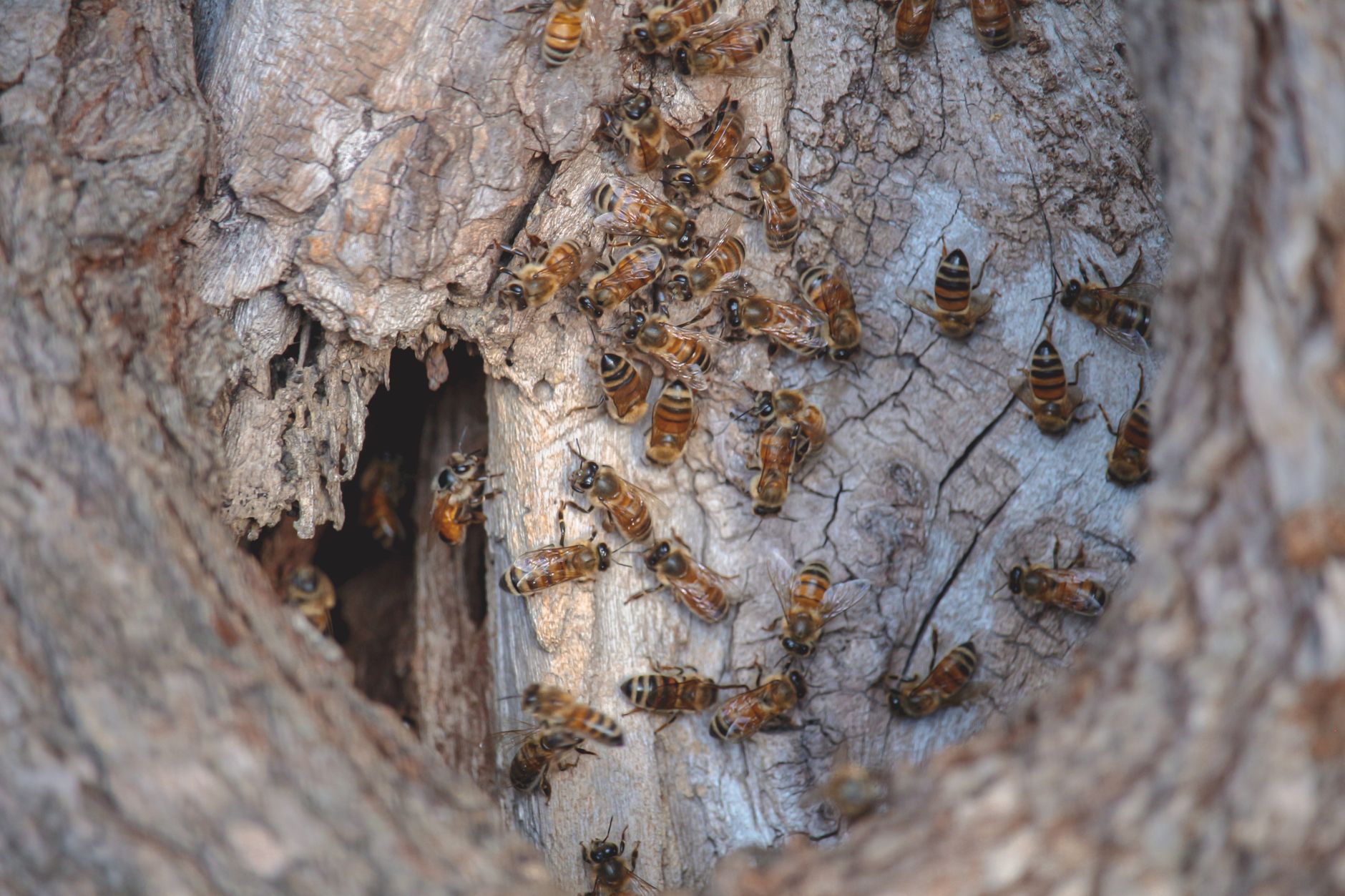
Underground native bees dig tunnels in soil and sand, giving their larvae some buffer from temperature extremes.
When surface temperatures spike, underground bees can lay eggs in deeper chambers where the soil stays cooler.
Stem-nesting bees lay eggs inside exposed hollow stems, giving larvae no insulation from the surrounding air temperature.
Thin plant stems offer almost no thermal buffering, meaning stem-nesters already live near their upper heat limits.
Researchers found that the species best able to tolerate heat may also be the first threatened by warming.
The Conversation guide to Australian native bee climate vulnerability explains in full detail why native bee nesting types determine their vulnerability to climate warming.
What Climate Change Means for Australian Native Bee Pollination
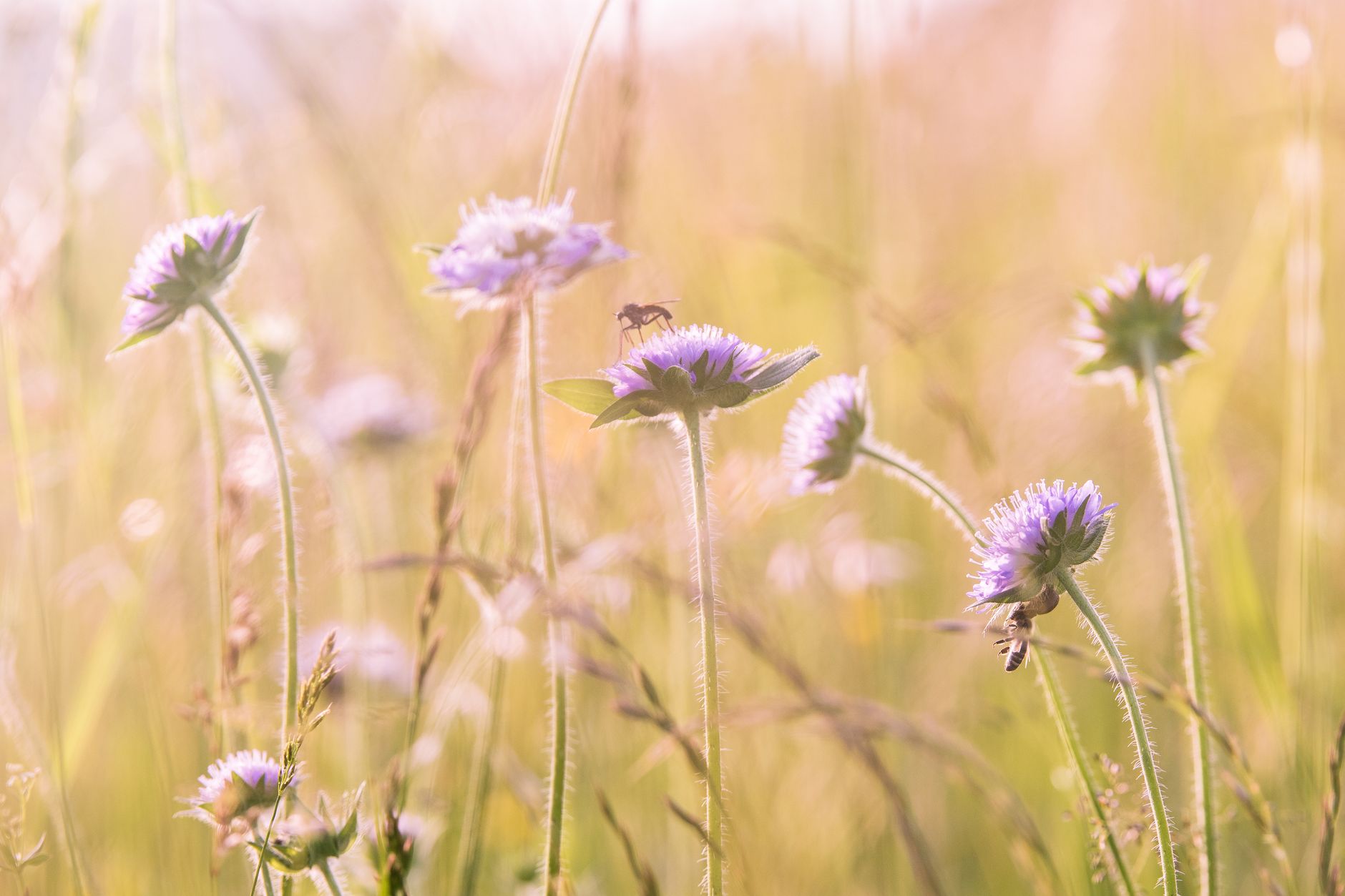
Native bees are essential pollinators for Australian wildflowers, native trees, and agricultural crops across the continent.
Losing stem-nesting bee populations would reduce pollination for native plants that depend specifically on these species.
Some Australian plants have co-evolved with specific native bee species and cannot be pollinated by European honeybees.
A decline in native bee diversity could trigger cascading ecological effects across Australian bushland and farmland ecosystems.
Tropical bees near the equator face the greatest immediate risk because they already live closest to their heat limits.
What Scientists Recommend to Protect Australian Native Bees From Climate Change
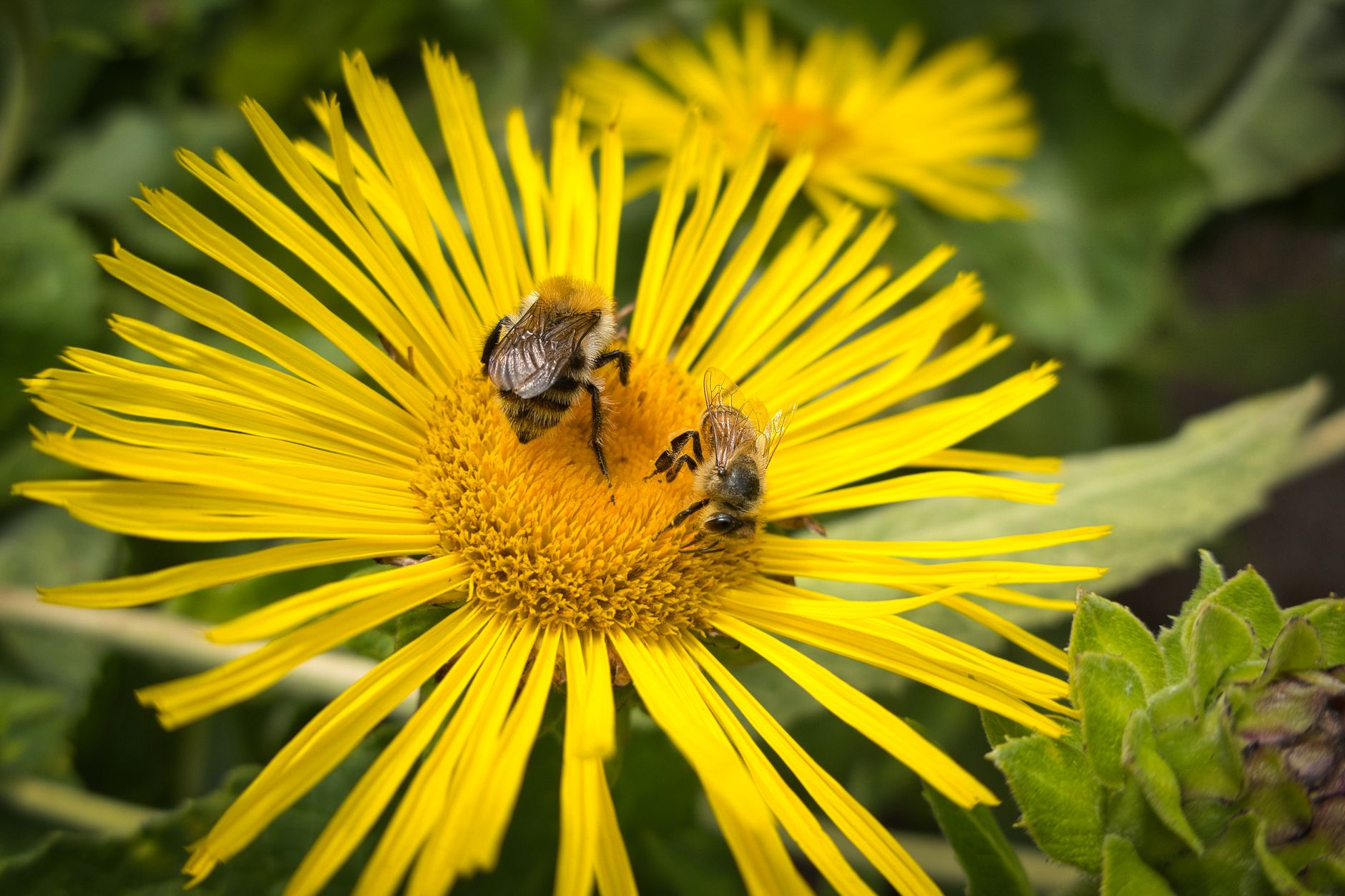
Researchers recommend creating stem-nesting bee habitats using bundled hollow stems and wooden bee hotels in shaded areas.
Planting native flowering species that bloom across multiple seasons ensures year-round food sources for native bees.
Reducing pesticide use near native vegetation is critical for protecting already heat-stressed bee populations.
Scientists call for Australian native bees to be included in national climate adaptation and biodiversity action plans.
Bee population surveys need to expand beyond European honeybees to include all native species across every Australian state.
Urban gardens can support native bees by offering diverse native plants and bee nesting materials year round.
Research tools like those in AI tools for tracking biodiversity research can help track global pollinator decline data and emerging bee studies.
For analysis of complex ecology and climate data, see our post on AI reasoning for ecology and climate data analysis.
Related Articles
Claude Web Search: AI for Ecology and Science News

Trust Post Desk
A journalist and editor at TrustPost.org covering world and national news, technology updates and human-interest stories. They check every fact, interview sources in person or online, and aim to deliver clear, accurate reporting. Their work ranges from breaking news to in-depth features and daily newsletters. Outside the newsroom, they follow emerging trends and engage with readers on social media.