
A dangerous Echinococcus tapeworm that causes a cancer-like liver disease in humans has been found in Pacific Northwest coyotes.
University of Washington researchers tested 100 coyotes near Puget Sound and found 37 infected with Echinococcus multilocularis.
What Is the Echinococcus Tapeworm Spreading Across the Pacific Northwest

Echinococcus multilocularis is a small tapeworm that primarily infects foxes, coyotes, and rodents as natural hosts.
When humans accidentally ingest eggs shed in infected animal feces, the parasite grows inside the liver.
In humans, it causes alveolar echinococcosis, a disease that mimics liver cancer in its behavior and spread.
The parasite forms slow-growing cysts in the liver that invade surrounding tissue similar to how cancer metastasizes.
Genetic testing showed the Washington outbreak is linked to a more infectious European strain now dominant in North America.
University of Washington Echinococcus tapeworm research announcement published the full University of Washington tapeworm findings and recommended precautions for the public.
Why the Pacific Northwest Echinococcus Discovery Is Alarming for Public Health
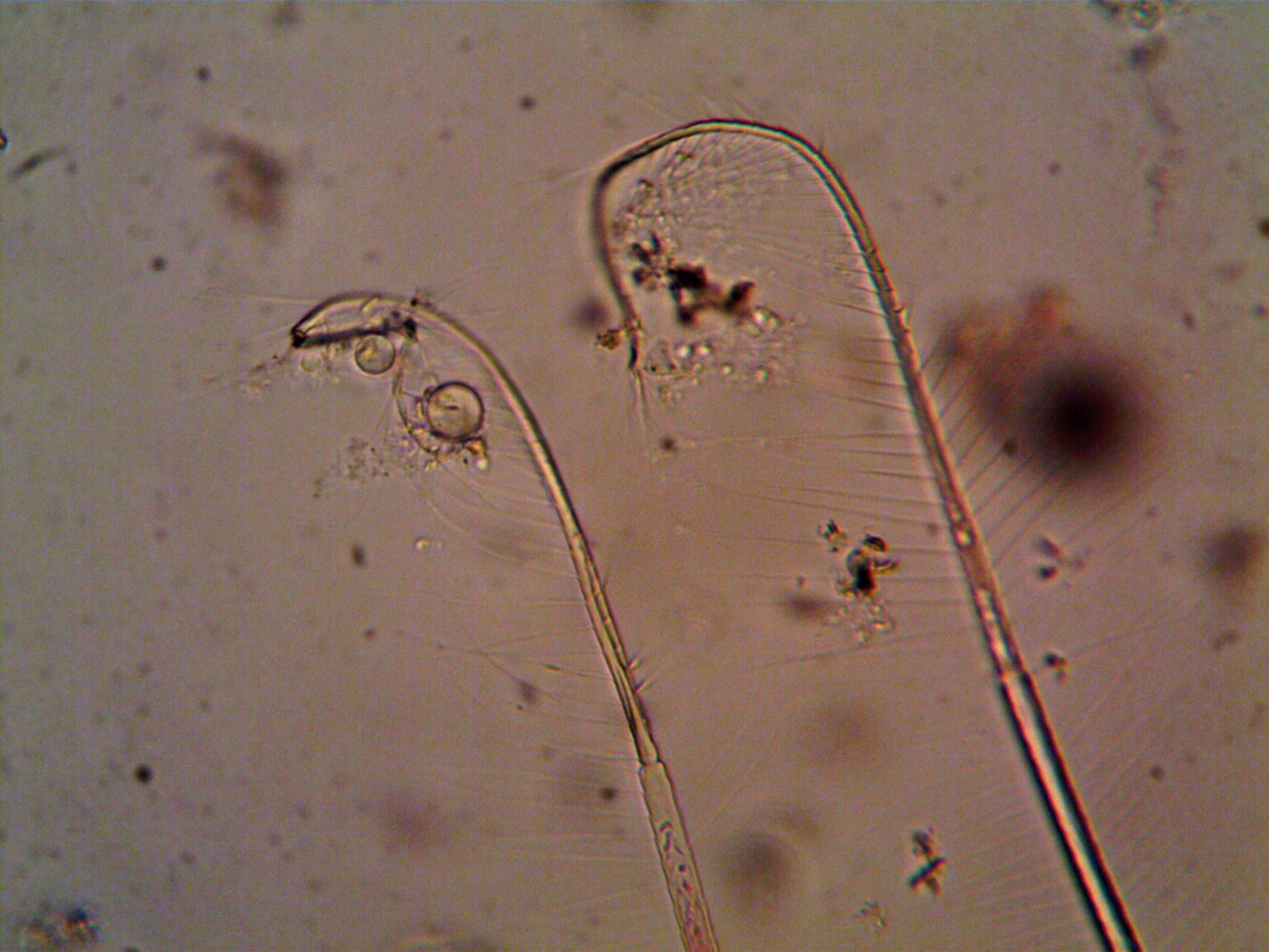
Echinococcus multilocularis was not previously endemic to the Pacific Northwest, making this detection unexpected and significant.
Finding the tapeworm in 37 of 100 Puget Sound coyotes suggests the parasite is now well established in the region.
Coyotes roam suburban neighborhoods, city parks, and farmland, creating real exposure risks for people and pets nearby.
Dogs can become infected by eating rodents or coyote feces, then shed Echinococcus eggs that humans can ingest.
The full peer-reviewed study was published in PLOS Neglected Tropical Diseases Echinococcus Washington study with complete data on infection rates and parasite genetics.
How Humans Can Prevent Echinococcus Tapeworm Infection in the Northwest

Human infection most commonly occurs by ingesting Echinococcus eggs from contaminated soil, water, unwashed produce, or hands.
Washing hands thoroughly after outdoor activities in areas frequented by coyotes or foxes is the first defense.
Pet owners should prevent dogs from eating rodents or sniffing coyote feces and consult a vet for testing.
Alveolar echinococcosis in humans can be treated with anti-parasitic drugs and surgery if diagnosed early enough.
Without treatment, the disease has a very high mortality rate within ten to fifteen years of initial infection.
Veterinarians in Washington state are now recommending routine Echinococcus screening for dogs that spend time outdoors.
What Echinococcus Tapeworm Means for Pacific Northwest Disease Surveillance

Public health officials in Washington state are increasing awareness of alveolar echinococcosis risks across the region.
Hunters and trappers who handle coyote and fox carcasses should wear gloves and wash hands carefully afterward.
Wildlife managers are expanding surveillance efforts to map how far Echinococcus has spread beyond Puget Sound.
The finding supports evidence that climate change is shifting parasite and disease vector ranges northward and westward.
Research tools like those in AI tools for health and disease research can help track emerging parasite threats and surface the latest health data.
For AI privacy and safety in health research contexts, see our guide on AI data safety and health information privacy.
Related Articles
Claude Web Search: Finding Health and Science Data

Trust Post Desk
A journalist and editor at TrustPost.org covering world and national news, technology updates and human-interest stories. They check every fact, interview sources in person or online, and aim to deliver clear, accurate reporting. Their work ranges from breaking news to in-depth features and daily newsletters. Outside the newsroom, they follow emerging trends and engage with readers on social media.