Quick Summary
- Apple has launched over 50 iPhone models across 18 years, starting with the original iPhone in June 2007.
- Every annual release has brought meaningful changes — from the fingerprint scanner in 2013 to Face ID in 2017, 5G in 2020, USB-C in 2023, and on-device AI in 2024.
- Apple typically announces new iPhones in September and ships them within the same month.
- The current lineup as of 2026 is the iPhone 17 series (iPhone 17, iPhone 17 Air, iPhone 17 Pro, iPhone 17 Pro Max, iPhone 17e).
Full iPhone Release Timeline at a Glance
| iPhone Model | Release Date |
|---|---|
| iPhone (1st generation) | June 29, 2007 |
| iPhone 3G | July 11, 2008 |
| iPhone 3GS | June 19, 2009 |
| iPhone 4 | June 24, 2010 |
| iPhone 4S | October 14, 2011 |
| iPhone 5 | September 21, 2012 |
| iPhone 5s | September 20, 2013 |
| iPhone 5c | September 20, 2013 |
| iPhone 6 | September 19, 2014 |
| iPhone 6 Plus | September 19, 2014 |
| iPhone 6s | September 25, 2015 |
| iPhone 6s Plus | September 25, 2015 |
| iPhone SE (1st Gen) | March 31, 2016 |
| iPhone 7 | September 16, 2016 |
| iPhone 7 Plus | September 16, 2016 |
| iPhone 8 | September 22, 2017 |
| iPhone 8 Plus | September 22, 2017 |
| iPhone X | November 3, 2017 |
| iPhone XS | September 21, 2018 |
| iPhone XS Max | September 21, 2018 |
| iPhone XR | October 26, 2018 |
| iPhone 11 | September 20, 2019 |
| iPhone 11 Pro | September 20, 2019 |
| iPhone 11 Pro Max | September 20, 2019 |
| iPhone SE (2nd Gen) | April 24, 2020 |
| iPhone 12 | October 23, 2020 |
| iPhone 12 Mini | November 13, 2020 |
| iPhone 12 Pro | October 23, 2020 |
| iPhone 12 Pro Max | November 13, 2020 |
| iPhone 13 | September 24, 2021 |
| iPhone 13 Mini | September 24, 2021 |
| iPhone 13 Pro | September 24, 2021 |
| iPhone 13 Pro Max | September 24, 2021 |
| iPhone SE (3rd Gen) | March 18, 2022 |
| iPhone 14 | September 16, 2022 |
| iPhone 14 Plus | September 16, 2022 |
| iPhone 14 Pro | September 16, 2022 |
| iPhone 14 Pro Max | September 16, 2022 |
| iPhone 15 | September 22, 2023 |
| iPhone 15 Plus | September 22, 2023 |
| iPhone 15 Pro | September 22, 2023 |
| iPhone 15 Pro Max | September 22, 2023 |
| iPhone 16 | September 20, 2024 |
| iPhone 16 Plus | September 20, 2024 |
| iPhone 16 Pro | September 20, 2024 |
| iPhone 16 Pro Max | September 20, 2024 |
| iPhone 16e | February 28, 2025 |
| iPhone 17 | September 19, 2025 |
| iPhone 17 Air | September 19, 2025 |
| iPhone 17 Pro | September 19, 2025 |
| iPhone 17 Pro Max | September 19, 2025 |
| iPhone 17e | March 11, 2026 |
Every iPhone Model — What Made Each One Matter
iPhone (Original) — June 29, 2007
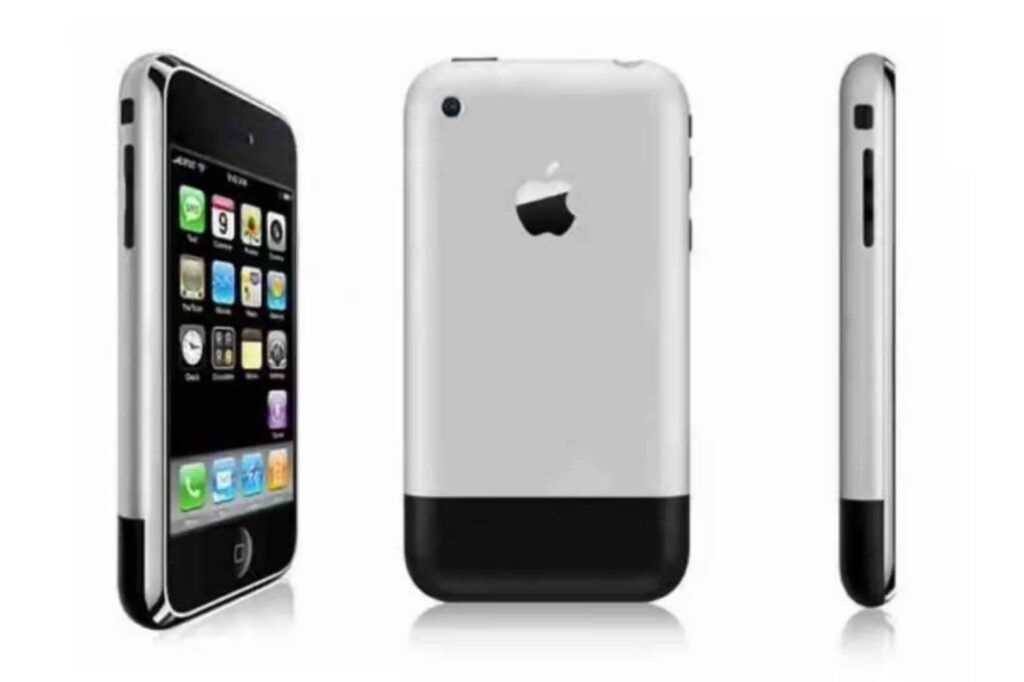
Before 2007, phones had physical keyboards, tiny screens, and styluses. Steve Jobs changed everything when he introduced the first iPhone by describing it as three products in one: a widescreen iPod, a mobile phone, and an internet device. The audience laughed when he said that — until they realized he was serious.
The original iPhone featured a 3.5-inch multi-touch display that you controlled entirely with your fingers. No stylus needed. No physical keyboard. Just glass and your hand. It was genuinely unlike anything people had used before.
What stood out:
- Capacitive multi-touch screen (revolutionary at the time)
- Visual voicemail — listen to messages in any order
- Full web browsing, not a “mobile version” of the web
- Seamless iPod integration
iPhone 3G — July 11, 2008
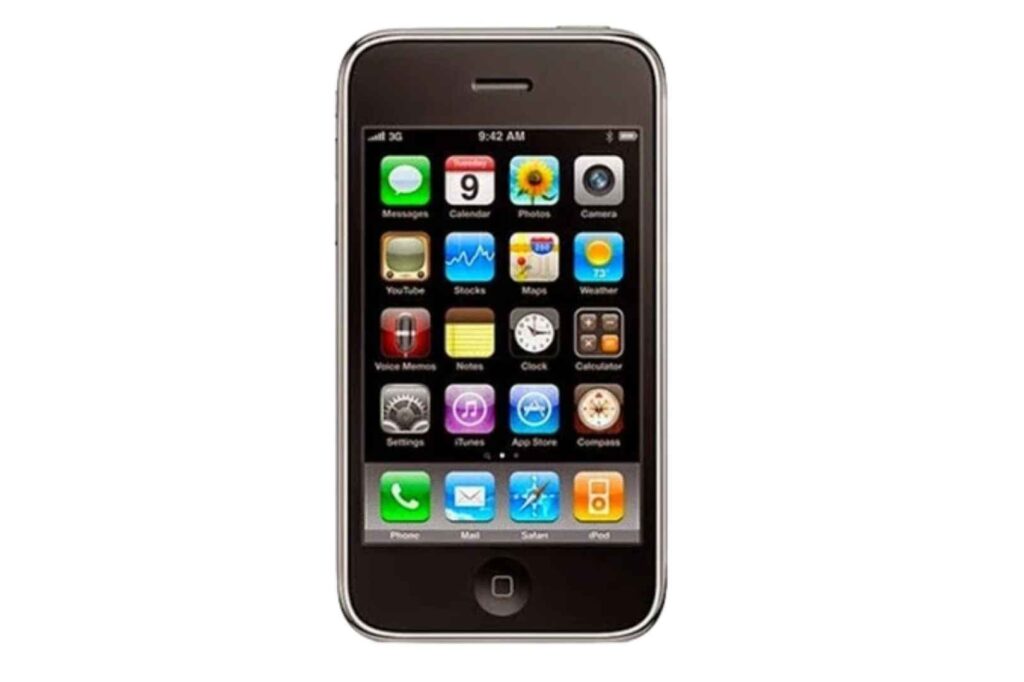
The name says it all. Apple’s second iPhone added 3G mobile data, making internet browsing dramatically faster than the Edge network on the original model. But the bigger news was the App Store, launched alongside the 3G. Suddenly, any developer in the world could build software for iPhone. Within months, the ecosystem exploded.
GPS was also added, making the Maps app genuinely useful for navigation rather than just looking up addresses.
What stood out:
- App Store launch — changed mobile software forever
- 3G connectivity for real-world browsing speeds
- Built-in GPS for turn-by-turn navigation
Fun fact: Apple skipped the name “iPhone 2” entirely. The “3G” in the name referred to the network standard, not the generation number — a naming quirk that confused many buyers.
iPhone 3GS — June 19, 2009
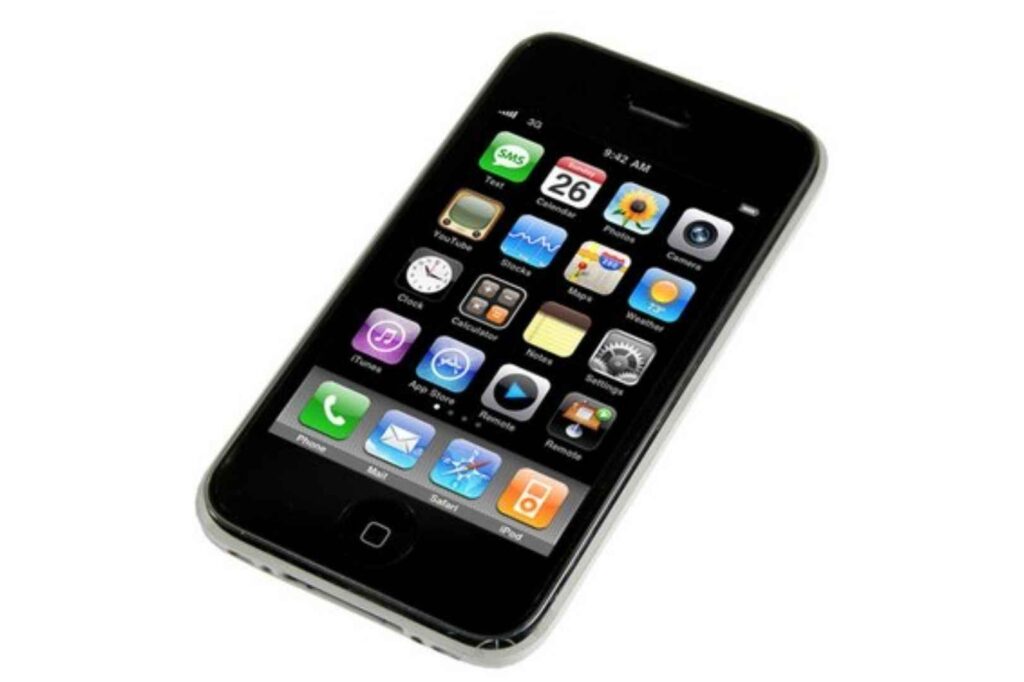
The “S” stood for speed. Apple used this suffix to signal an iteration year — same design, meaningfully better internals. The 3GS got a faster processor, more RAM, and a proper autofocus camera that could shoot video for the first time. Voice Control also debuted here, the primitive ancestor of what would eventually become Siri.
What stood out:
- 3MP autofocus camera with video recording
- Hardware-level compass
- Cut, copy, and paste finally added to iOS
- Meaningful performance improvement for gaming and apps
iPhone 4 — June 24, 2010
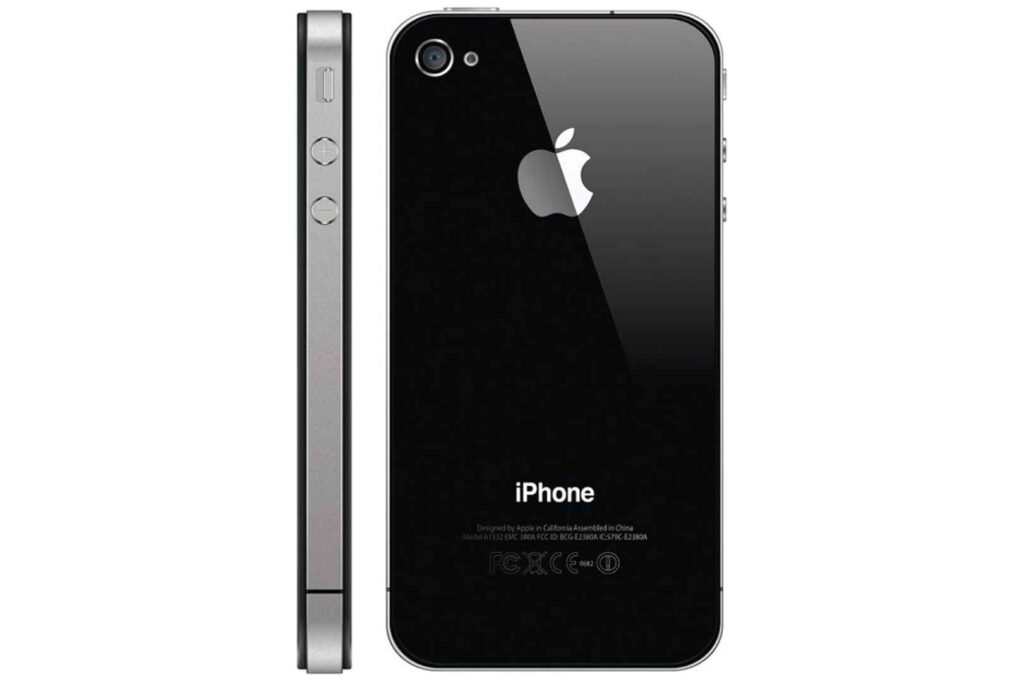
After three phones that shared essentially the same rounded plastic shell, the iPhone 4 was a genuine shock. Apple rebuilt it from scratch with a flat stainless-steel frame sandwiched between two panes of aluminosilicate glass. It looked like a precision instrument.
Inside, Apple introduced its first custom-designed chip — the A4 — along with a front-facing camera that enabled FaceTime video calling. The Retina display, with 326 pixels per inch, made text look sharper than print. It was the first phone screen that genuinely made you wonder why you’d accepted blurry pixels before.
What stood out:
- Retina display (326 ppi — still impressive today)
- FaceTime video calls over Wi-Fi
- Front-facing camera
- A4 chip — Apple’s first custom silicon
- 5MP rear camera with LED flash
iPhone 4S — October 14, 2011
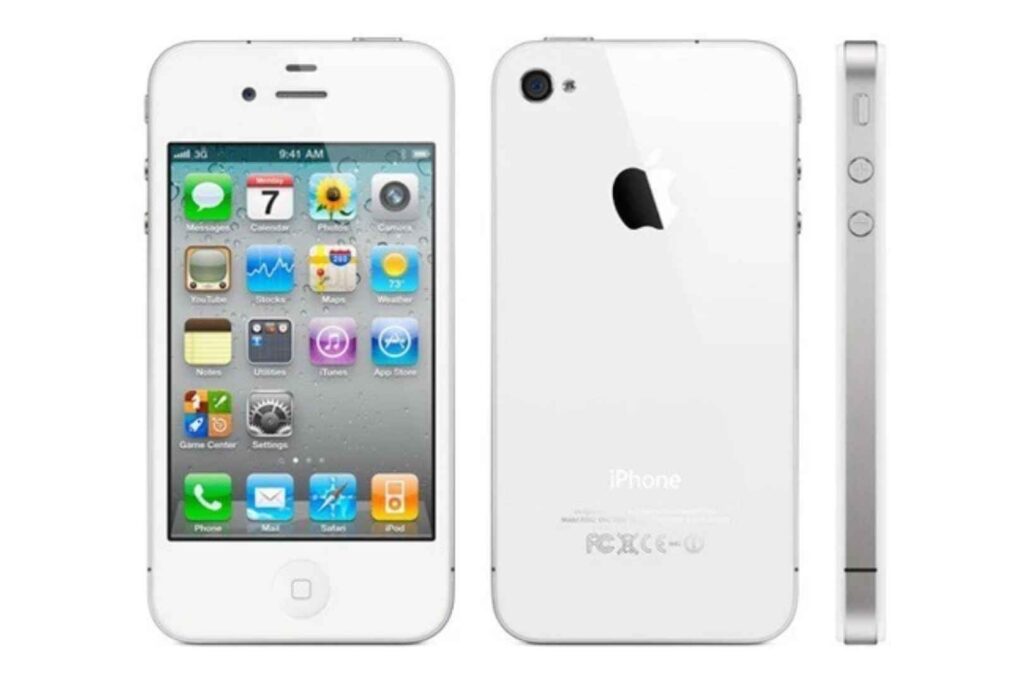
The 4S marked two milestones: it was the last iPhone Steve Jobs was involved in before his death in October 2011, and it introduced Siri — Apple’s voice assistant that would go on to influence how the entire industry thought about conversational AI.
Camera quality jumped significantly with an 8MP sensor and 1080p video. The A5 chip doubled processing power. But Siri was the real talking point (literally).
What stood out:
- Siri voice assistant
- 8MP camera with 1080p video
- iCloud integration
- Faster A5 chip
iPhone 5 — September 21, 2012
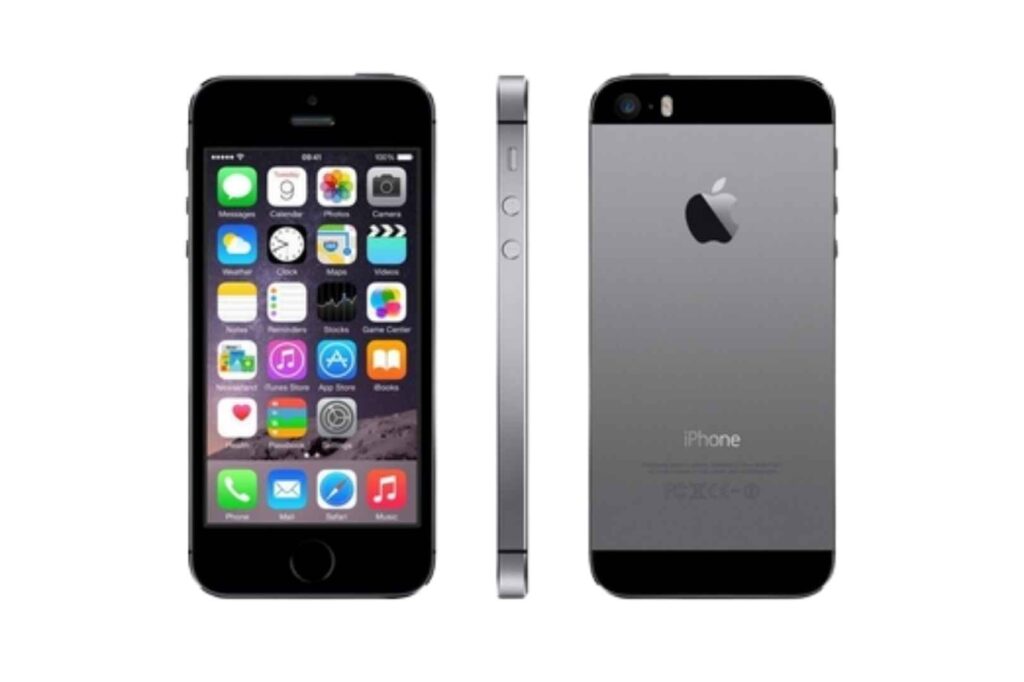
Apple stretched the screen to 4 inches for the first time, giving users more vertical room for apps and content. The iPhone 5 was also the first Apple phone to support 4G LTE, bringing cellular speeds that finally matched Wi-Fi performance in many situations.
Apple also replaced the old 30-pin connector with the new Lightning port — smaller, reversible, and built to last. Predictably, the change frustrated anyone with accessories built for the old port.
What stood out:
- 4-inch display
- 4G LTE
- Lightning connector replaces 30-pin
- World’s thinnest smartphone at launch (7.6mm)
- Sold 6 million units in its opening weekend
iPhone 5s and iPhone 5c — September 20, 2013
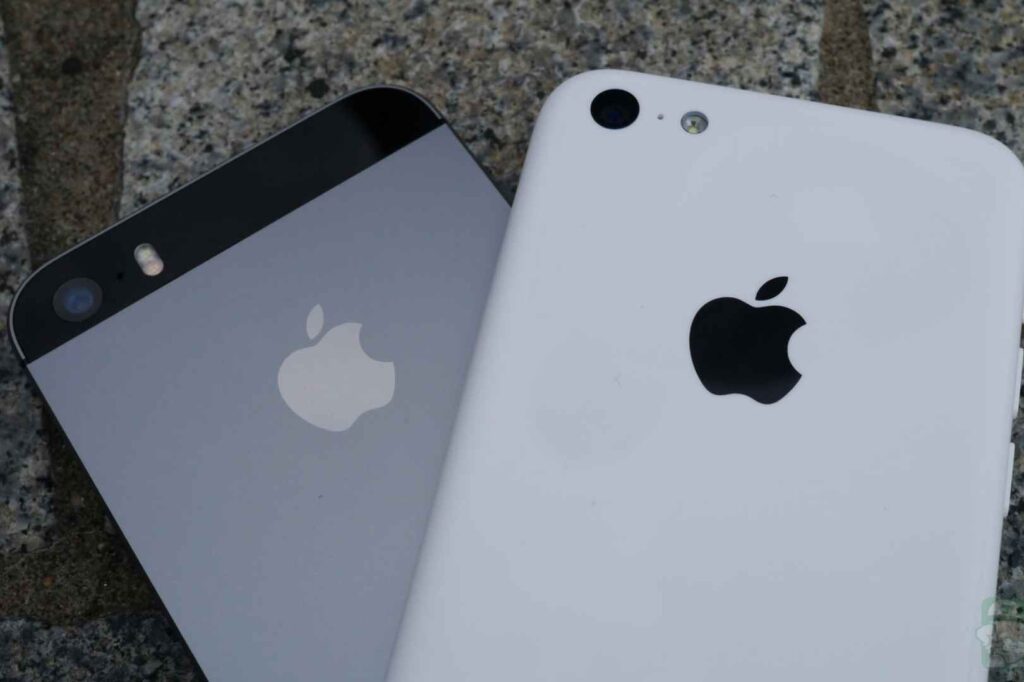
Apple launched two phones on the same day for the first time. The 5s was the flagship; the 5c was a colorful, plastic-backed attempt at a budget model.
The 5s was genuinely groundbreaking. Touch ID — a fingerprint sensor embedded in the Home button — made authentication effortless. It also ran a 64-bit chip (the A7) at a time when most people hadn’t heard the term. Motion tracking was handled by a dedicated M7 co-processor that monitored movement data without draining the main battery.
The 5c, however, was a disappointment for many. Essentially the internals of the iPhone 5 in a plastic shell with no Touch ID, it didn’t land as Apple had hoped.
What stood out (5s):
- Touch ID fingerprint scanner
- 64-bit A7 processor
- M7 motion co-processor
- True Tone flash for better skin tones in photos
iPhone 6 and iPhone 6 Plus — September 19, 2014
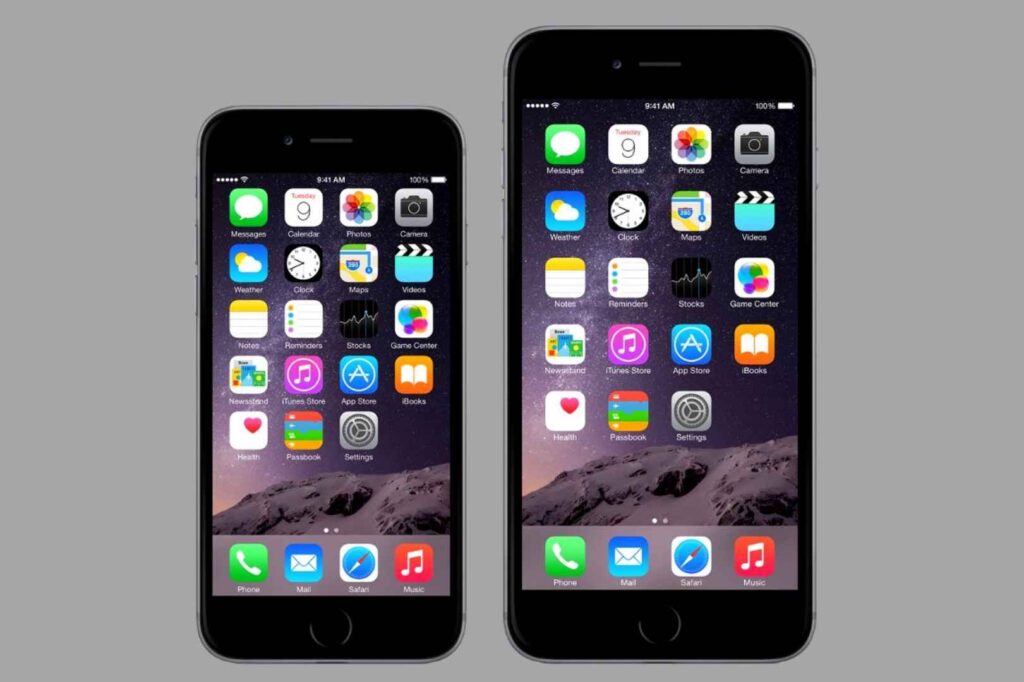
The smartphone world had gone big-screen-crazy, and Apple finally responded. The iPhone 6 came with a 4.7-inch display; the 6 Plus pushed it to 5.5 inches. Both were dramatically thinner and lighter than their predecessors.
Apple Pay debuted with this lineup, letting users pay at NFC terminals using their phone. The Health app also launched, beginning Apple’s focus on personal wellness data.
The 6 Plus added optical image stabilization for steadier photos and video — a feature reserved for the larger model.
What stood out:
- Significantly larger screen options
- Apple Pay (NFC payments)
- Health app
- Optical image stabilization (6 Plus only)
The Bendgate problem: The aluminum body of the iPhone 6 was notoriously susceptible to bending under pressure, especially in tight pockets. Apple quietly reinforced the chassis in subsequent models.
iPhone 6s and iPhone 6s Plus — September 25, 2015
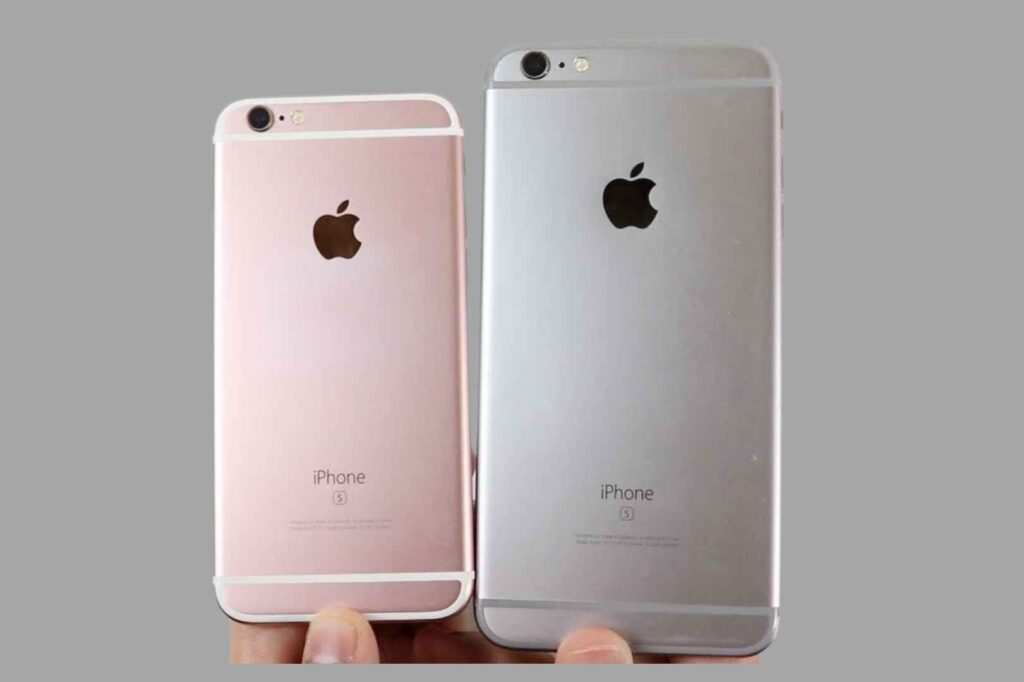
Apple addressed the structural concerns with stronger aluminum and introduced 3D Touch — a pressure-sensitive screen that could detect how hard you pressed, enabling new interaction shortcuts called Peek and Pop. Live Photos turned every snapshot into a 1.5-second moving image.
Camera quality improved to 12MP for stills and 4K for video. The A9 chip made these the fastest iPhones ever at the time of release.
What stood out:
- 3D Touch pressure-sensitive display
- Live Photos
- 12MP camera with 4K video
- Stronger casing
iPhone SE (1st Generation) — March 31, 2016
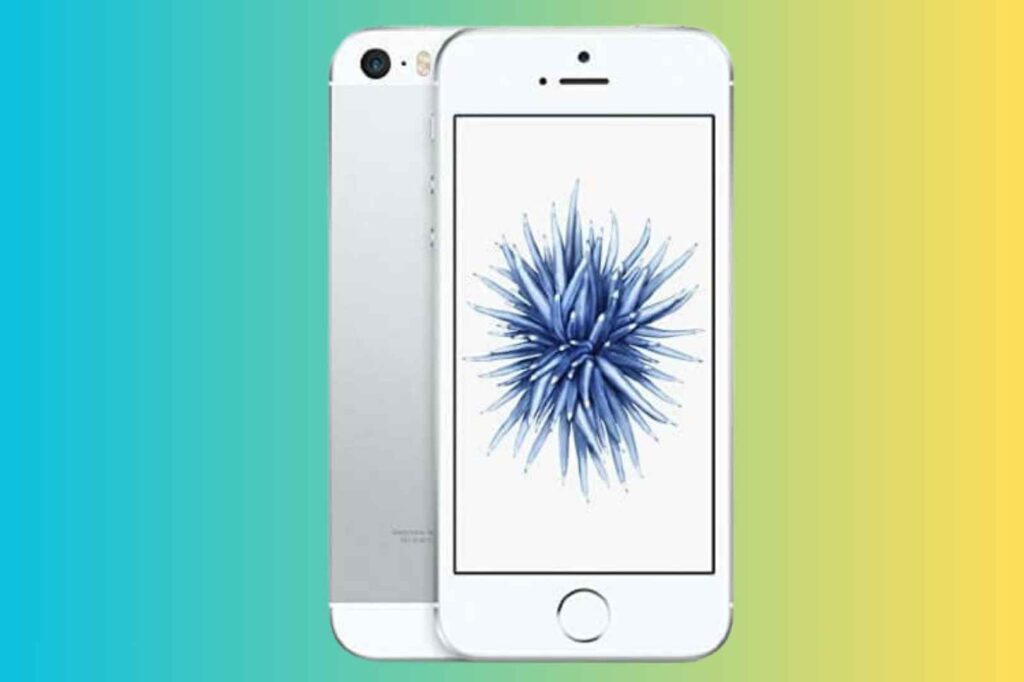
Not everyone wanted a phone that barely fit in a pocket. Apple heard that feedback and launched the original SE: the powerful internals of the 6s (A9 chip, 12MP camera, Touch ID) inside the compact 4-inch body of the iPhone 5s. It was the perfect phone for users who genuinely preferred one-handed operation.
What stood out:
- Compact 4-inch form factor
- Modern A9 chip performance at a lower price
- Live Photos and 4K video
iPhone 7 and iPhone 7 Plus — September 16, 2016
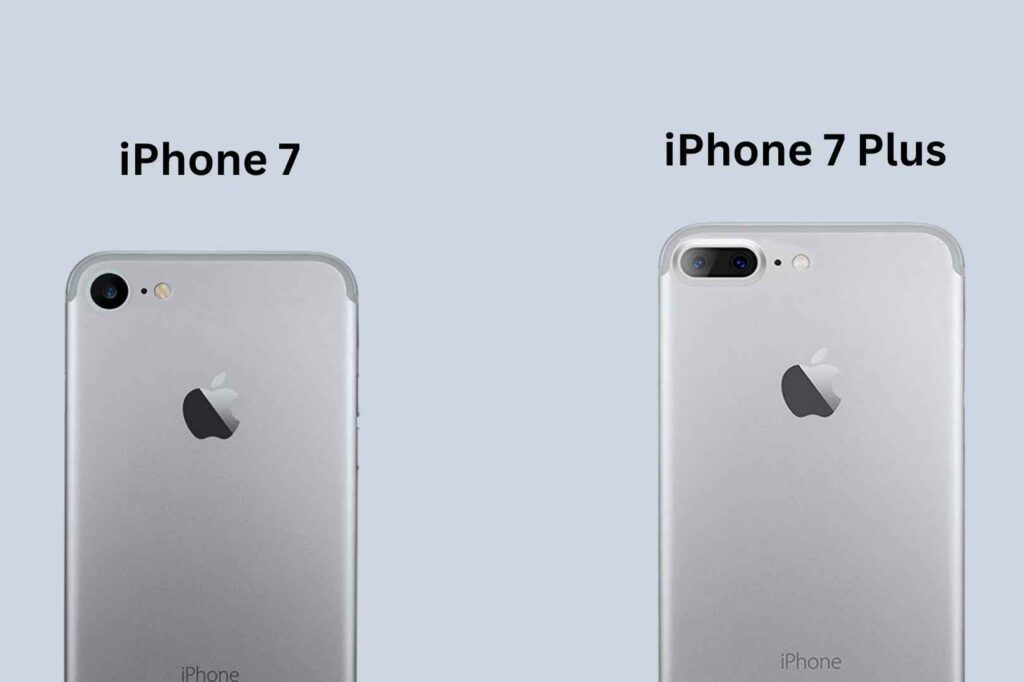
Two big moves with the iPhone 7: Apple added IP67 water resistance (meaning the phone survived splashes and brief submersion), and removed the 3.5mm headphone jack entirely. The second change sparked enormous backlash, though wireless headphones eventually became the norm anyway.
The 7 Plus introduced a dual-camera system — wide and telephoto — enabling 2x optical zoom and Portrait Mode, which used depth data to blur backgrounds like a DSLR. This started Apple’s obsession with computational photography.
What stood out:
- Water and dust resistance (IP67)
- No headphone jack (+ Lightning EarPods included)
- Dual cameras and Portrait Mode (7 Plus)
- Stereo speakers
iPhone 8 and iPhone 8 Plus — September 22, 2017
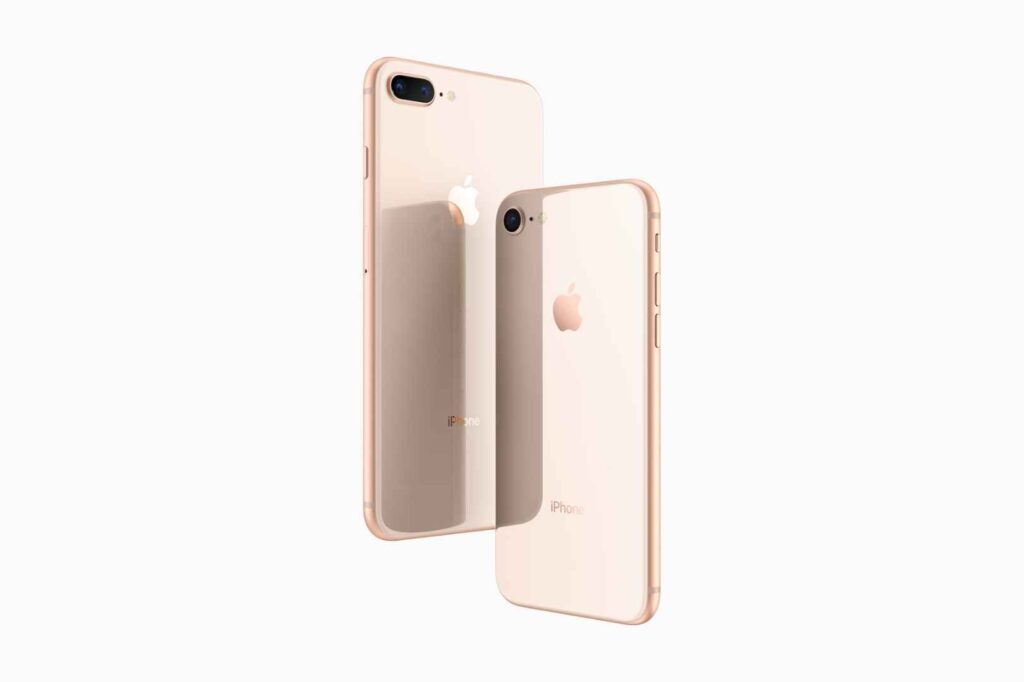
The 8 looked nearly identical to the 7 from the front, but Apple switched the back to glass to enable wireless Qi charging — a first for iPhone. The A11 Bionic chip was a significant performance step, and True Tone display technology automatically adjusted white balance to match ambient lighting.
Released the same year as the iPhone X, the 8 served as the “safe upgrade” option for users not ready for Face ID.
What stood out:
- Wireless Qi charging
- True Tone display
- A11 Bionic chip
- Portrait Lighting effects (8 Plus)
iPhone X — November 3, 2017
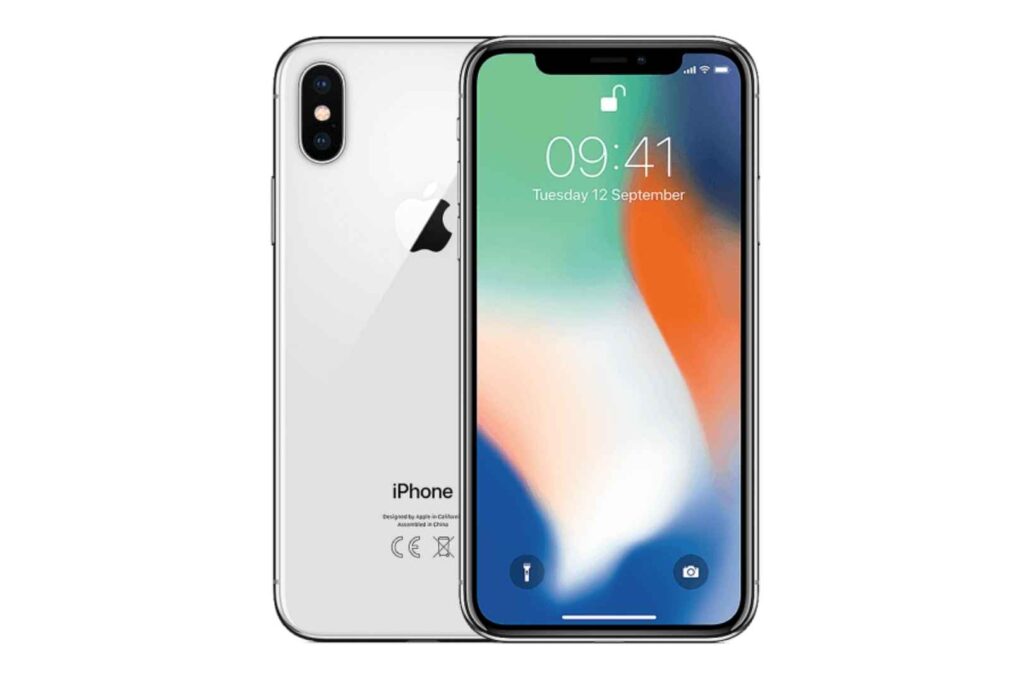
Apple marked its 10th anniversary with the most ambitious iPhone redesign to date. The X (pronounced “ten”) eliminated the Home button entirely, replacing Touch ID with Face ID — a 3D facial recognition system using an infrared dot projector and camera array. The result was a phone that was almost entirely screen from edge to edge.
The 5.8-inch OLED display was the first on an iPhone, delivering deeper blacks and more vivid colors than any previous model. Animoji — cartoon characters that mirrored your facial expressions — became an unexpected hit.
What stood out:
- Edge-to-edge OLED display
- Face ID replaces Touch ID
- No Home button
- Animoji
- A11 Bionic
iPhone XS, XS Max, and XR — September–October 2018
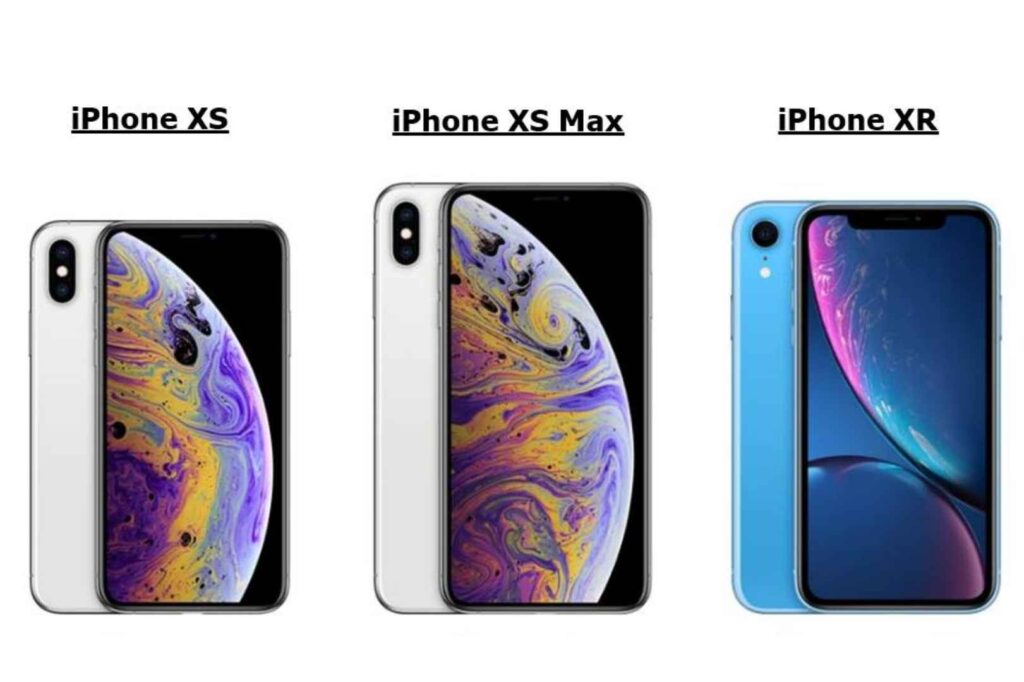
Apple followed the X with three distinct options. The XS and XS Max (6.5 inches, the largest iPhone yet) refined the X formula with the A12 Bionic chip and improved dual cameras. The XR offered a 6.1-inch LCD display at a lower price, sacrificing the second camera and OLED for better affordability.
All three added dual SIM capability and IP68 water resistance — rated for up to 2 meters for 30 minutes.
What stood out:
- A12 Bionic chip
- Dual SIM support
- IP68 water resistance
- Smart HDR photography
- XR: budget-friendly at the cost of some Pro features
iPhone 11, 11 Pro, and 11 Pro Max — September 20, 2019
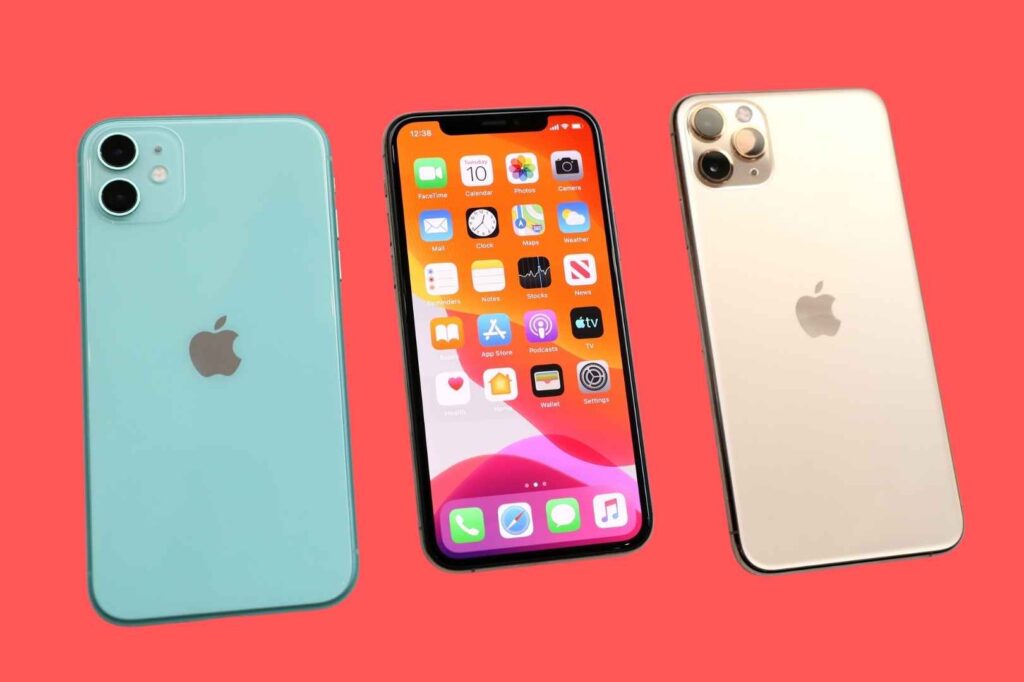
Night Mode was the headline feature — an algorithm that combined multiple exposures to produce bright, sharp photos in near-darkness. The Pro models introduced a triple-camera system (wide, ultra-wide, telephoto), giving users genuine creative flexibility. The camera bump that housed all three lenses prompted plenty of debate about aesthetics.
The A13 Bionic was the fastest mobile chip in the world at launch, and battery life improved meaningfully across all three models.
What stood out:
- Night Mode
- Ultra-wide camera (Pro models)
- Triple-camera system (Pro and Pro Max)
- Significant battery life improvement
- Matte finish on Pro models
iPhone SE (2nd Generation) — April 24, 2020
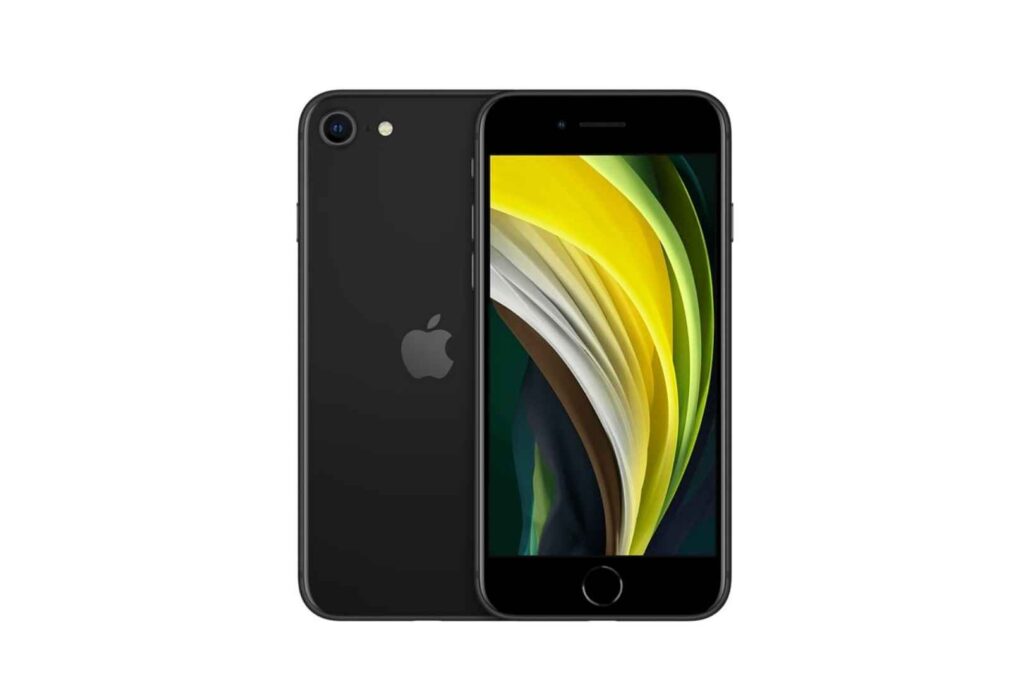
During a period when most new phones kept growing, Apple revisited the SE concept: flagship internals, smaller body, lower price. The second-gen SE packed the A13 Bionic chip from the iPhone 11 into the familiar iPhone 8 chassis. Portrait Mode arrived on a budget phone for the first time.
It launched during the COVID-19 pandemic when supply chains were strained, but demand was strong from users wanting modern performance without the flagship price.
What stood out:
- A13 Bionic in a budget device
- Portrait Mode
- Touch ID (Home button returns)
- Starts at $399
iPhone 12, 12 Mini, 12 Pro, and 12 Pro Max — October–November 2020
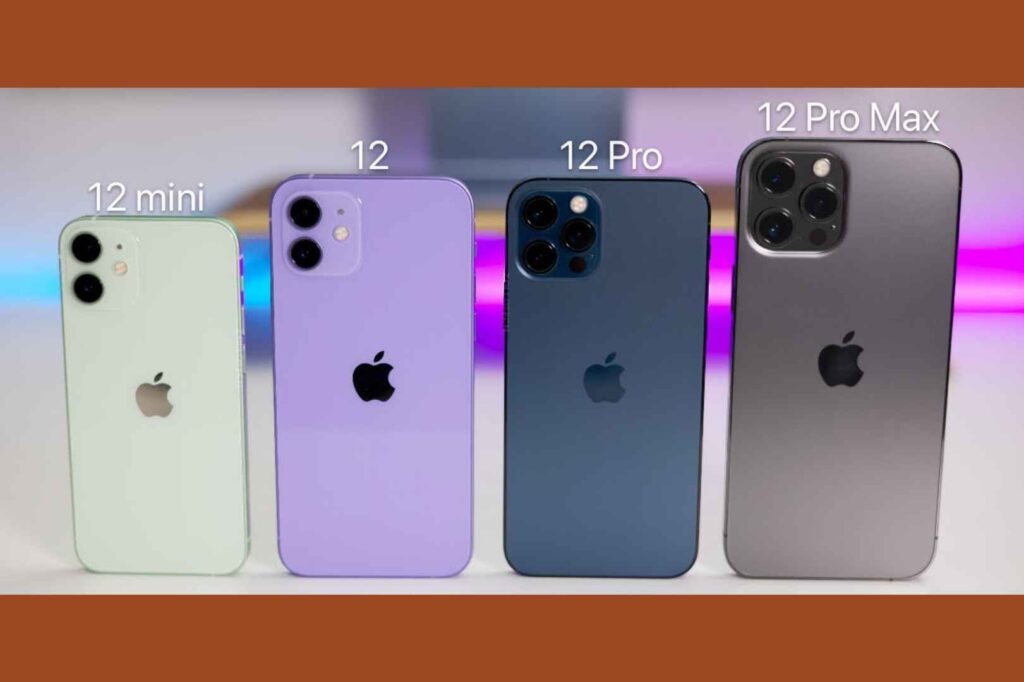
COVID-19 forced Apple’s first-ever staggered release. The 12 and 12 Pro launched October 23; the Mini and Pro Max followed November 13. The design made a sharp turn — literally. Flat edges returned, echoing the iPhone 4 and 5 era. It was a polarizing choice that many loved.
5G debuted across the entire lineup. The A14 Bionic was the world’s first 5nm chip in a smartphone. MagSafe — a ring of magnets embedded in the back — enabled precise wireless charging alignment and a new ecosystem of magnetic accessories.
What stood out:
- 5G connectivity
- Flat-edge design (throwback to iPhone 4/5)
- MagSafe magnetic ecosystem
- A14 Bionic (first 5nm chip)
- Dolby Vision video recording
iPhone 13, 13 Mini, 13 Pro, and 13 Pro Max — September 24, 2021
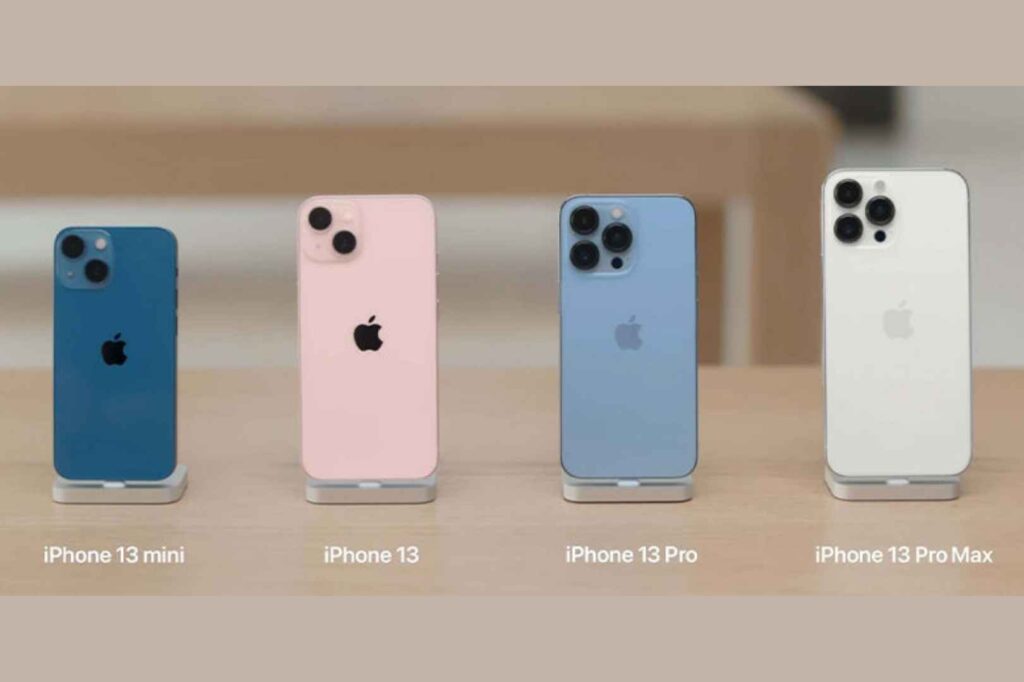
The iPhone 13 Pro introduced ProMotion — a 120Hz adaptive refresh rate display that made scrolling and animations visibly smoother. Battery life improved by up to 2.5 hours over the previous generation, which was one of the most significant real-world improvements in years.
Cinematic Mode brought shallow depth-of-field video to iPhone, automatically keeping subjects in focus as they move through the frame. It worked surprisingly well out of the box.
What stood out:
- 120Hz ProMotion display (Pro models)
- Cinematic Mode video
- Photographic Styles
- Larger sensor = better low-light performance
- Improved battery life across all models
iPhone SE (3rd Generation) — March 18, 2022
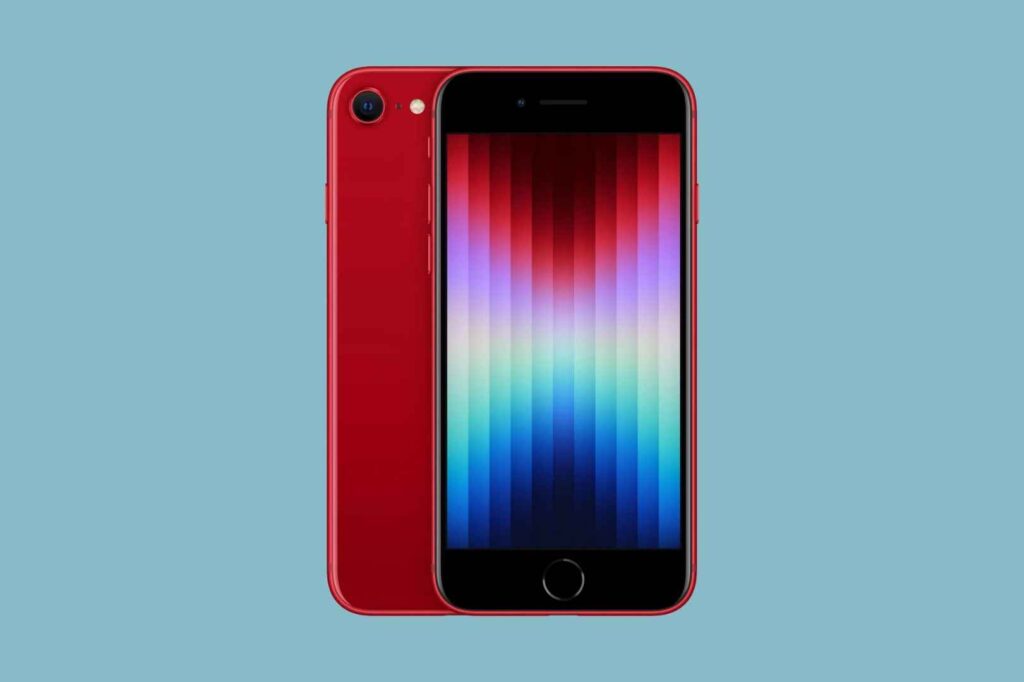
The third SE kept the same physical design as the second generation but upgraded the internals to the A15 Bionic chip and added 5G. For users prioritizing value and a smaller form factor, it remained the most affordable entry into the iPhone ecosystem.
What stood out:
- 5G support
- A15 Bionic chip
- Longest battery life of any SE model
- Still starts around $429
iPhone 14, 14 Plus, 14 Pro, and 14 Pro Max — September 16, 2022
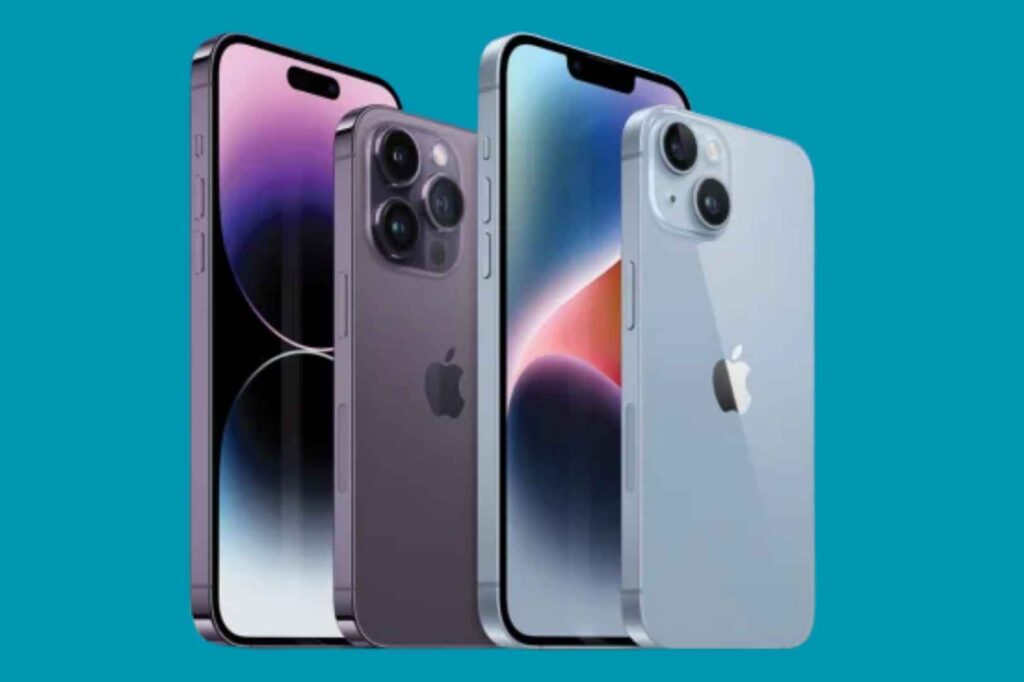
Apple split the lineup more aggressively than ever. The standard 14 and new 14 Plus used the previous generation’s A15 chip, while the Pro models received the A16 Bionic. More importantly, the Pro lineup introduced Dynamic Island — a software-driven pill shape at the top of the screen that replaced the notch and displayed contextual information from apps.
Emergency SOS via satellite allowed users to send distress signals with no cell coverage. Crash Detection automatically called emergency services if the phone detected a severe accident. Both features felt genuinely important rather than gimmicky.
What stood out:
- Dynamic Island (Pro models)
- Emergency SOS via satellite
- Crash Detection
- 48MP main camera (Pro models)
- iPhone Mini discontinued
iPhone 15, 15 Plus, 15 Pro, and 15 Pro Max — September 22, 2023
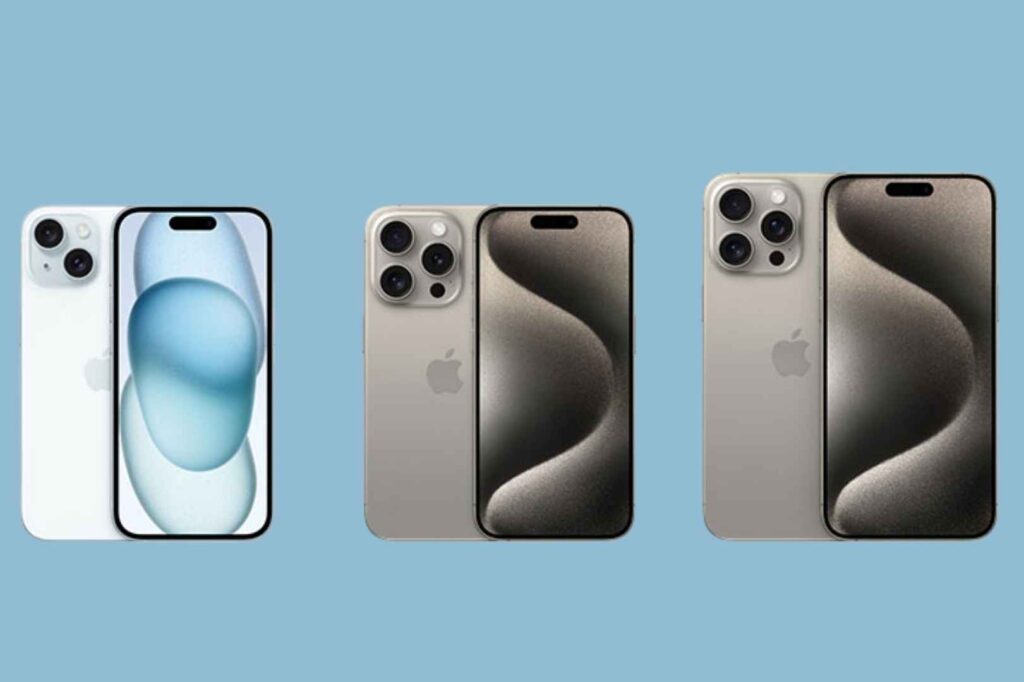
The most significant change was one that had been coming for years: Lightning was gone. USB-C replaced it across the entire lineup, partly in response to EU regulations, partly because it was genuinely better. One cable now handles iPhone, iPad, Mac, and most other electronics.
Dynamic Island came to the standard models. The Pro Max gained a 5x telephoto lens with a periscope design — effectively a 120mm equivalent focal length for detailed zoom shots. The A17 Pro chip introduced hardware ray tracing, opening the door to console-quality gaming on iPhone.
What stood out:
- USB-C replaces Lightning
- Dynamic Island across all models
- 5x periscope telephoto (15 Pro Max)
- A17 Pro with hardware ray tracing
- Action Button (Pro models)
iPhone 16, 16 Plus, 16 Pro, and 16 Pro Max — September 20, 2024
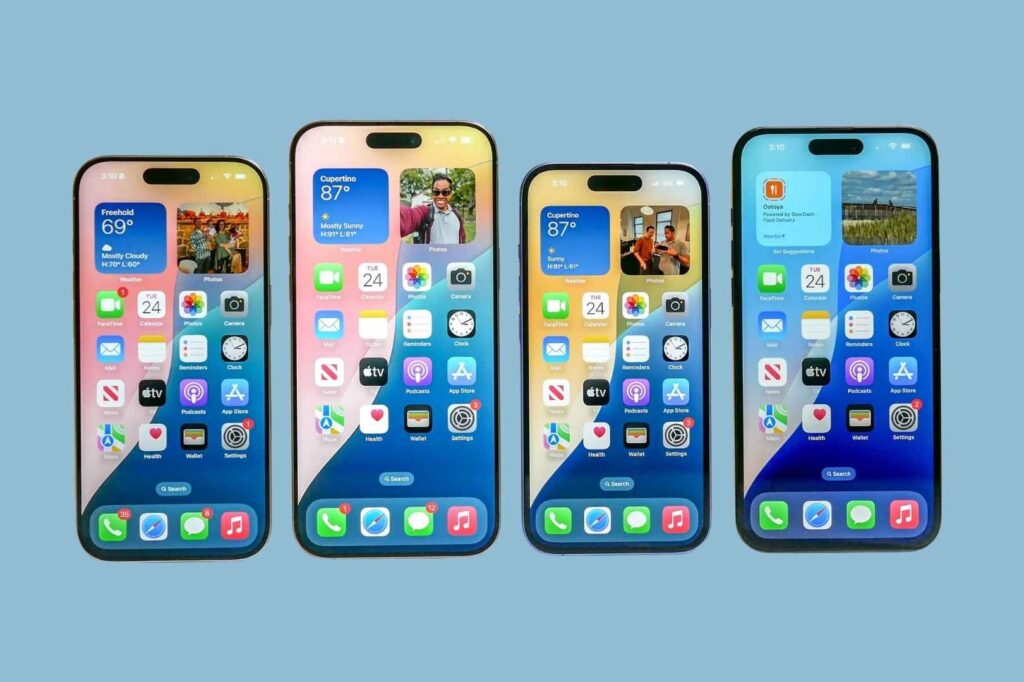
The iPhone 16 generation was designed around Apple Intelligence — Apple’s suite of on-device AI features. To support these workloads, all models received 8GB of RAM (up from 6GB) and the 3nm A18 chip. AI ran locally on the device, improving privacy and response speed.
A new Camera Control button on the right side of the phone gave photographers and videographers a dedicated hardware shortcut for shooting. The standard models got a vertical camera arrangement optimized for spatial video — a format viewable in three dimensions on Apple Vision Pro.
What stood out:
- Apple Intelligence (on-device AI)
- Camera Control hardware button
- 8GB RAM across all models
- 4K video at 120fps
- 5x telephoto now standard on all Pro models
iPhone 16e — February 28, 2025
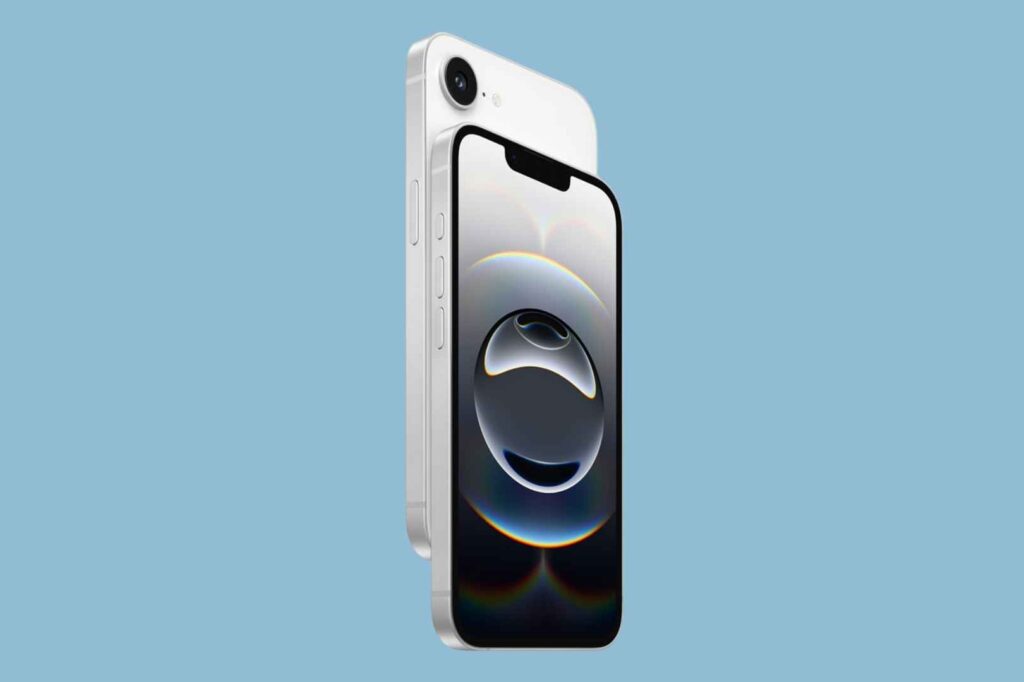
Positioned as the new budget entry point (replacing the SE line), the 16e brought Apple Intelligence to a more affordable price point. It used the A17 Pro chip from the previous generation, kept a single rear camera, and included the Camera Control button. A cleaner, more modern design compared to the SE’s dated iPhone 8 silhouette.
What stood out:
- Apple Intelligence at a lower price
- Modern design (no longer based on iPhone 8)
- Camera Control button
- A17 Pro chip
iPhone 17, 17 Air, 17 Pro, and 17 Pro Max — September 19, 2025
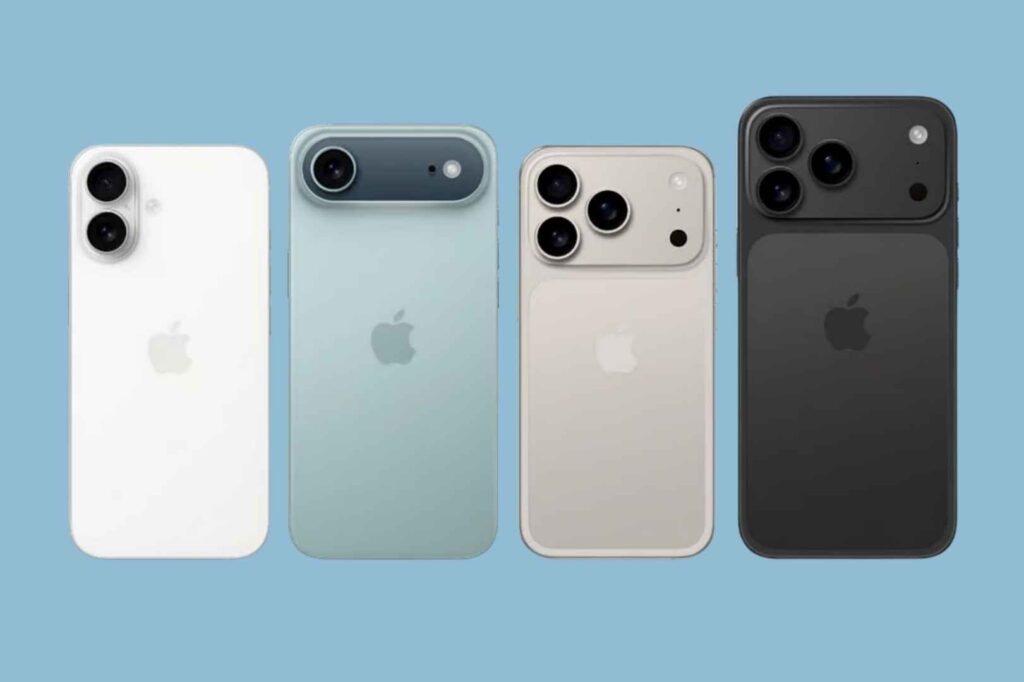
The current lineup as of late 2025. The “Air” branding replaced “Plus,” signaling a shift toward an ultra-thin design philosophy. At 5.6mm, the iPhone 17 Air is among the slimmest iPhones ever made, prioritizing portability for users who want a large screen without the weight of a Pro model.
All four models now share a 48MP front camera with Center Stage support — meaning the camera reframes itself in landscape and portrait without the user having to rotate the phone. The Pro models feature a new triple 48MP rear camera system and 8x optical zoom. ProRes RAW video arrives for the first time on a consumer device.
The A19 chip powers the standard and Air models; A19 Pro handles the Pro lineup.
What stood out:
- iPhone 17 Air — 5.6mm titanium frame, ultra-slim
- 48MP Center Stage front camera across all models
- Triple 48MP rear cameras (Pro)
- 8x optical zoom (Pro)
- ProRes RAW video
- A19 / A19 Pro chips
iPhone 17e — March 11, 2026
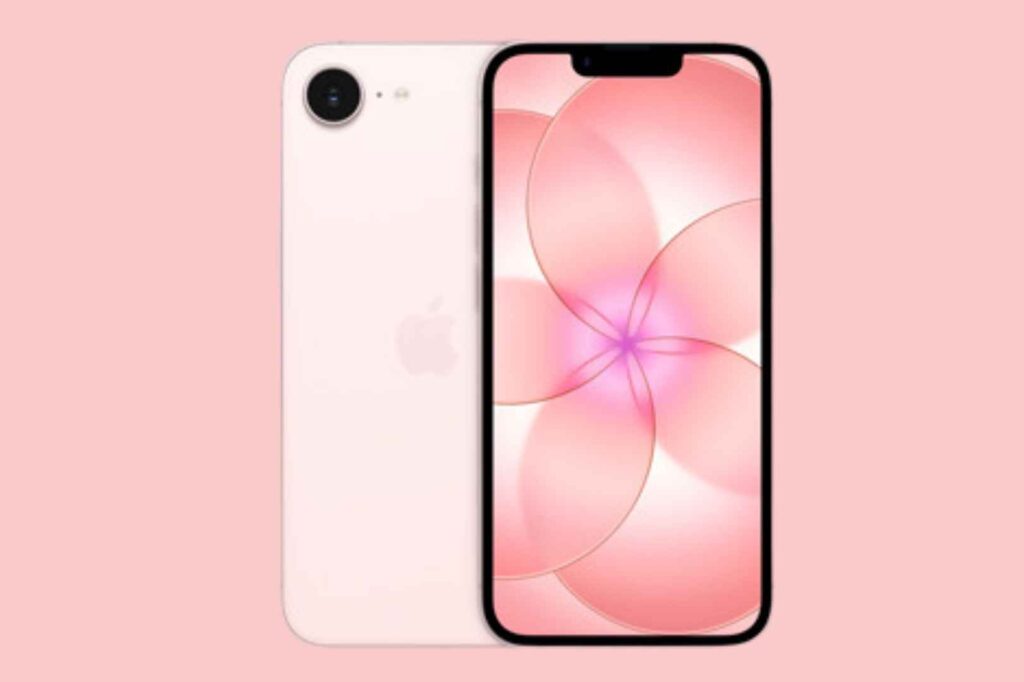
The “e” model enters the lineup as a more accessible iPhone option, focused on delivering core flagship features without the premium extras. It sits below the standard model, offering a balanced experience for users who want performance and reliability without going all-in on Pro-level hardware.
The iPhone 17e keeps the modern design language, including a flat-edge aluminum frame and OLED display, while trimming down on advanced camera hardware and materials. It still benefits from Apple’s latest software features and long-term support, making it a strong value pick in the lineup.
Powered by the A19 chip, it delivers smooth day-to-day performance, handling apps, gaming, and AI features without issues. The camera system is simplified but capable, tuned for consistent photos and video in most conditions.
What stood out:
- iPhone 17e streamlined design, more affordable entry point
- A19 chip same core performance as standard model
- Single/dual camera system reliable, simplified photography
- OLED display modern visuals without Pro extras
- All-day battery optimized for efficiency
- Focus on value flagship basics without premium add-ons
Feature Comparison: iPhone 14 through iPhone 17
| Feature | iPhone 14 | iPhone 15 | iPhone 16 | iPhone 17 |
|---|---|---|---|---|
| Chip | A15 Bionic | A17 Pro (Pro) / A16 (standard) | A18 | A19 / A19 Pro |
| RAM | 6GB | 6GB | 8GB | 8GB |
| Main camera | 12MP | 48MP | 48MP | 48MP |
| Front camera | 12MP | 12MP | 12MP | 18MP |
| Video | 4K @ 60fps | 4K @ 60fps | 4K @ 120fps | ProRes RAW |
| Connector | Lightning | USB-C | USB-C | USB-C |
| Key feature | Dynamic Island | USB-C transition | Apple Intelligence | Center Stage front camera |
What’s Ahead for iPhone?
Apple’s trajectory points toward a few clear directions:
Thinner and lighter — the iPhone 17 Air suggests Apple is betting on design-conscious buyers who want portability over camera count.
AI everywhere — Apple Intelligence will deepen with each iOS update. Expect more personal context, smarter Siri, and tighter integration between apps.
Camera as a platform — from computational photography to spatial video to ProRes RAW, the iPhone camera increasingly competes with dedicated cameras for creative professionals.
Foldables? — Rumors of a foldable iPhone have circulated for years. Whether Apple enters that market, and when, remains the industry’s biggest open question.
Frequently Asked Questions
How many iPhone models exist in total?
Apple has released over 50 individual iPhone models since 2007, spanning 18 annual generations. The count depends on whether you count size variants (Mini, Plus, Max) and SE models separately.
When did the first iPhone launch?
Steve Jobs announced it on January 9, 2007. It went on sale to the public on June 29, 2007.
Does Apple release a new iPhone every year?
Yes. Apple has released at least one new iPhone lineup every September since 2007, with occasional mid-cycle models (like the SE) released at other times of year.
What is the current iPhone model?
As of 2026, the current iPhone lineup is the iPhone 17 series — iPhone 17, iPhone 17 Air, iPhone 17 Pro, and iPhone 17 Pro Max, iPhone 17e — released March 11, 2026.
What happened to the iPhone Mini?
Apple discontinued the Mini line after the iPhone 13 Mini in 2021 due to lower-than-expected demand. The “Air” branding on the 17 series is a different take: a large screen in a thin, light body rather than a compact device.
When did iPhones switch to USB-C?
The iPhone 15 lineup (September 2023) was the first generation to use USB-C, replacing the Lightning connector that had been standard since the iPhone 5 in 2012.
What is the cheapest iPhone available new?
The iPhone 16e, launched in February 2025, is Apple’s most affordable current model with a starting price around $599.
Is the iPhone 12 or iPhone SE older?
- iPhone SE 1st Gen: March 2016 ✓ oldest
- iPhone SE 2nd Gen: April 2020
- iPhone 12: October 2020
- iPhone SE 3rd Gen: March 2022 ✓ newest of the group
What are the best iPhones ever made?
Subjective, but a few standout generational leaps: iPhone 4 (design revolution), iPhone 5s (Touch ID and 64-bit), iPhone X (Face ID, edge-to-edge OLED), iPhone 12 (5G and MagSafe), and iPhone 15 (USB-C). Each represented a moment where iPhone moved meaningfully forward.
Also read:
- iPhone 18 Pro Features: Everything You Need to Know Before September 2026
- iPhone Not Making Calls? Here’s How You Can Fix It