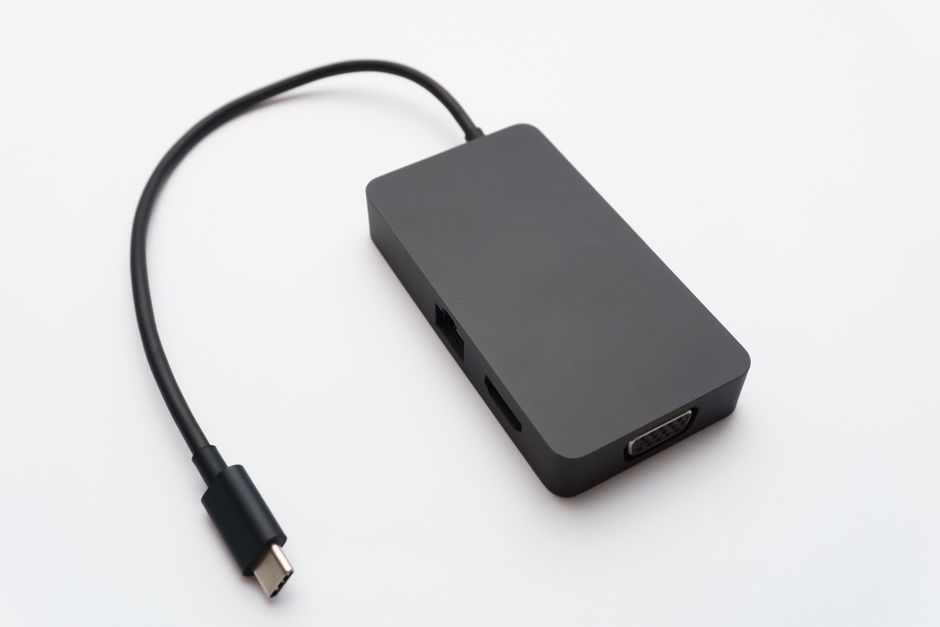
Framework, the modular laptop startup, released a new 10-gigabit Ethernet expansion module for its Laptop 16, enabling ultra-high-speed wired connectivity. However, the module exposes a fundamental limitation of USB-C: theoretical bandwidth and real-world throughput often diverge significantly. Jeff Geerling’s technical analysis and Engadget’s review show that the 10Gb module tops out at approximately 9.4 Gbps on many Framework laptops, not the theoretical 10 Gbps.
The limitation stems from USB-C complexity. Achieving 10 Gbps Ethernet requires USB 3.2 Gen 2×2, which provides 20 Gbps of bandwidth. However, not all Framework laptops implement the full USB 3.2 Gen 2×2 standard. Some implement USB 3.1, which tops out at 10 Gbps total. When that 10 Gbps must be shared between the Ethernet controller and other USB functions, the Ethernet module never reaches full rated speed. For more on this technology, see our USB-C technology guide.
Module Specifications and Cost
The Framework 10G Ethernet module costs $99 and uses the Realtek RTL8159 controller, a standard Ethernet chip in high-speed networking equipment. The module is physically compact, fitting Framework’s design philosophy of modular, swappable ports. However, buyers should understand that real-world speeds depend on their specific laptop model and USB implementation.
For comparison, Framework’s existing 2.5Gb Ethernet module costs $40 and delivers nearly its rated speed on all laptop models. The 2.5Gb module is simpler, requiring only USB 3.0 bandwidth, which is more universally available. The 10G module is for users who specifically need higher speeds and understand USB-C complexities.
Real-World Performance Testing
Testing reveals that the 10G module achieves different speeds on different Framework laptops. On models with full USB 3.2 Gen 2×2 support, speeds approach 9.4 Gbps, roughly 94 percent of rated capacity. On models with less robust USB implementation, speeds drop further. This variation frustrates buyers expecting advertised speeds and reflects a broader USB-C complexity issue affecting the entire industry. Explore our high-speed networking guide for networking solutions.
The problem is not Framework-specific. Any USB-C Ethernet adapter faces the same limitation: USB-C bandwidth is shared among all port functions, and not all laptop makers implement the full standard. Framework is transparent about this, but many buyers do not understand USB-C enough to anticipate the limitation.
Why This Matters
The Framework 10G module is important because it demonstrates that USB-C is reaching its practical limits for high-speed connectivity. Video, Ethernet, and power delivery all compete for bandwidth. As users demand more functionality through a single port, compromises become inevitable. Future laptops may need dedicated Ethernet ports or alternative high-speed connectors to achieve full 10Gb speeds.
Framework’s modular approach lets users add the performance they need without including unnecessary ports. Users who do not need Ethernet skip the module entirely. Users who need ultra-fast file transfers between local servers or NAS devices now have an option. This flexibility is Framework’s core strength.
Who Should Buy It
The 10G module suits professionals who regularly transfer large files over Ethernet. Video editors moving multi-terabyte projects, data scientists uploading datasets, and system administrators backing up servers all benefit from 10Gb connectivity. For typical users consuming cloud content and browsing websites, 2.5Gb is more than sufficient, and the cheaper module makes sense.
Related Articles
Best Laptops of 2026: Reviews and Comparisons

Trust Post Desk
A journalist and editor at TrustPost.org covering world and national news, technology updates and human-interest stories. They check every fact, interview sources in person or online, and aim to deliver clear, accurate reporting. Their work ranges from breaking news to in-depth features and daily newsletters. Outside the newsroom, they follow emerging trends and engage with readers on social media.