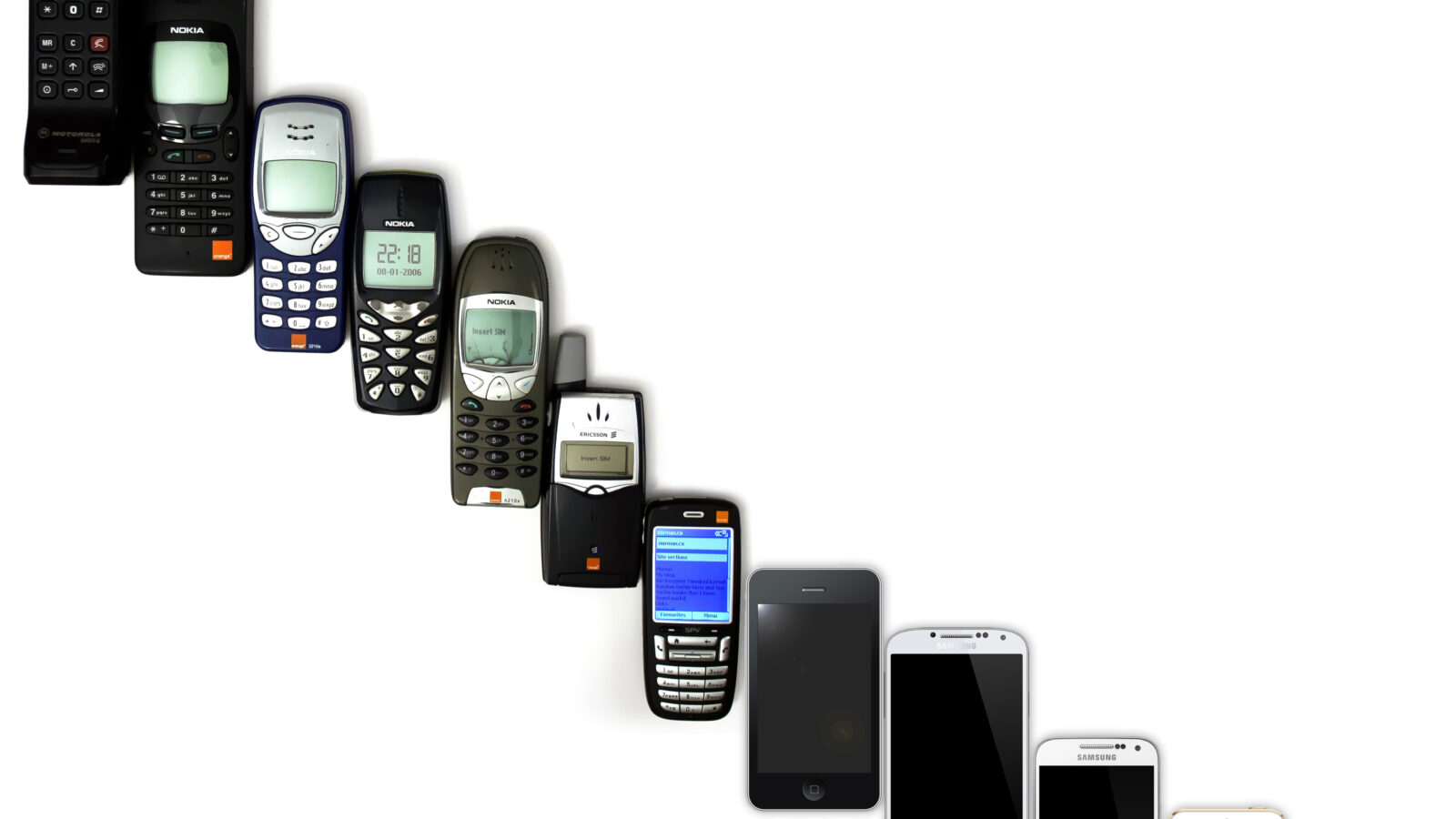
Gen Z is ditching smartphones at a surprising rate in 2026, swapping them for dumb phones, flip phones, and analog hobbies.
What started as a niche movement has grown into a $5 billion analog economy that is reshaping how young Americans live and consume.
Why Gen Z Is Ditching Smartphones in 2026
From 2021 to 2024, brick phone purchases among 18 to 24-year-olds surged 148%, while smartphone use in that age group dropped 12%.
The primary drivers are digital burnout, anxiety from social media comparison, and a desire to reclaim focus from algorithm-driven apps.
A 2024 US survey found 28% of Gen Z respondents were interested in buying a dumb phone, the highest rate of any generation polled.
Hashtags like ‘flip phone summer’ and ‘dopamine diet’ have racked up hundreds of millions of views on TikTok and Instagram in 2026.
The Rise of Dumb Phones and Flip Phones
Dumb phones, also called feature phones, handle calls and texts but have no social media apps, no browser, and no push notifications.
The global dumb phone market reached over $10.6 billion in 2024, driven largely by younger buyers seeking a simpler mobile experience.
Basic Nokia and Motorola flip phones are now seen as status symbols in some Gen Z circles, signaling a conscious lifestyle choice.
Per Yahoo Finance analog economy report, brands selling dumb phones, vinyl records, film cameras, and physical books are all seeing strong sales growth in 2026.
Beyond Phones: The Broader Gen Z Analog Economy
The analog trend extends well beyond phone choices. Knitting, baking, gardening, and birdwatching have grown rapidly in the 18-28 age bracket.
Digital detox cabin company Unplugged grew from a handful of UK locations in 2020 to over 50 sites by 2026, meeting surging demand.
Phone-free clubs, analog board game bars, and in-person book clubs are appearing in US cities as alternatives to screen-centered socializing.
Per VERTU digital minimalism 2026 report, the social media blocker app market will grow from $1.47 billion in 2025 to $5 billion by 2035.
The Mental Health Connection to Smartphone Addiction
Research consistently links heavy smartphone use to elevated anxiety, disrupted sleep, and shorter attention spans in young adults.
Many Gen Z users describe their dumb phone switch as transformative, reporting less anxiety, better sleep, and more real-world connection.
Building an offline morning routine is one easy first step. Our morning routine guide covers practical habits to start your day without a screen.
The ‘dopamine diet’ concept, limiting digital stimulation to reset reward pathways, has become a widely discussed wellness framework online.
Who Is Driving the Analog Movement?
Gen Z, born between 1997 and 2012, grew up entirely with smartphones and social media, making their rejection of these tools striking.
Young men in particular are cited as driving the trend, seeking tangible experiences and offline community after years of digital-only socializing.
The movement aligns with a broader focus on longevity and lifestyle. Our longevity diet and lifestyle habits explores how offline habits directly affect health outcomes.
Is the Gen Z Analog Trend Here to Stay?
Market analysts argue the analog economy is not a passing fad but a structural shift in how young consumers want to live and spend.
Fortune called it ‘at least a $5 billion opportunity’ in April 2026, noting that multiple product categories are benefiting simultaneously.
Schools in several US states have already banned smartphones in classrooms, giving institutional weight to the broader screen-reduction movement.
Whether the trend grows or levels off, it reflects a generation actively choosing its relationship with technology rather than passively accepting it.
Related Articles

Trust Post Desk
A journalist and editor at TrustPost.org covering world and national news, technology updates and human-interest stories. They check every fact, interview sources in person or online, and aim to deliver clear, accurate reporting. Their work ranges from breaking news to in-depth features and daily newsletters. Outside the newsroom, they follow emerging trends and engage with readers on social media.