
A hantavirus warning was issued in June 2026 as rodents spread the virus causing severe heart and lung risks with high mortality symptoms.
Health officials across the US and internationally raised alert levels after multiple hantavirus cases were confirmed in rodent-exposed individuals.
What Is Hantavirus and Why Is There a 2026 Warning?
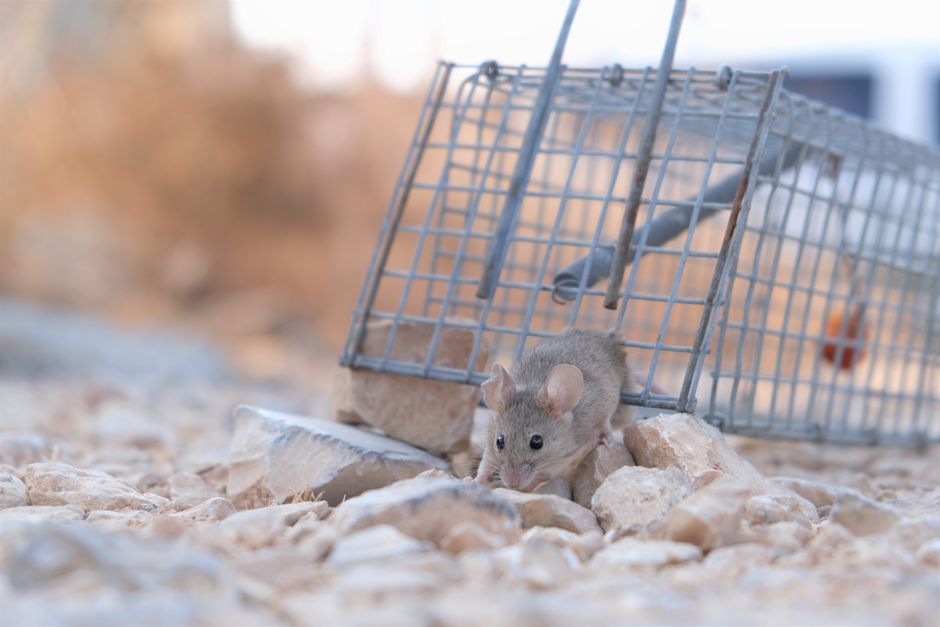
Hantavirus is a family of viruses carried by rodents, primarily deer mice in North America, and transmitted to humans through contact with infected droppings.
People contract hantavirus by inhaling dust contaminated with infected rodent urine, droppings, or saliva, or through direct rodent bites.
The virus is not transmitted from person to person, meaning hantavirus cannot spread like influenza or COVID-19 through social contact.
Per ScienceDaily health reporting, June 2026 cases have prompted renewed public health guidance from federal and state health agencies.
Rodent populations have grown in many US regions following mild winters in 2025 and 2026, increasing human-rodent contact in rural and suburban areas.
Hantavirus Symptoms and Risks After Rodents: What to Watch For
Early hantavirus symptoms appear 1 to 8 weeks after exposure and include fever, severe muscle aches, and fatigue resembling flu-like illness.
The disease progresses rapidly to hantavirus pulmonary syndrome (HPS), with severe shortness of breath as fluid fills the lungs.
In its most severe form, hantavirus causes hantavirus cardiopulmonary syndrome, where both the heart and lungs fail simultaneously.
HPS has a case fatality rate of approximately 38%, making it one of the deadliest viral infections endemic to North America.
Anyone experiencing fever, fatigue, and breathing difficulty within 8 weeks of rodent exposure should seek emergency medical care immediately.
Hantavirus Treatment: What Doctors Can Do and What They Cannot
There is currently no approved antiviral drug specifically for hantavirus, and treatment consists entirely of supportive care in intensive settings.
Supportive care includes mechanical ventilation, cardiac monitoring, intravenous fluids, and blood pressure support for severe cases.
The CDC hantavirus guidance emphasizes early ICU transfer with ECMO capability as the best path to surviving severe hantavirus cases.
Ribavirin has been used experimentally for hantavirus treatment but has not shown consistent benefit in controlled trials.
For context on how AI tools are being used to accelerate viral disease research, see our article on AI in healthcare and disease monitoring.
How to Protect Yourself From Hantavirus in 2026
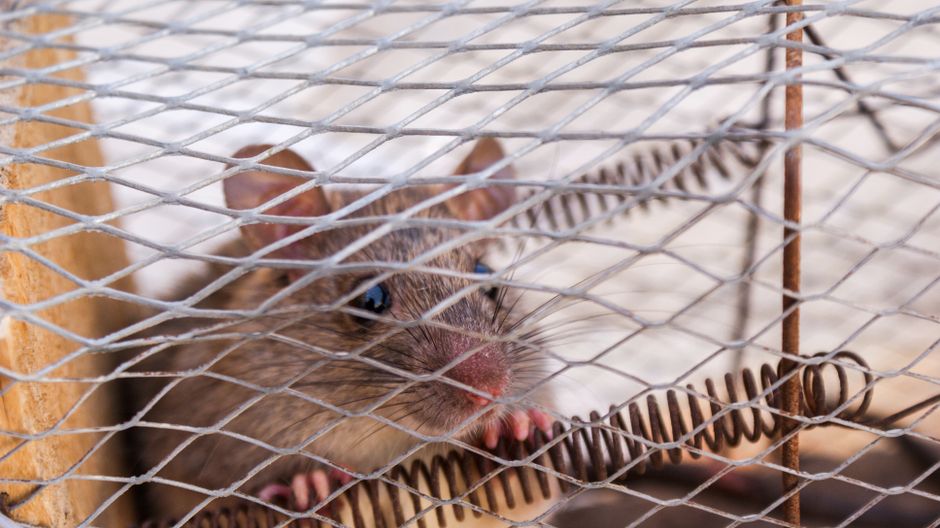
Seal all gaps larger than a dime in your home’s exterior walls, foundation, and roof to prevent rodent entry during the high-risk season.
When cleaning areas with rodent droppings, wear gloves and an N95 respirator mask and ventilate the space for 30 minutes before entering.
Wet contaminated surfaces with a bleach solution before wiping rather than sweeping or vacuuming, which can aerosolize the virus particles.
Store food in sealed containers and keep garbage in rodent-proof bins to reduce the food sources that attract deer mice and other carriers.
See our piece on using AI for health advice for guidance on when digital health tools can supplement, not replace, professional medical care.
Related Articles

Trust Post Desk
A journalist and editor at TrustPost.org covering world and national news, technology updates and human-interest stories. They check every fact, interview sources in person or online, and aim to deliver clear, accurate reporting. Their work ranges from breaking news to in-depth features and daily newsletters. Outside the newsroom, they follow emerging trends and engage with readers on social media.