Iran Oil Shock Fractures Southeast Asia With Philippines and Thailand Hit Hardest
The Iran war-linked oil price surge that pushed Brent crude above $90 per barrel in April and May 2026 has fractured Southeast Asia’s economic outlook, hitting energy importers like the Philippines and Thailand far harder than commodity exporters like Malaysia.
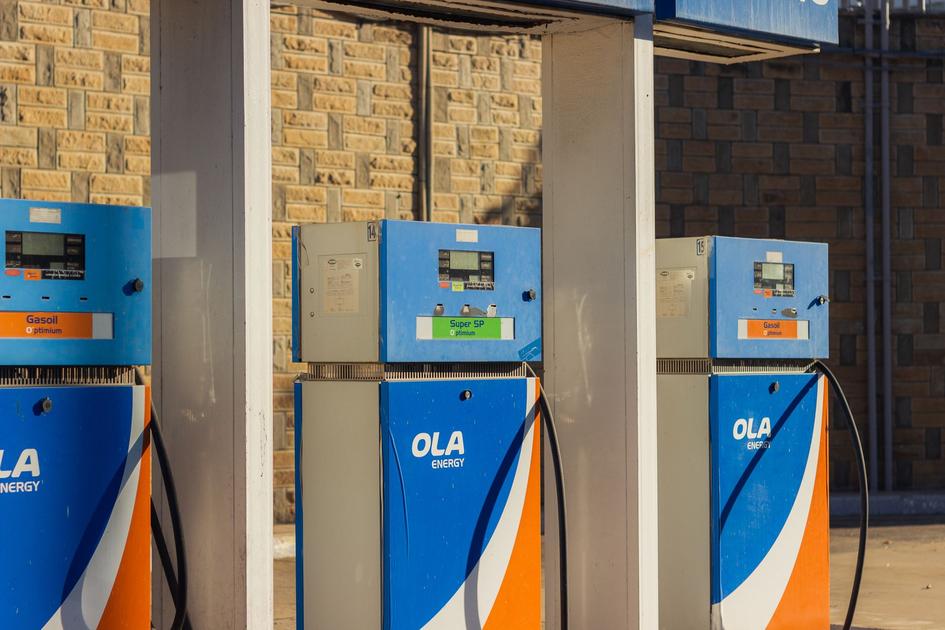
The oil price surge linked to the Iran conflict has hit Southeast Asia unevenly and deeply.
Brent crude traded between $88 and $94 per barrel from late April through May 2026.
For more context, see our coverage of US-India Trade Deal Latest Updates.
Both the Philippines and Thailand are large net energy importers with limited domestic oil production.
Philippines and Thailand Bear the Brunt
Higher gasoline and diesel prices fed directly into inflation in both countries.
Thai household debt is already among the highest in Southeast Asia, leaving little room to absorb cost rises.
For more context, see our coverage of Renewable Energy Growth 2026.
The Philippines saw consumer spending fall as fuel costs squeezed family budgets nationwide.
Energy Exporters Benefit
Malaysia and Brunei, both oil and gas exporters, saw government revenues increase at higher prices.
Malaysia’s Petronas recorded stronger quarterly profits during the high oil price period.
For more context, see our coverage of Climate Litigation 2026 Courts Around the World.
Indonesia’s domestic coal and palm oil exports also benefited from the commodity price environment.
Regional Economic Outlook
Southeast Asia overall is forecast to grow at around 4.3 to 4.7 percent in 2026.
But the Iran ceasefire and falling oil prices are providing some relief for energy importers.
The World Bank and ADB have both revised regional growth forecasts down from earlier projections.
Broader Context and Background
Economists say the region’s recovery depends partly on how quickly Hormuz shipping normalises.
Developments like these rarely happen in isolation. They reflect deeper structural trends reshaping communities and economies over time.
Analysts tracking the region note that interconnected forces are at work. Global trade patterns, demographic shifts, and policy changes all feed into local outcomes.
Voices From the Ground
Civil society organizations have documented rising public interest in these issues. Grassroots engagement often signals where formal institutions will eventually follow.
Historical precedents suggest that similar situations have unfolded before. Understanding those patterns helps explain the current dynamics more clearly.
Academic researchers studying the area point to structural factors that shape outcomes. Infrastructure investment, education levels, and institutional quality each play a significant role.
What Comes Next
Local residents and community representatives have shared varied perspectives on the situation. Their firsthand accounts provide context that official data alone cannot offer.
Small business owners and workers in the sector report mixed experiences. Some see opportunity in recent changes while others face adjustment challenges.
Youth groups have been particularly vocal about long-term concerns. Their priorities often differ from those of older generations and established institutions.
Cultural and religious organizations in the area have also weighed in. Community cohesion and shared values remain central to how local populations process change.
Observers across sectors are watching key indicators closely. Policy decisions made in the near term will likely shape the trajectory for years ahead.
International partners and neighboring regions have a stake in how developments unfold. Cross-border cooperation could amplify positive outcomes and reduce shared risks.
Technological tools and real-time data are increasingly used to monitor progress. Decision-makers who leverage these resources tend to respond more effectively to emerging challenges.
Transparency and consistent communication from authorities remain critical. Public trust is difficult to build and easy to lose, making accountability essential at every stage.
The situation continues to evolve and TrustPost will provide ongoing coverage. Readers are encouraged to follow updates as new information becomes available.
Sources and Further Reading
Learn more at TechCrunch.
Learn more at The Verge.
Learn more at Wired.