A US-brokered ceasefire agreement between Israel and the Lebanese government took effect on June 4, 2026, establishing a conditional pause in the fighting that
had resumed in Lebanon following the February 28 US-Israeli strikes on Iran and the escalation of hostilities between Israeli forces and Hezbollah that those
For more context, see our coverage of Gaza Ceasefire Collapse 2026.
Key Developments
strikes triggered across the Lebanese border. The ceasefire, announced by the US State Department and accepted by the Israeli government cabinet and the Lebanese
government, was premised on Hezbollah halting attacks on Israel and withdrawing its armed operatives from the area south of the Litani River, in exchange
for a commitment by Israel not to target Beirut’s southern suburbs – the densely populated area that serves as Hezbollah’s urban stronghold and administrative
Background and Context
For more context, see our coverage of Apple Becomes First $4 Trillion Company.
base. However, within hours of the agreement’s announcement, Hezbollah rejected the terms on the grounds that the ceasefire required Hezbollah, but not Israel, to
cease attacks, a structural asymmetry that Hezbollah’s leadership described as an attempt to disarm it while leaving Israeli forces free to operate in Lebanese
What Experts Are Saying
territory.
For more context, see our coverage of US and Iran Sign Peace Framework.
The ceasefire’s fragility was confirmed by reports of continued attacks from both sides in the days following June 4.
Hezbollah continued to launch anti-tank guided missiles and drone strikes at Israeli military positions in Lebanon, though it maintained the limited restraint of not
targeting northern Israeli population centers that it had adopted during the most intense phase of the conflict.
Israel continued air operations against Hezbollah military infrastructure in Lebanon, including weapons storage sites, command posts, and logistics routes that Israeli military planners identified
as active military targets despite the nominal ceasefire. The United Nations Interim Force in Lebanon, which has been deployed in southern Lebanon since 1978,
reported multiple violations of the ceasefire from both sides in the first week following the June 4 announcement.
The 2026 Lebanon ceasefire operates within the context of the broader Iran-Israel-US conflict that began February 28.
A previous Israel-Lebanon ceasefire had been established in late November 2024, creating a period of reduced hostilities that held through most of 2025 before
collapsing in late February 2026 when the US-Israeli strikes on Iran triggered Hezbollah’s response. The April 16, 2026 Israel-Lebanon ceasefire agreement, described by some
reports as the “2026 Israel-Lebanon ceasefire,” established a temporary cessation that held longer than the June 4 agreement has managed, lasting several weeks before
the pattern of violations described above emerged. The June 22 follow-up talks between Israeli and Lebanese representatives, facilitated by the United States, are aimed
at producing a more comprehensive arrangement that addresses the core dispute over Hezbollah’s armed presence south of the Litani River – a dispute that
has persisted since UN Security Council Resolution 1701 in 2006 required Hezbollah’s withdrawal from the area and was never fully implemented.
The US-Iran MOU announced June 14 changes the strategic calculus for Hezbollah as well: if Iran is moving toward a formal peace agreement with
the United States, the rationale for Hezbollah’s continued military operations in southern Lebanon – framed as supporting Iran’s resistance axis – becomes harder to
sustain politically within Lebanon itself.
The Broader Lebanon-Israel Conflict Context in 2026
For Lebanon itself, a country that entered 2026 still rebuilding from the economic collapse of the early 2020s and the physical damage of the
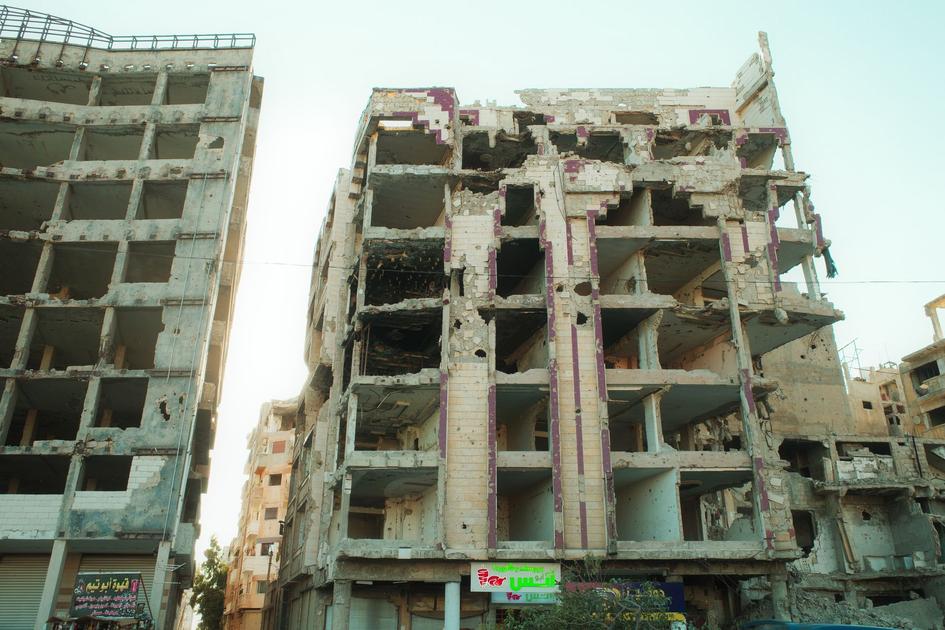
2024 conflict, the continuation of hostilities in the south represents an ongoing catastrophe. Southern Lebanese communities have been largely evacuated, with hundreds of thousands
of displaced residents unable to return to their homes and farmland due to the active conflict and unexploded ordnance.
The Lebanese state, which has neither the political authority nor the military capability to impose compliance with the ceasefire terms on Hezbollah, finds itself
in the uncomfortable position of having signed an agreement whose primary obligation falls on a party – Hezbollah – that operates as a state
within a state and does not take direction from the Lebanese government. The combination of displacement, economic disruption, and the continuing toll of military
operations has deepened Lebanon’s humanitarian crisis in ways that the June 4 ceasefire, even if it were being fully observed, would only begin to
address.
Sources and Further Reading
Learn more at ESPN.
Learn more at BBC Sport.
Learn more at Sky Sports.
Related Articles

Trust Post Desk
A journalist and editor at TrustPost.org covering world and national news, technology updates and human-interest stories. They check every fact, interview sources in person or online, and aim to deliver clear, accurate reporting. Their work ranges from breaking news to in-depth features and daily newsletters. Outside the newsroom, they follow emerging trends and engage with readers on social media.