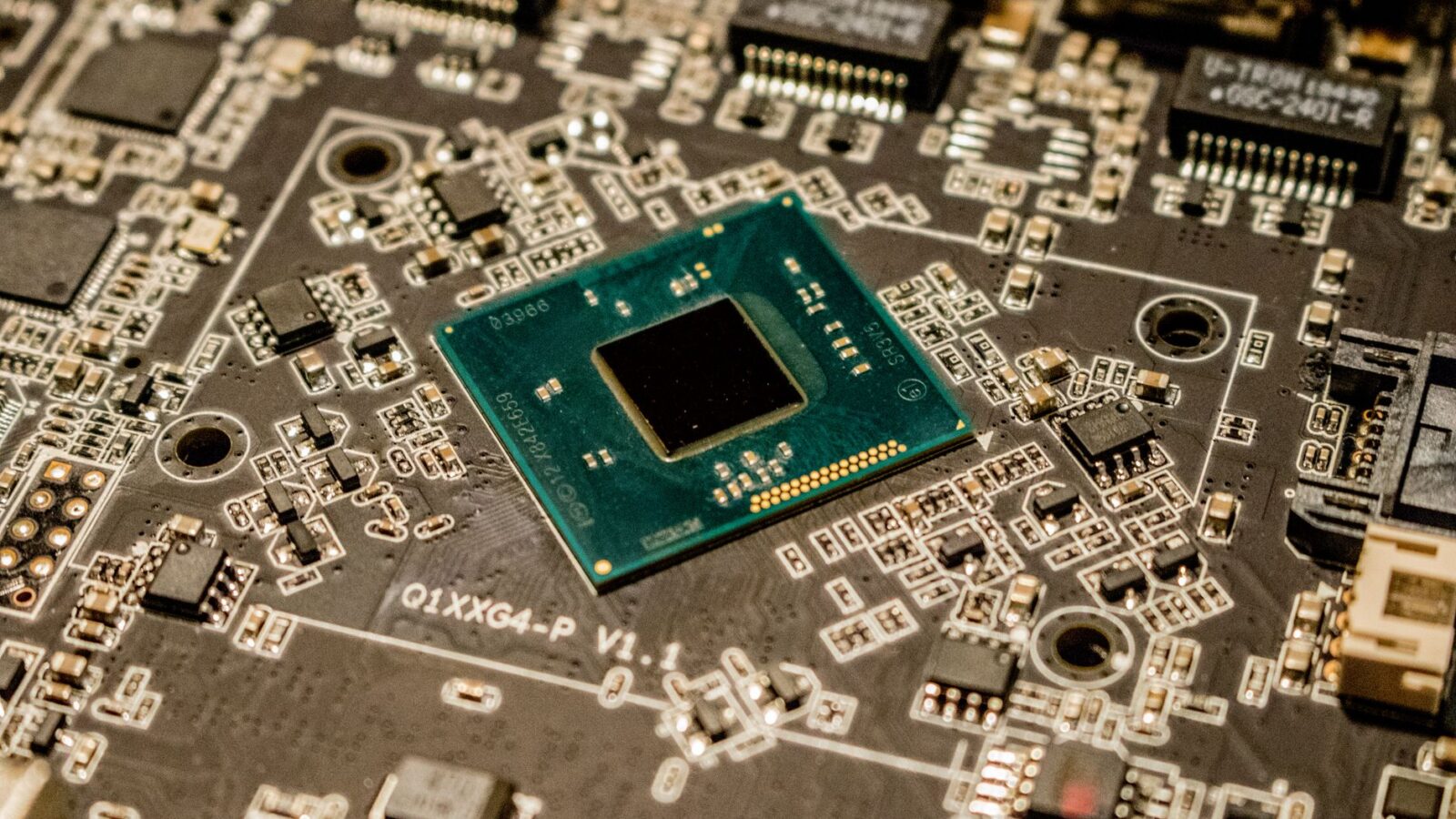
OpenAI and Broadcom have revealed Jalapeno, their first custom AI chip, marking a major step in OpenAI’s push to control its own hardware.
The companies announced the chip on June 24, 2026, eight months after first confirming their semiconductor partnership in October 2025.
OpenAI and Broadcom Reveal the Jalapeno Chip

Jalapeno is a custom application-specific integrated circuit, or ASIC, built specifically to run OpenAI’s artificial intelligence models efficiently.
Unlike general-purpose GPUs, an ASIC is designed for one narrow task, trading flexibility for lower cost and higher efficiency.
OpenAI designed the chip in just nine months and also built large parts of the computer system that surrounds it.
According to TechCrunch report on the chip, the company targets initial deployment of Jalapeno chips by the end of 2026.
The name Jalapeno follows OpenAI’s informal tradition of giving internal projects playful, memorable codenames during development.
Why OpenAI Built a Chip for Inference
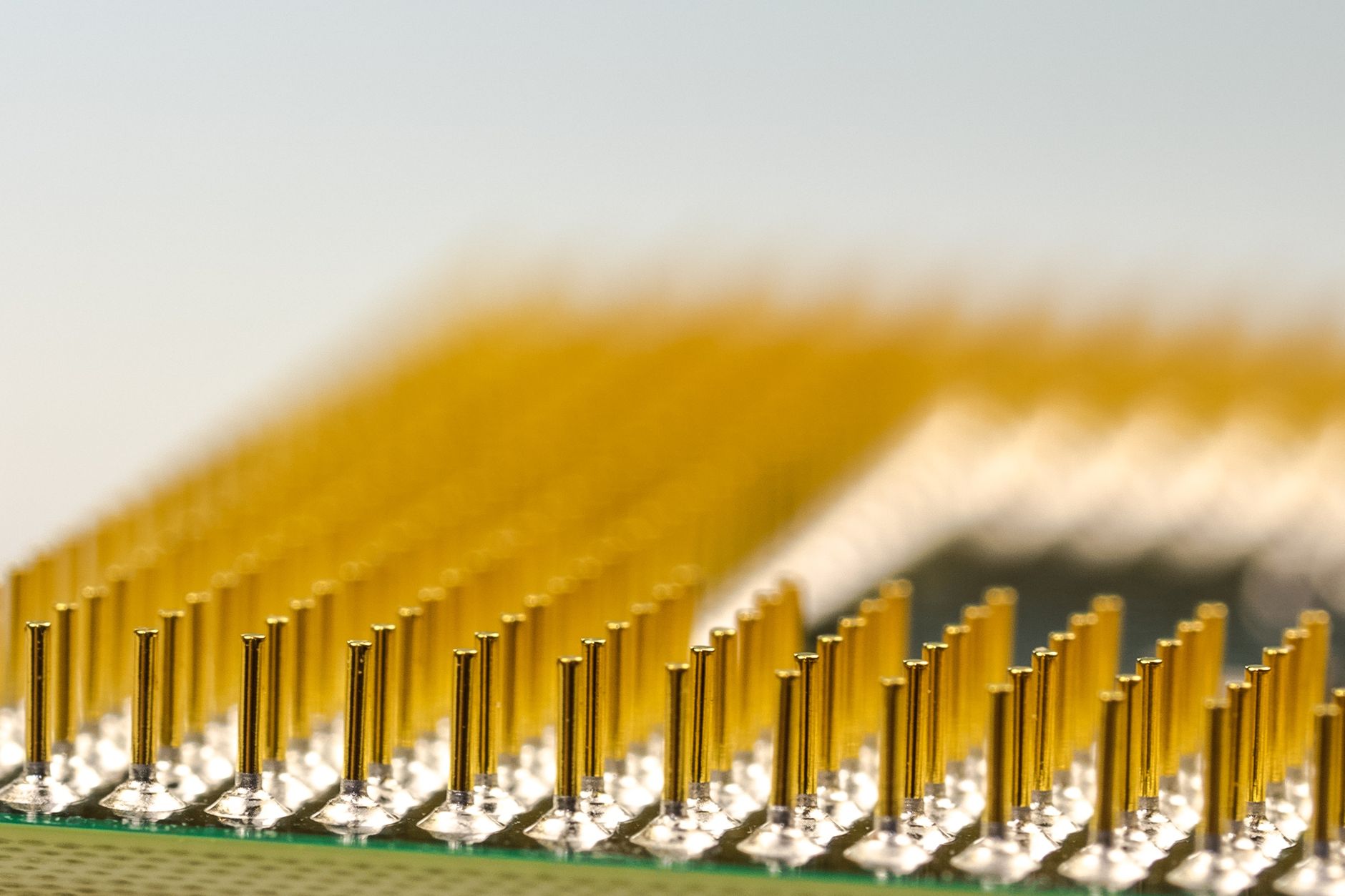
Jalapeno is optimized for inference, the process of running a finished AI model to answer user prompts in real time.
Inference is now the dominant cost for AI companies, since every ChatGPT query consumes expensive computing power at massive scale.
By designing its own inference chip, OpenAI aims to cut its dependence on Nvidia and reduce long-term operating costs.
Early testing shows Jalapeno delivers performance per watt substantially better than current state-of-the-art hardware, OpenAI says.
CNBC coverage of Jalapeno notes the ASIC approach is cheaper than Nvidia GPUs but less adaptable to new model architectures.
Better performance per watt directly lowers electricity bills, a growing concern as AI data centers consume enormous amounts of power.
Inside the OpenAI and Broadcom 10-Gigawatt Deal

Jalapeno is the first product of a far larger collaboration between OpenAI and Broadcom announced in October 2025.
That agreement covers 10 gigawatts of custom AI accelerators, with Broadcom deploying racks of systems and networking equipment.
Deployment is scheduled to begin in the second half of 2026 and complete by the end of 2029.
OpenAI designs the accelerators and systems, while Broadcom handles development, manufacturing partnerships, and large-scale data center deployment.
The full OpenAI and Broadcom collaboration announcement positions OpenAI alongside Google and Amazon, which already design their own custom AI silicon.
Ten gigawatts is a staggering amount of capacity, roughly equal to the output of ten large nuclear power reactors.
What the Jalapeno Chip Means for the AI Industry
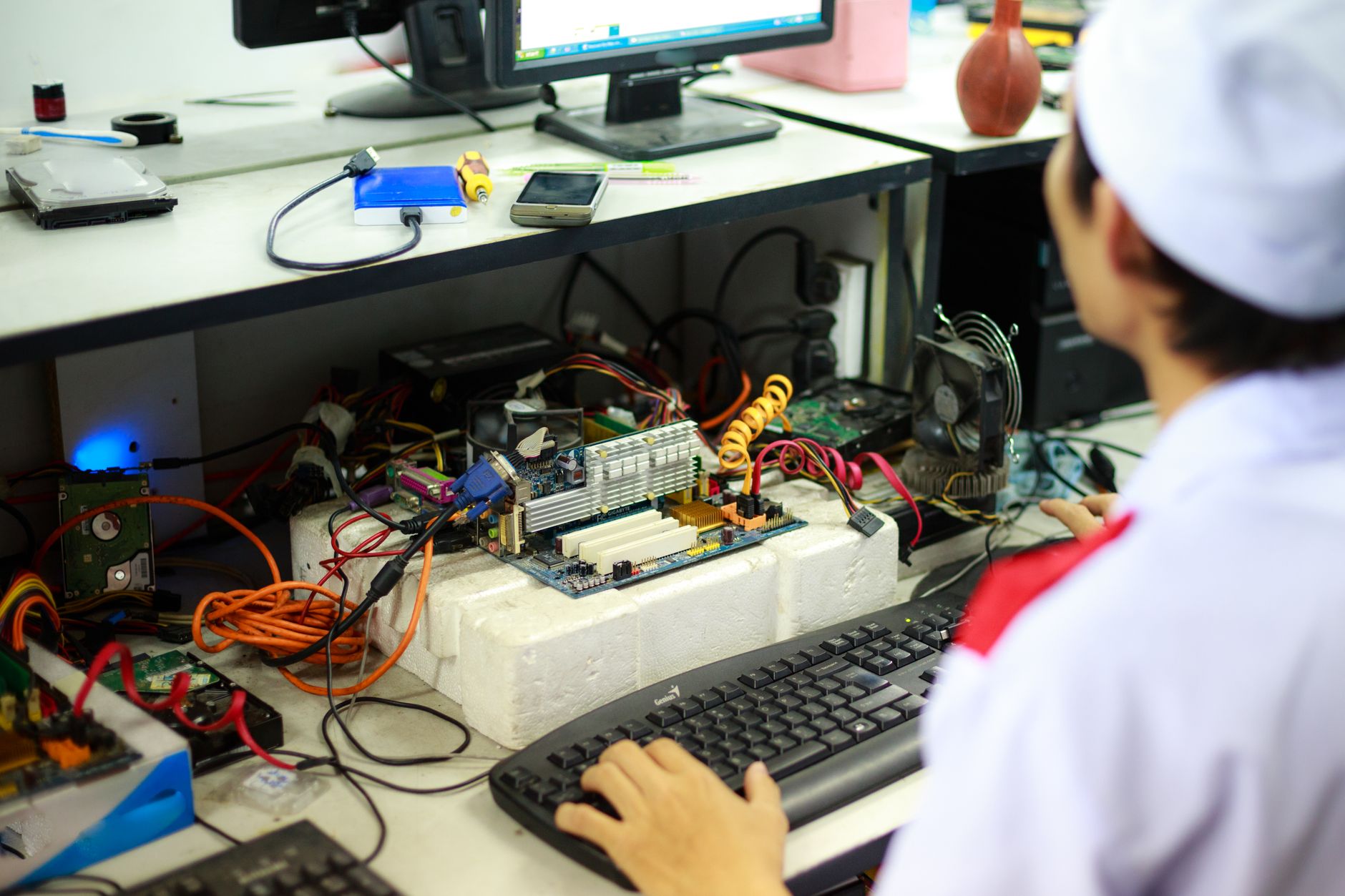
OpenAI joining the custom-silicon race signals that buying Nvidia chips alone is no longer enough for the largest AI players.
Designing in-house hardware gives these companies tighter control over cost, supply, and the specific needs of their models.
The trend also intensifies pressure on Nvidia, whose GPUs have powered most of the current AI boom so far.
The energy demands behind these chips are immense, a challenge we explored in NVIDIA AI data center cooling and its near-zero water system.
For now, Jalapeno remains in testing, and real-world performance will only be clear once chips ship at scale.
OpenAI’s hardware ambitions arrive amid intense competition and scrutiny across the sector, as seen in our coverage of major tech security news this year.
Related Articles
NVIDIA Liquid Cooling for AI Data Centers Cuts Water to Near Zero
Tata Electronics Cyber Attack Exposed Apple and Tesla Trade Secrets

Trust Post Desk
A journalist and editor at TrustPost.org covering world and national news, technology updates and human-interest stories. They check every fact, interview sources in person or online, and aim to deliver clear, accurate reporting. Their work ranges from breaking news to in-depth features and daily newsletters. Outside the newsroom, they follow emerging trends and engage with readers on social media.