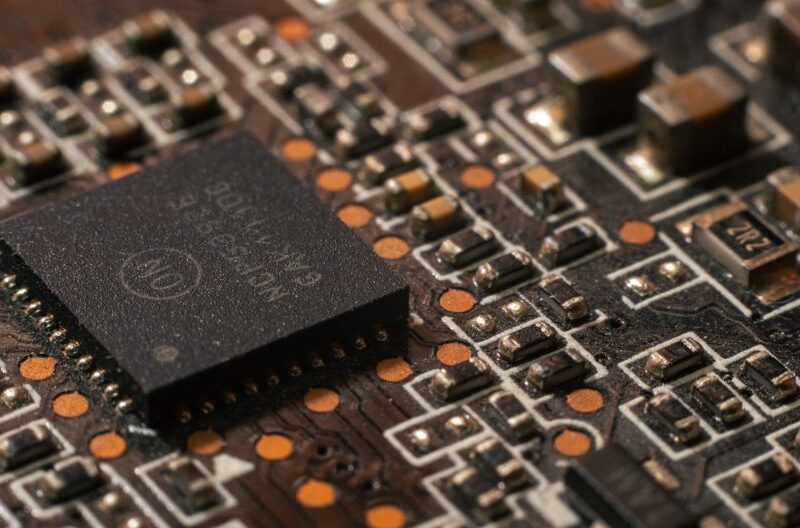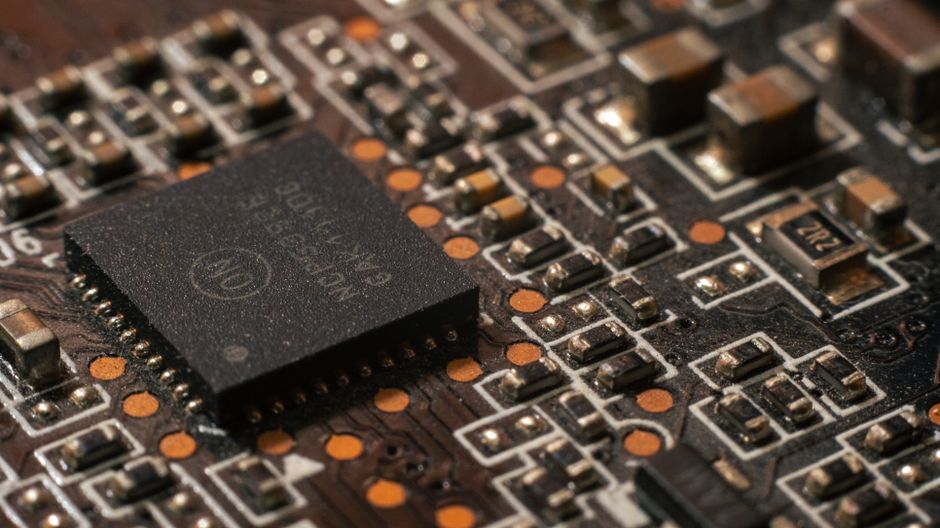
OpenAI and Broadcom unveiled Jalapeno on June 24, 2026, marking OpenAI’s first custom-designed AI chip. The Intelligence Processor, designed specifically for LLM inference, went from initial design to manufacturing tape-out in just nine months, believed to be the fastest ASIC development cycle in high-performance semiconductors. OpenAI announced that Jalapeno deployment will begin by year-end 2026, with expansion planned in subsequent years.
The Jalapeno chip represents a strategic shift: OpenAI is no longer entirely dependent on Nvidia for compute. By designing inference-specific processors, OpenAI can optimize power consumption, reduce latency, and control costs for running ChatGPT at scale. This move mirrors similar efforts by other major tech companies seeking alternatives to Nvidia’s expensive GPUs, reshaping the AI hardware market fundamentally.
The Chip Design and Capabilities
TechCrunch detailed that Jalapeno is a massive reticle-sized ASIC optimized for inference workloads. Inference, the computing process allowing ChatGPT to respond to user queries, differs fundamentally from training. Training requires high compute density and bandwidth. Inference requires lower latency and power efficiency. Jalapeno is architected around this distinction, making it fundamentally different from training chips like Nvidia H100s.
The development process reflects deep software-hardware co-development. OpenAI’s engineering teams worked alongside Broadcom’s silicon expertise. Notably, OpenAI used its own models to accelerate design and optimization, compressing what would typically be a two-three year development cycle into nine months. This recursive approach demonstrates the power of AI-augmented hardware design in practice.
The Partnership and Strategy
OpenAI and Broadcom are building a multi-generation compute platform together. Jalapeno is the first product, targeting inference at scale. AI chip competition continues as OpenAI, SpaceX, and others pursue custom silicon. The ultimate goal involves deploying gigawatt-scale data centers with Microsoft and partners beginning in 2026, requiring massive quantities of inference hardware worldwide.
This partnership matters because it validates Broadcom as a tier-one AI infrastructure provider. For years, Nvidia dominated, but Broadcom’s manufacturing expertise and OpenAI’s software insights combine into credible competition. The inference market is potentially enormous. As more users interact with ChatGPT daily, inference demand grows dramatically, justifying custom optimization and dedicated silicon.
Industry Impact and Timeline
If Jalapeno succeeds in production, it could reduce inference costs significantly. Custom silicon typically outperforms general-purpose GPUs on specific workloads. For OpenAI, cost reduction directly improves ChatGPT profitability. For customers, reduced inference costs could mean cheaper API pricing or more aggressive feature rollout. Understanding AI infrastructure economics shows why hardware optimization matters commercially.
The mid-2026 deployment target is ambitious. For context, most chip production follows longer timelines. Broadcom must build fabs, secure yield, and scale production while OpenAI integrates Jalapeno into production systems. Early 2027 is more realistic for meaningful volume, but even that timeline is aggressive for semiconductor manufacturing standards.
Competitive Landscape
Jalapeno enters a heating chip market. Nvidia still dominates, but Microsoft, Google, Meta, and others are designing custom chips. None have matched Jalapeno’s nine-month development speed or public announcement of production timelines. OpenAI’s ability to combine software and hardware expertise gives it an advantage that pure chipmakers cannot replicate without deep ML expertise.
Related Articles
Nvidia Alternatives: Custom AI Chips From Tech Giants

Trust Post Desk
A journalist and editor at TrustPost.org covering world and national news, technology updates and human-interest stories. They check every fact, interview sources in person or online, and aim to deliver clear, accurate reporting. Their work ranges from breaking news to in-depth features and daily newsletters. Outside the newsroom, they follow emerging trends and engage with readers on social media.