Refrigerant chemicals introduced to protect the ozone layer have created a significant global pollution problem, a new study warns.
Lancaster University researchers found these chemicals generate over 335,000 tonnes of a persistent forever chemical each year.
What the Refrigerant Ozone Pollution Study Found About Chemical Contamination
Hydrofluorocarbons, or HFCs, replaced ozone-destroying chlorofluorocarbons after the Montreal Protocol was adopted globally.
While HFCs do not deplete the ozone layer, they break down in the atmosphere into highly persistent chemicals.
The main breakdown product is trifluoroacetate, or TFA, which accumulates in water, soil, and arctic ice worldwide.
The Lancaster University study estimates HFC decomposition now produces over 335,000 tonnes of TFA-equivalent pollution annually.
Phys.org CFC replacement global forever chemical pollution research covered the full CFC replacement pollution findings with data on global TFA deposition patterns.
How Ozone Refrigerant Chemicals Create Atmospheric Pollution
When HFC refrigerant gases leak from air conditioners, refrigerators, and heat pumps, they enter the upper atmosphere.
Sunlight and hydroxyl radicals break down HFCs in the atmosphere, forming trifluoroacetic acid as a key byproduct.
TFA is highly chemically stable and accumulates over time in rain, lakes, rivers, and groundwater across the planet.
Researchers have detected TFA in drinking water sources, marine ecosystems, and Antarctic and Greenland ice cores.
Because HFC gases persist in the atmosphere for decades, TFA pollution is expected to keep rising significantly.
ScienceDaily TFA forever chemical rain study coverage covers the invisible TFA forever chemical rain that is now falling across the entire planet.
What This Refrigerant Study Means for Ozone and Climate Policy
The Kigali Amendment to the Montreal Protocol is phasing down HFCs in favor of next-generation HFO refrigerants.
HFO refrigerants were designed to break down faster in the atmosphere than older HFC gases, reducing warming impact.
However, the study warns that HFOs also decompose into TFA, potentially swapping one pollution source for another.
Researchers call for full toxicity studies on TFA accumulation before HFOs are deployed at global industrial scale.
The European Chemicals Agency is already reviewing TFA under its regulatory framework for persistent environmental pollutants.
What Consumers and Businesses Can Do About Refrigerant Ozone Chemicals
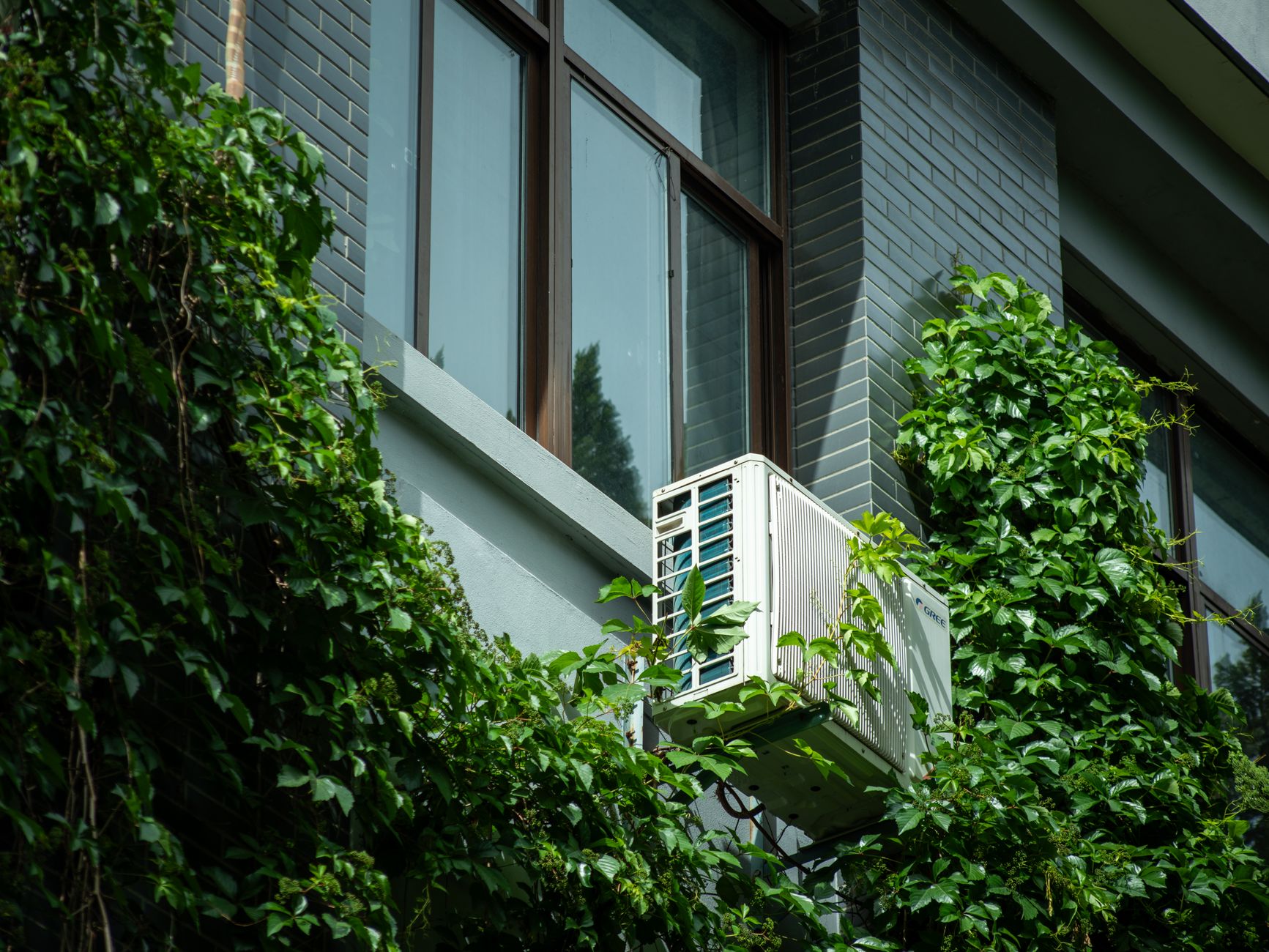
Consumers can reduce refrigerant leaks by having air conditioning and refrigeration equipment serviced and maintained regularly.
Recovering and recycling refrigerant during maintenance stops HFC gases from leaking into the atmosphere at all.
Businesses in cold chain logistics and industrial cooling should audit refrigerant use and install leak detection systems.
Natural refrigerants like CO2, ammonia, and propane have zero ozone impact and produce no TFA pollution byproducts.
Scientists say the ozone story shows that replacing one chemical class can create unexpected new long-term problems.
Industry groups are being called on to fund independent TFA toxicity research before next-generation refrigerants scale up.
AI tools like those in AI tools for tracking environmental research can help environmental researchers monitor new chemical pollution studies as they emerge.
For in-depth analysis of environmental chemistry topics, see our post on AI reasoning for climate and chemistry topics.
Related Articles
Claude Web Search: Real-Time Environmental Research Tool

Trust Post Desk
A journalist and editor at TrustPost.org covering world and national news, technology updates and human-interest stories. They check every fact, interview sources in person or online, and aim to deliver clear, accurate reporting. Their work ranges from breaking news to in-depth features and daily newsletters. Outside the newsroom, they follow emerging trends and engage with readers on social media.