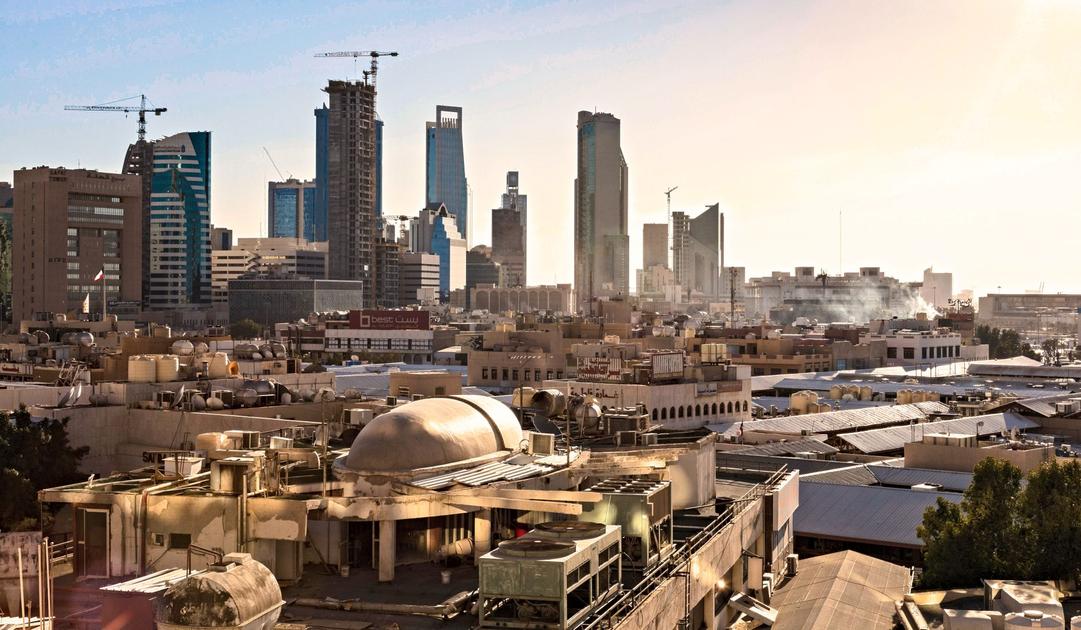
Saudi Arabia’s ambitious Vision 2030 economic transformation program, which aims to diversify the kingdom’s economy away from oil dependence through massive investments in tourism,
entertainment, industry, and technology, is facing its most severe test since the initiative was launched by Crown Prince Mohammed bin Salman in 2016.
For more context, see our coverage of Premier League 2025-26 Final Day.
Key Developments
The Iran war that began on February 28, 2026 has created a triple economic shock for the kingdom: Iranian retaliatory strikes targeting energy infrastructure,
ports, and airports that disrupted Saudi oil production and logistics; elevated defense spending to protect critical infrastructure and respond to Iranian drone and missile
attacks; and the diversion of government resources from Vision 2030 investment programs to conflict-related emergency expenditure.
Background and Context
For more context, see our coverage of Global Economy 2026 Outlook.
Saudi Arabia’s oil exports have fallen to approximately 60-70 percent of their pre-war levels, according to energy analysts tracking Persian Gulf tanker movements, even
as the higher global oil prices caused by the Hormuz disruption have partially offset the volume reduction in revenue terms.
What Experts Are Saying
Read also: Ukraine Launches Record Drone Attack on Moscow Oil Refinery.
For more context, see our coverage of Apple Becomes First $4 Trillion Company.
Related Articles
The fiscal impact of the Iran war has been severe enough that Saudi Arabia recorded its highest-ever quarterly budget deficit in the period encompassing
the most intense phase of the conflict.
Government spending increases driven by defense requirements and emergency support measures for disrupted economic sectors were compounded by the oil export volume reductions and
the cost of repairing or securing energy infrastructure that Iranian strikes had damaged or targeted.
Saudi Aramco, the world’s largest oil company and the primary engine of Saudi government revenues, has maintained operational continuity better than might have been
expected given the scale of the conflict, but the combination of production disruptions, logistics challenges, and the cost of enhanced security measures has affected
its profitability and dividend capacity in ways that reduce the fiscal transfer to the Saudi government. See also: Trump Approval Rating 36% Record Low
on Economy.
The Iran war’s impact on Vision 2030 projects is most visible in the tourism and entertainment sectors that Saudi Arabia has been investing heavily
to develop as part of its economic diversification drive.
The Red Sea Project, NEOM, and the multiple entertainment and cultural venues that have opened in Riyadh and other cities since 2019 were benefiting
from rapidly growing international tourist arrivals before the war dramatically reduced travel to the region.
International airlines reduced or suspended services to Saudi cities as the security environment deteriorated, and major international events and conferences that had been scheduled
for Saudi venues in the first half of 2026 were postponed or relocated.
The sports investments that Saudi Arabia has made – including hosting Formula One races, LIV Golf tournaments, Premier League football friendlies, and boxing world
championship bouts – were similarly disrupted, with several high-profile events rescheduled.
The June 14 ceasefire MOU and the anticipated reopening of Hormuz shipping offer a path toward normalization, but the recovery of Saudi tourism and
business travel volumes will take months to restore even after the security environment fully normalizes.
Despite the economic strains, Saudi Arabia’s strategic position in the post-conflict Middle East may ultimately be strengthened rather than weakened by the Iran war’s outcome.
The conflict has validated Saudi Arabia’s security relationship with the United States, whose military presence in the region was critical to the defense of
Saudi energy infrastructure from Iranian attacks, and demonstrated the continued importance of GCC states to American strategic interests in ways that may translate into
favorable terms in ongoing defense supply agreements and diplomatic support for Saudi ambitions.
The ceasefire’s terms – which remove the US naval blockade of Iranian ports and create a path toward Iranian oil sanctions relief – will
reintroduce Iranian oil supply to global markets, potentially reducing the oil price premium that has partially cushioned Saudi revenues during the conflict.
Saudi economic planners face the challenge of managing the transition from the conflict period back to a more competitive global oil market environment while
simultaneously resuming Vision 2030 investments that have been deferred or delayed.
Sources: Reuters – Ukraine | BBC News – Ukraine | NPR – Ukraine
Sources and Further Reading
Learn more at TechCrunch.
Learn more at The Verge.
Learn more at Wired.
Related Articles

Trust Post Desk
A journalist and editor at TrustPost.org covering world and national news, technology updates and human-interest stories. They check every fact, interview sources in person or online, and aim to deliver clear, accurate reporting. Their work ranges from breaking news to in-depth features and daily newsletters. Outside the newsroom, they follow emerging trends and engage with readers on social media.